What Are Code Violations in Real Estate? A Complete Guide for Huntsville Homeowners
Common Types of Code Violations Homeowners Run Into
A code violation means a house doesn’t meet local rules for safety or upkeep. In Huntsville, those rules are enforced by the city’s Community Development office. Most violations are ordinary: tall grass, junk in the yard, a vehicle that doesn’t run, a roof or porch that’s falling apart. Here’s what they mean when you own or sell a house here.
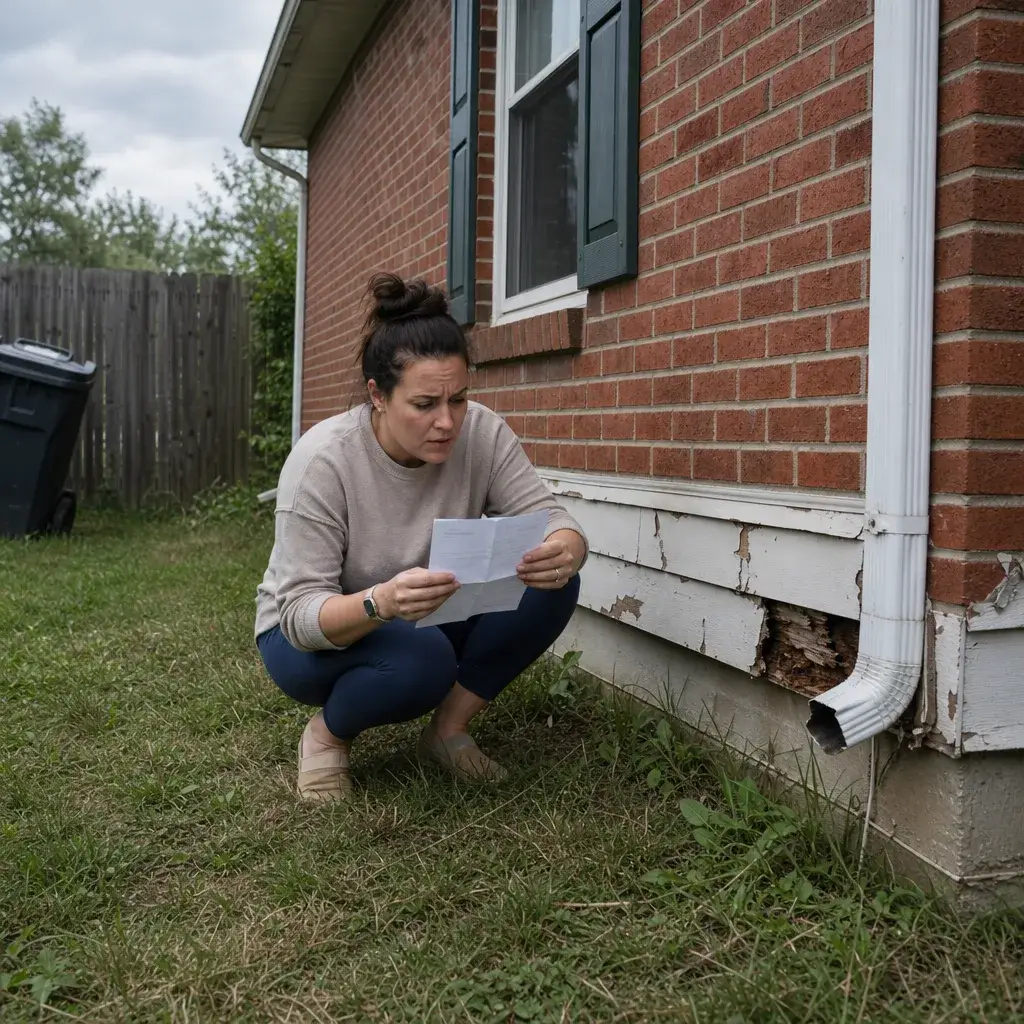
So what do inspectors flag? It usually starts outside, where anyone driving by can see it. Here are the exterior issues that show up most often:
- Tall grass, weeds, or overgrown brush in the yard
- Junk cars parked on the lawn or left sitting for months
- Trash, old furniture, or piles of debris outside
- Broken windows and doors that won’t lock
- A roof with holes, missing shingles, or sagging spots
These are the easiest problems to spot. They’re often the first thing a neighbor reports, too.
Inside problems are a different story. They’re harder to see but often more serious. Think rotted floor joists. Foundation cracks that keep growing. Stairs with no handrails, or a porch that feels soft under your feet.
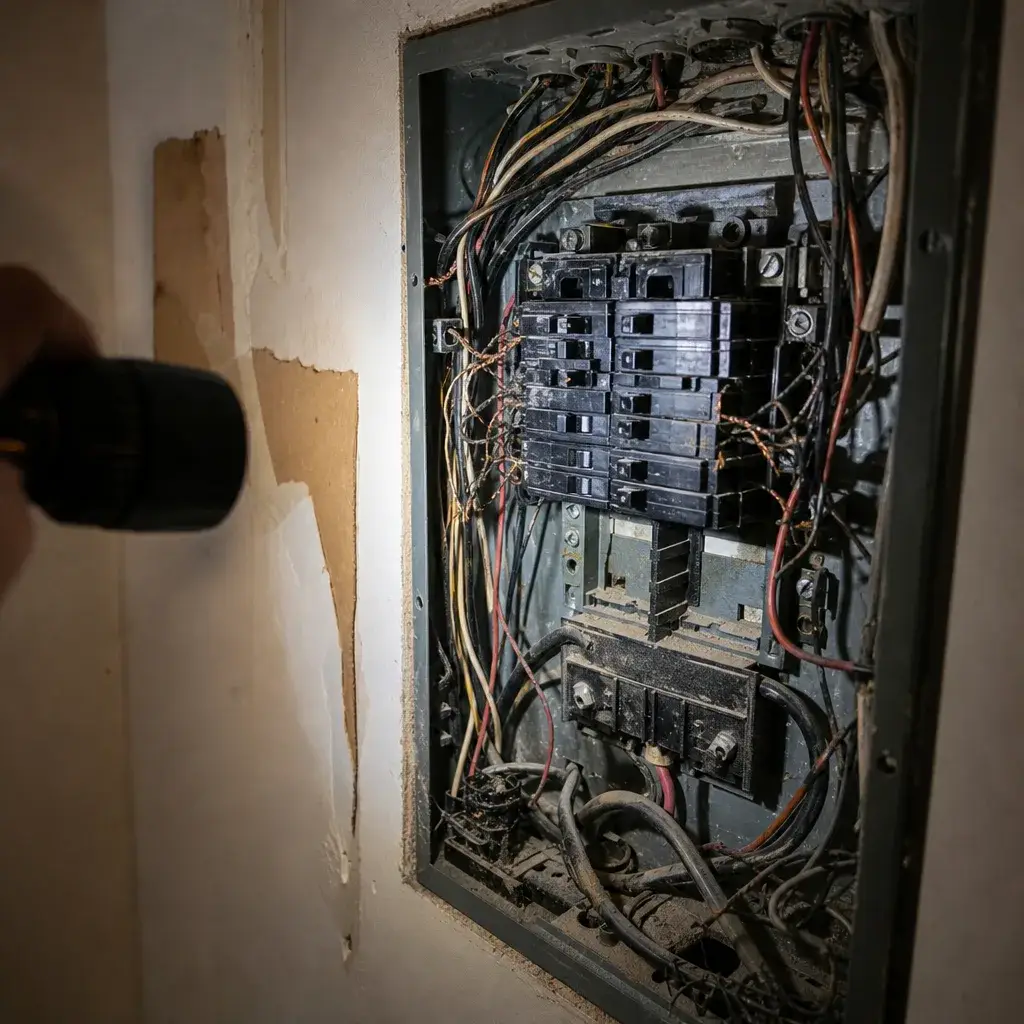
Electrical and plumbing issues come up a lot in older homes. Many houses in Five Points and Blossomwood were built decades ago. Some still have outdated wiring that can’t handle how we use power today. Leaky pipes and broken water heaters show up often. And missing smoke detectors are an easy catch for any inspector.
Huntsville’s humid summers don’t help. Moisture can spread fast in a house that’s been shut up. We’ve walked into homes where a small roof leak turned into a rotted ceiling in one season.
Then there’s work done without a permit. This one surprises people. Maybe a past owner closed in the garage or added a bathroom. Maybe they rewired a room on their own. If nobody pulled a permit, the city can treat it as a violation, even if you didn’t do the work yourself.
This comes up often with inherited houses. The new owner had no idea Grandpa built that back deck himself. But the notice still lands in their mailbox.
Vacant houses get their own set of problems. Open doors, broken glass, and squatters can all lead to notices. A house that sits empty for a few months can pick up several violations at once.
One seller we worked with got a notice for tall grass. By the time she called us, the list had grown to five items. None of it was her fault. She’d been caring for her mom across town and just couldn’t keep up.
Most violations can be fixed, but not every owner has the time or money to fix them.
Here’s the good news. You don’t always have to make the repairs yourself. We buy code violation properties in Huntsville as-is. That means you can skip the repair list and move on.
How to Check If a Property Has Code Violations
Not sure if your house has an open violation? You’re not alone. Many owners don’t find out until a buyer’s lender flags it or a letter shows up in the mailbox. The good news is that checking is easier than most people think. And you don’t need a lawyer to get started.
Most code records in Huntsville live with the city. Liens tied to unpaid fines or city cleanup work usually get recorded with Madison County. So you’ll want to look in both places. Here’s the order we follow when we check a property ourselves.
- Check your mail and paperwork first. Look for any notice from the City of Huntsville about grass, junk, unsafe structures, or repairs. Notices often list a case number and a deadline.
- Call the city’s code enforcement office. Give them the property address and ask if there are any open cases. Ask what each one is for and whether a reinspection is scheduled.
- Ask about permits too. Work done without a permit can turn into a violation later. The city’s inspection office can tell you if past work was ever permitted and closed out.
- Search county records for liens. The Madison County Probate Office keeps real property records. A lien from unpaid code fines or city mowing charges can show up there.
- Walk the property with fresh eyes. Note anything a code officer might flag, like a sagging roof, broken windows, overgrown yards, or open junk piles.
- Get it in writing. Ask the city for a written summary of any open cases. That paper is what buyers and title companies will want to see.
That last step matters more than people expect.
This happens more than you’d think. An owner says the city told them over the phone that everything was fine, then a title search turns up an old lien from years back. Verbal answers help, but written records are what count at closing.
Here’s a quick example. A woman in north Huntsville called us about her late father’s house. She’d been paying the taxes but hadn’t visited much. When we checked, there were two open cases for an unsafe carport and an overgrown lot, plus a small mowing lien. She had no idea. But once she had the full list, she could finally decide what to do next, fix it or sell it as it stood.
Some owners choose to make the repairs and close out each case. Others don’t have the time, money, or energy for that. Code violation property buying in Huntsville gives those owners a way to sell without fixing anything first. A cash buyer takes on the open cases and handles the work after closing.
What if you can’t figure out the records on your own? That’s okay, it happens a lot. City offices can be busy, and the terms on a notice can be confusing. We’ve walked plenty of local owners through this process.
Either way, knowing what you’re dealing with takes a lot of the fear out of it.
How the Code Enforcement Process Usually Works
Most people picture a city inspector showing up out of nowhere. That’s rarely how it starts. In Huntsville, the code enforcement process usually begins with a phone call from someone nearby.
A neighbor reports tall grass. A passerby notices a broken window on a vacant house. Sometimes an inspector spots a problem while working another case on the same street. And once a report is made, the city has to follow up.
The exact steps can vary by case. But the general path looks a lot like this:
- Complaint or observation. Someone reports the issue, or an inspector sees it firsthand.
- Inspection. A code officer visits the property and checks it from the outside. They may take photos for the file.
- Notice of violation. You get a written notice that explains the problem. It usually gives you a deadline to fix it.
- Re-inspection. After the deadline, the inspector comes back to see if the work is done.
- Escalation. If it’s still not fixed, things get more serious. That can mean fines or a court date. In some cases the city may handle the cleanup itself and bill the owner.
Step five is where most of the stress comes from. Unpaid charges can turn into a lien on the property. A lien follows the house, it doesn’t go away when you try to sell.
So what happens if you just ignore the notice?
Nothing good. It’s a pattern we see often: owners set the letter aside because they feel overwhelmed. Then a second notice shows up, and the problem is bigger than before.
Here’s a real example. We worked with a family who inherited a house off Pulaski Pike. Nobody had lived there for almost two years. The yard was overgrown and part of the back fence had fallen. They got a notice, then a second one, then a letter about fines. They lived out of state and couldn’t manage repairs from far away. Every month they waited cost them a little more.
That’s a common story. The hardest part isn’t usually the violation itself. It’s the time, distance, and money it takes to fix it.
The good news? You have more options than you might think.
You can fix the issue yourself and pass re-inspection. You can ask the city for more time if you’re making real progress. Or you can sell the house as it is. Code violations don’t stop a sale. They just make a regular buyer with a bank loan much less likely to say yes.
One last thing most people don’t realize. The clock starts the day the notice is issued, not the day you finally open it. Acting early gives you the most choices.
See how we buy houses with code violations in Huntsville. Related guides: Why Code Enforcement Comes to Your House · Buying a House With Code Violations
What Happens to a Violation That Isn't Fixed
In the City of Huntsville, the process starts with a notice. For grass, that’s 14 days to cut it. If the owner doesn’t fix the problem, the city can do the work and place a lien on the property, with City Council approval. That lien stays with the house and gets paid at closing when you sell. The city also publishes a list of properties with active unsafe-building notices.
An open violation doesn’t stop a cash sale. We buy houses with code problems as-is, and our closing attorney handles any liens at closing. See how we buy houses with code violations.
Frequently Asked Questions
A building code violation means a property does not meet a city or county safety or construction rule. In Huntsville, this covers things like broken windows, bad wiring, missing permits, or an overgrown yard. The city sends a notice when an inspector spots a problem, usually with a deadline to fix it. Knowing what caused the notice helps you decide whether to repair it or sell the house as it stands.
Usually not. Most cities, including Huntsville, keep complaint sources private to protect neighbors who report problems. What you can do is call the code enforcement office and ask about the open case itself, including what was flagged and the deadline to fix it. Focusing on the fix, rather than who reported it, gets you to a solution faster.
Code enforcement checks properties for safety and maintenance problems and makes sure owners fix them. In Huntsville, this means inspecting yards, structures, and sometimes permits after a complaint or routine drive-by. They issue notices, set deadlines, and can place a lien on a property if fines go unpaid. Their goal is keeping neighborhoods safe, not punishing owners who are already trying to catch up.
Older homes often have outdated wiring, aging roofs, and plumbing that no longer meets current code. Neighborhoods like Five Points and Blossomwood have many houses built decades ago, so issues like old electrical panels or leaky pipes show up more often. Humid Huntsville summers can also speed up damage, turning a small roof leak into a rotted ceiling in one season. This is why inspectors flag these homes more frequently.
Yes, this happens often with inherited or older homes. If a past owner added a room or rewired a space without a permit, the city can still issue a violation to whoever owns the property now. This surprises a lot of new owners, especially with inherited houses. If this happens to you, checking records under past owners’ names can help you understand what you’re dealing with.
You can repair the issues yourself, hire someone to handle it, or sell the property as-is. Not every owner has the time, money, or energy to manage a repair list, especially with inherited or vacant houses. Code violation property buying in Huntsville lets you skip the repair work and sell the house in its current condition, with the buyer handling the open cases after closing.
- We Buy Houses As-Is
- Locally Owned and Operated
- 30 Years Buying Houses in Madison County
- Fair Cash Offers, No Obligation
Related Help for Huntsville Homeowners
If this sounds like your situation, these pages can help:
- We buy houses with code violations in Huntsville
- Why Would Code Enforcement Come to Your House in Huntsville? Top Reasons
- Can You Buy a House With Code Violations in Huntsville? (2026 Guide)
- How to Fight a Code Enforcement Violation in Huntsville, AL (2026)
- Why Do Vacant Houses Deteriorate So Quickly? A Huntsville Owner’s Guide (2026)
- How our home buying process works
Get My Cash Offer.
Selling a house with open violations? Jason has bought houses in Madison County for 30 years, including vacant, inherited, probate and pre-foreclosure houses and houses with open code violations. After he views your house, you get a written cash offer within 24 hours of our visit. If it’s late, we pay you $250. We pay all closing costs, and a local closing attorney handles the closing. Call 256-858-7464 or request your offer below.