Why Do Houses Deteriorate So Quickly When Left Vacant? A Huntsville Owner's Guide
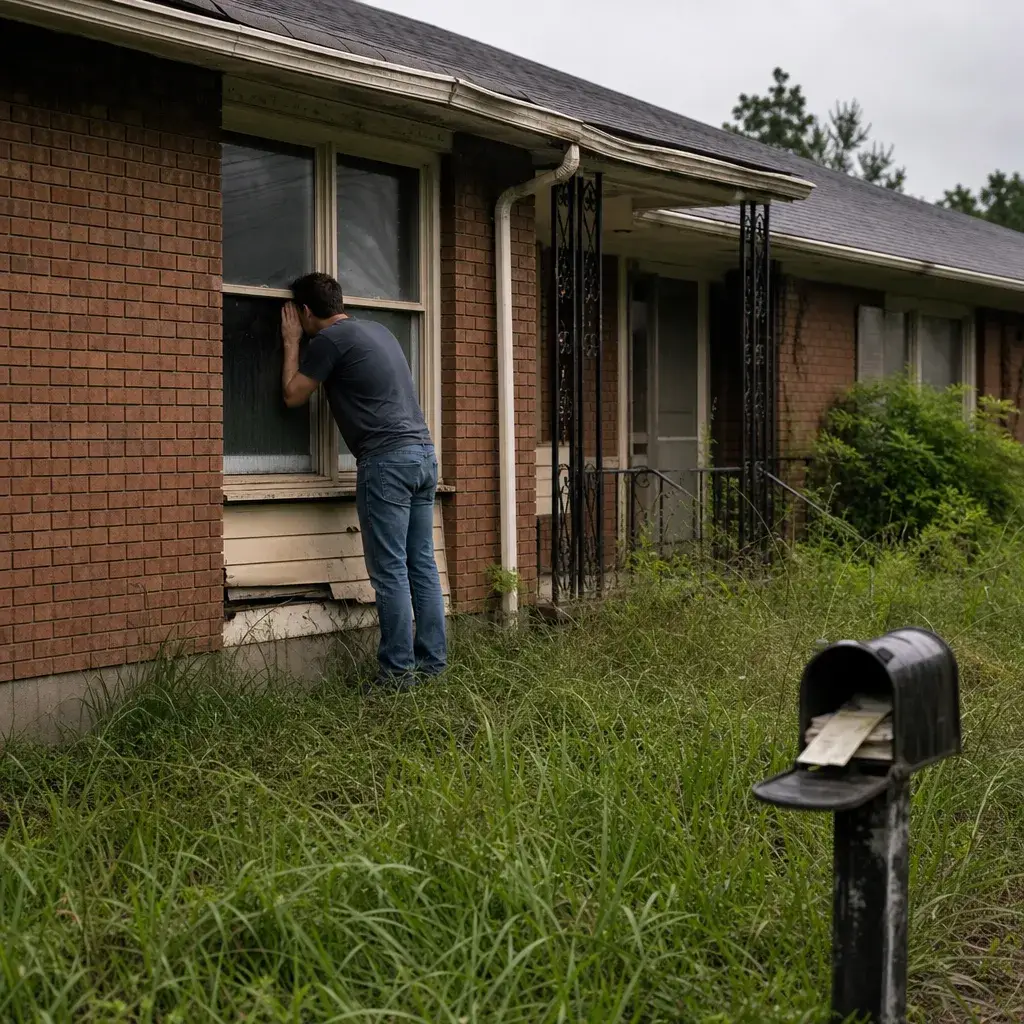
Vacancy Is Not Neutral - It Is an Active Process
An empty house in Huntsville doesn’t just sit there. Summer humidity, spring storms and grass that grows past the city’s 8-inch limit all go to work on it, and nobody’s there to notice. I’ve been buying houses in Madison County for 30 years, and the vacant ones always need more work than the owner expects.
Think about what happens when you live in a house. You see a drip under the sink. You smell something odd in the hall closet. You hear a weird noise from the attic during a storm. You fix it, or at least you call someone.
Take the people out and all of that stops.
Nobody’s there to spot the problem. So a small issue gets weeks or months to grow. A tiny roof leak turns into a soft ceiling. A slow drip becomes a rotted subfloor. We see this all the time when we walk through empty homes around Huntsville, and it’s rarely one big disaster. It’s usually a dozen little things that nobody caught.
Here’s what keeps working on a house after everyone leaves:
- Humid air settles in, especially with the AC off during a long Alabama summer
- Mold starts on drywall, carpet pad, and the backs of cabinets
- Mice, roaches, and squirrels move into a quiet house with no one bothering them
- Pipes and fixtures dry out, so seals crack and traps let sewer gas through
- Gutters clog with leaves, and rain spills toward the foundation
None of these need a person to get started. They just need time. And an empty house gives them plenty of it.
Huntsville’s weather speeds things up. Our summers are hot and sticky, and spring storms can dump heavy rain in a single afternoon. A closed-up house traps that moisture inside. Without air moving through, the damp just sits. Ever opened a house that’s been shut for a few months in July? You can smell it before you see anything.
We worked with a family in South Huntsville a while back. Their mom moved into assisted living, and the house sat empty for about eight months. They checked on it now and then from the driveway. It looked fine from outside. But inside, a toilet supply line had been seeping the whole time, the bathroom floor was soft and the hall carpet had mold underneath. Nobody did anything wrong. They just weren’t there to see it.
That’s the part most owners don’t realize until they finally open the door.
Vacancy is an active process. It’s not a pause button. Every month a house sits empty, the list of repairs gets a little longer and a little harder to reverse. Some of it, like a dirty filter, is cheap and easy. Some of it reaches into the framing and the foundation, and that’s a different conversation –
If you’re holding onto an empty house right now, you’re not alone. Lots of Huntsville owners end up here after an inheritance, a move, or a rental that didn’t work out. You have options. One of them is selling the house as-is, without fixing a thing first.
Why Do Vacant Houses Deteriorate? The Top Causes
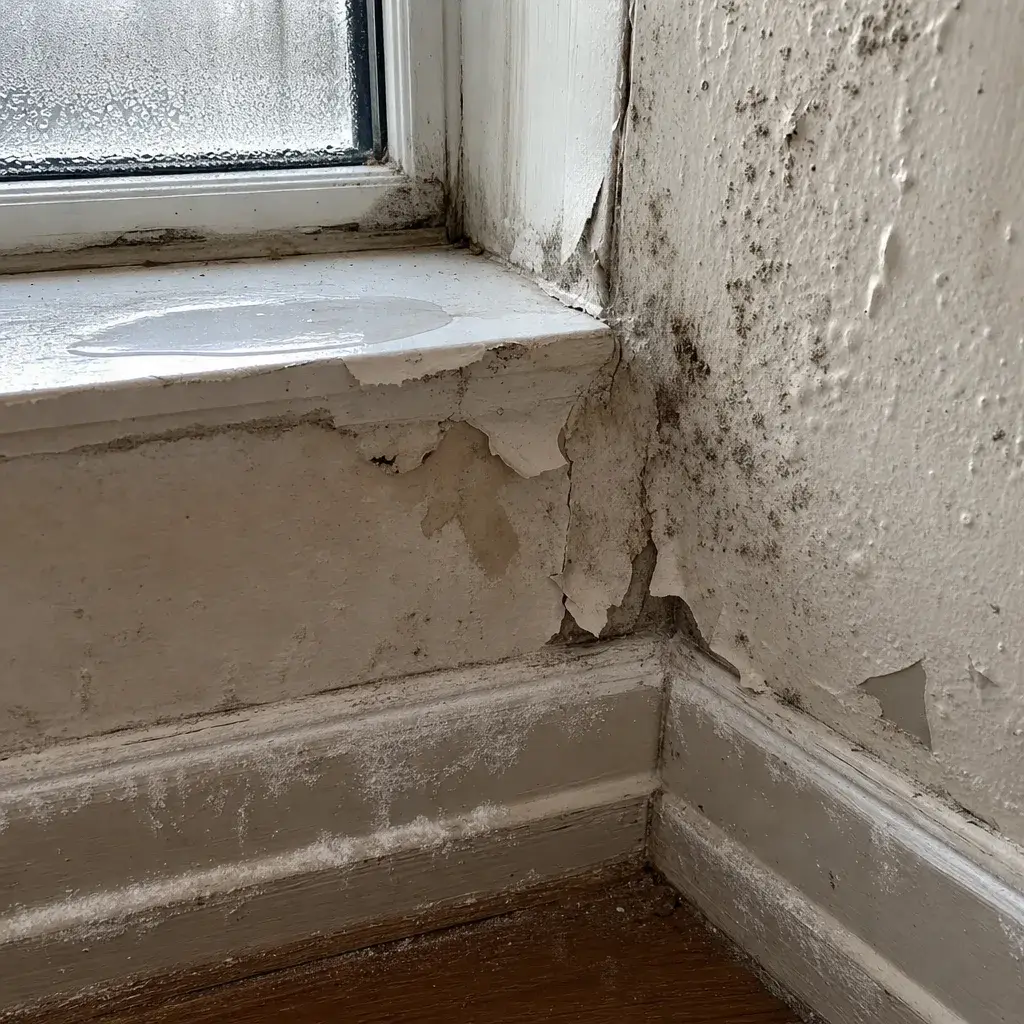
Most of the damage in an empty house starts small. A drip under a sink. A gap in the window trim. A little damp air that never moves. And with nobody there to notice, small turns into big fast.
We’ve walked through a lot of vacant houses around Huntsville. The same few problems show up almost every time. Here’s what usually does the most harm.
- Humidity with no AC running. Our summers are muggy, and trapped moisture feeds mold on walls and carpet.
- Slow plumbing leaks that nobody spots until the subfloor goes soft.
- Roof and gutter trouble after spring storms push water under old shingles.
- Mice, roaches, and termites settling into a quiet house where nothing bothers them.
- Frozen pipes during a January cold snap when the heat’s been shut off.
- Break-ins and copper theft once the place clearly looks empty.
Notice a pattern? Almost every item comes back to water or neglect.
Water’s the big one. Madison County gets plenty of rain, and the red clay soil here holds moisture right against foundations. In a lived-in home, you’d see a stain and call a plumber. In an empty one, that same leak can run for a month. By then it’s soaked the drywall and warped the floors. Mold starts growing behind the baseboards, and the smell alone –
One family we worked with near Five Points left their mom’s house closed up after she moved into assisted living. They checked on it every few weeks. It always looked fine from the porch. But a supply line under the kitchen sink had cracked. When they finally opened that cabinet, the floor underneath had rotted clean through.
Nobody did anything wrong, the house just had no one living in it.
Heat does quieter damage. A shut-up house in August gets hot inside. Paint peels. Caulk shrinks and cracks. Wood swells in the damp, then dries and splits. So the gaps that let in water and bugs keep getting wider.
Then there’s the outside. Tall grass and a stuffed mailbox tell everyone the house is empty. That’s an open invitation for squatters and thieves. We see stripped copper and kicked-in back doors more often than you’d think, especially on quiet streets in older parts of town.
Most owners don’t realize how fast this stacks up. Each problem makes the next one worse. A small roof leak brings in moisture. Moisture draws termites. Termites weaken the wood around the leak. Before long, a simple fix becomes a major repair job.
If you’re watching these problems pile up, knowing how to sell a vacant house fast in Huntsville can take a lot of weight off your shoulders. You don’t have to fix every leak or chase every pest first.
Signs a Vacant Property Has Already Crossed the Line
Some vacant houses just need a good cleaning. Others have quietly crossed a line. Knowing which one you’ve got changes your next step.
We walk through empty houses all over Huntsville. After a while, you learn what to look for. Most warning signs aren’t loud. They’re small clues that point to bigger trouble behind the walls.
So how do you know if it’s past the point of a weekend cleanup? Here’s what tells us a vacant house has moved beyond simple upkeep. If you spot two or more, the damage is likely spreading.
- A musty smell that hits you the second the front door opens
- Dark spots or fuzzy growth on drywall, ceilings, or under sinks
- Floors that feel soft or sag near the bathroom or kitchen
- Droppings, chewed wires, or nests up in the attic or crawl space
- Ceiling stains or bubbling paint after one of our summer storms
- A notice from the city taped to the door
None of these fix themselves. And in a house nobody’s checking, each one feeds the next.
Huntsville’s humid summers are hard on a closed-up house. With no AC running, moisture just sits there. The EPA says mold can start growing on wet materials within 24 to 48 hours. The longer the house stays shut, the faster it spreads.
Last spring we looked at a brick ranch near Five Points. The owner’s mom had passed, and the house sat empty for about eight months. From the street it looked fine. But a slow leak under the kitchen sink had soaked the subfloor. The cabinets were swollen. Mold had crept up the back wall. And the smell in that basement –
A plumber’s quick fix would’ve handled it in month one. By month eight, it was a much bigger job.
Pests are another big tell. Mice and squirrels love a quiet house. Once they’re inside, they chew wiring and tear up insulation. That’s a fire risk, not just a mess.
Then there’s the outside. Tall grass and broken windows draw attention fast. Neighbors call the city, a code violation notice shows up on the door. Now you’ve got deadlines stacked on top of everything else.
Most people don’t realize how far things have gone until they walk in after a few months away. We hear it all the time. “It wasn’t like this when I locked up.” Totally normal.
Here’s the good news: crossing the line doesn’t mean you’ve run out of options.
You can still pour money into repairs. Listing with an agent is another path, though buyers often balk at mold or pest damage. Or you can sell the house as-is to a local buyer who already expects the work.
That last one is what we do. We buy vacant houses and houses needing major repairs across Huntsville and Madison County. Mold, roof leaks, open code violations. We’ve seen it. No cleaning. No repairs. Just a fair cash offer with no obligation to take it.
See how we buy vacant houses in Huntsville. Related guides: Vacant House Insurance Costs · How to Prove a Property Is Vacant
What a Vacant House Costs You in Huntsville
In the City of Huntsville, a vacant house still has to meet city code. Community Development enforces the rules, and neighbors can report a problem by calling 256-427-5400 or using the Huntsville Connect app. Grass and weeds have to stay under 8 inches. If they don’t, the owner gets a 14-day notice, and the city can cut the grass and bill the owner. Junk, litter and unsafe buildings are cited the same way. If an owner doesn’t fix a problem, the city can fix it and put a lien on the property.
If you live out of town or inherited the house, that adds up fast. That’s the situation we see most. See how we buy vacant houses in Huntsville.
Frequently Asked Questions
Empty houses deteriorate fast because nobody is there to catch small problems early. A drip, a crack, or a musty smell gets days or weeks to grow before anyone notices. Moisture, heat, and pests keep working on the house every day it sits empty. In Huntsville’s humid climate, that hidden damage can turn a small leak into a rotted floor within months. Living in a home means someone spots trouble right away. An empty one has no one watching.
Not usually, and waiting often makes selling harder, not easier. Buyers can sense when a house has sat vacant, since small issues pile up and show in the walls, floors, and smell. The longer a Huntsville house sits empty, the more repairs stack up before it’s ready for market. Selling sooner, even as-is, can save you from watching damage grow. If you’re weighing your choices, selling a vacant house fast in Huntsville is worth exploring before more decay sets in.
Huntsville’s hot, humid summers and heavy spring storms speed up decay in empty houses. Without air conditioning running, trapped moisture feeds mold on drywall, carpet, and cabinets. Heavy rain can slip past clogged gutters and settle near the foundation in the area’s red clay soil. Winter cold snaps also risk frozen pipes if the heat gets shut off. This mix of heat, humidity, and storms means vacant homes here can decline faster than in drier climates.
Serious damage can start within just a few months, especially with a hidden leak or no climate control. We’ve seen Huntsville houses sit empty for under a year and develop soft floors, mold, and pest problems that looked like nothing from the outside. The timeline depends on the house, but water and humidity are usually the fastest movers. Checking the exterior from the driveway isn’t enough. The real damage is often inside, out of sight, until someone opens the door.
Yes, that’s one of the biggest misconceptions owners have. A tidy lawn and clean porch tell you nothing about what’s happening behind the walls. Leaks, mold, and pest damage often build quietly inside while the outside looks untouched. We’ve walked into Huntsville homes that seemed perfectly fine from the street, only to find rotted subfloors or mold-covered baseboards inside. Checking in from the driveway isn’t enough to catch what’s really going on.
Call a professional once you notice soft floors, a musty smell, visible mold, or signs of pest activity. Small fixes like changing a filter or clearing gutters are fine to handle yourself. But damage that reaches the subfloor, framing, or foundation needs an expert opinion. If repairs feel bigger than expected, or the house has sat empty for months, it may be time to look at selling instead of restoring. That’s where exploring options for a vacant house in Huntsville can help you decide what makes sense.
- We Buy Houses As-Is
- Locally Owned and Operated
- 30 Years Buying Houses in Madison County
- Fair Cash Offers, No Obligation
Related Help for Huntsville Homeowners
If this sounds like your situation, these pages can help:
- We buy vacant houses in Huntsville
- Does Homeowners Insurance Cost More for Vacant Houses in 2026? A Huntsville Owner’s Guide
- How to Prove a Property Is Legally Vacant in Huntsville, AL (2026 Guide)
- What Happens If You Don’t Fix a Code Violation in Huntsville, AL?
- How our home buying process works
- Vacant House in Huntsville: The Costs That Pile Up Every Month
Get My Cash Offer.
Tired of paying for a house nobody lives in? Jason has bought houses in Madison County for 30 years, including vacant, inherited, probate and pre-foreclosure houses and houses with open code violations. After he views your house, you get a written cash offer within 24 hours of our visit. If it’s late, we pay you $250. We pay all closing costs, and a local closing attorney handles the closing. Call 256-858-7464 or request your offer below.