Why Code Enforcement Might Show Up at Your Huntsville Home, and What It Means for Selling
What Code Enforcement Does
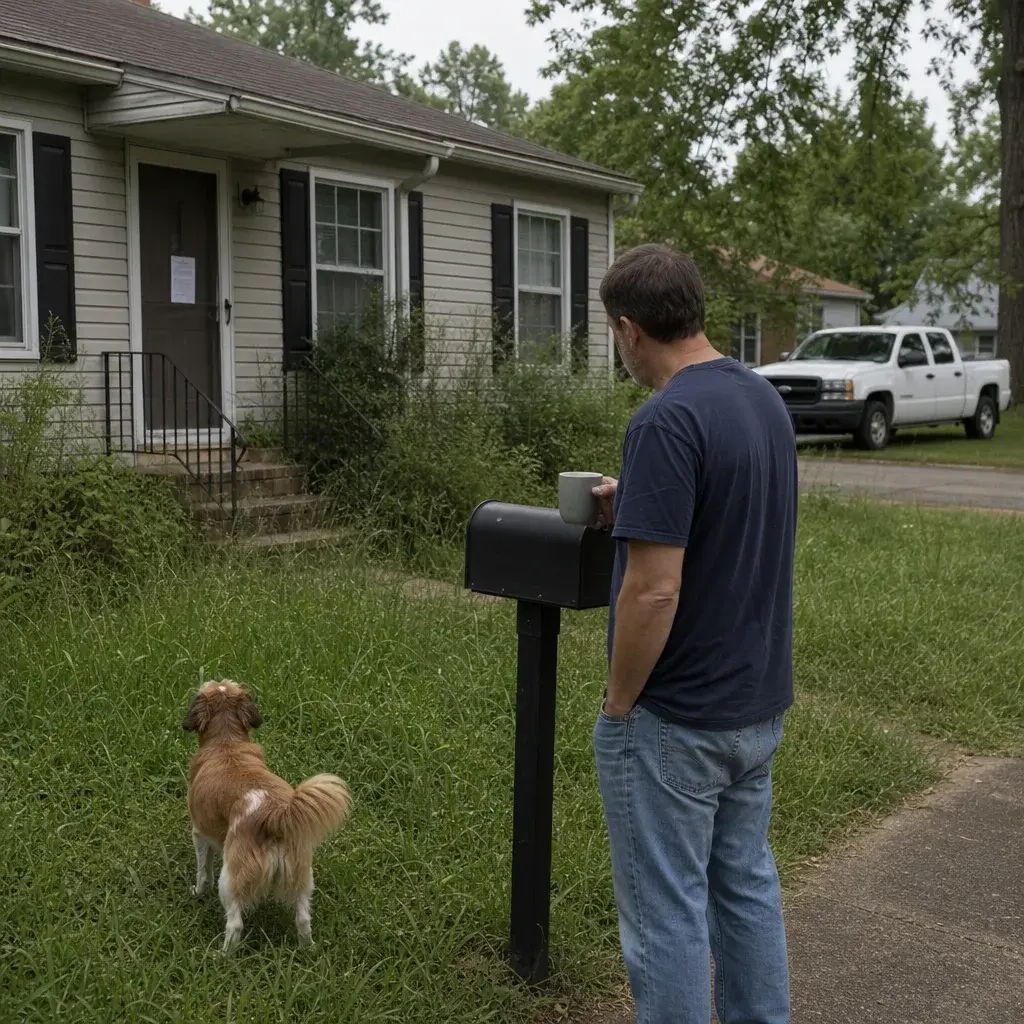
In Huntsville, code enforcement usually shows up for one of two reasons: an inspector spotted something, or a neighbor reported it. Neighbors can report by calling 256-427-5400 or through the Huntsville Connect app. It’s not the police, and a notice doesn’t mean you’re in deep trouble. It does mean you’re on a clock.
Their job is pretty simple. They check that properties follow the city’s rules on safety, health, and basic upkeep. In Huntsville, those rules cover the outside of your home, your yard, and anything that could hurt neighbors or drag down the street.
So how do they pick your house? Usually they don’t. Most visits start with a complaint. A neighbor calls about tall grass, or someone reports a car that hasn’t moved in months. Officers also notice problems while driving through an area for another call.
Here’s what they’re usually looking for when they come out:
- Overgrown grass, weeds, or brush that’s gotten out of hand
- Junk cars, trash piles, or old furniture sitting in the yard
- Broken windows, sagging roofs, or holes that let pests inside
- Empty houses left open or easy to break into
- Work done without the right permits
That’s the short version. Some cases are quick fixes, like mowing the lawn. Others involve a house that’s become unsafe to live in.
Once an officer spots a problem, they write it down and take photos. In most cases they work from the street or other public areas. Then you’ll get a written notice. It tells you what’s wrong and how long you have to fix it. After that deadline passes, they come back to check.
Fix it in time, and the case usually closes. That’s it.
And if you don’t? That’s when things get harder. Fines can start adding up. The city may hire someone to clean up the property and bill you for it. Unpaid costs can sometimes turn into a lien on the house. A lien can make selling or refinancing a real headache –
We’ve talked with a lot of Huntsville homeowners who froze up after getting that first letter. One woman near Five Points had inherited her mom’s house. She lived two hours away and didn’t know the yard had gone wild. The notice sat in a pile of mail for weeks, the deadline passed before she ever opened it. By the time she called us, she was dealing with fines on top of the cleanup.
Her story isn’t rare. Most people don’t ignore these notices on purpose. Life just gets in the way. A job change. A death in the family. Not enough money for a new roof.
The thing to remember is that officers want the problem solved. They’re often willing to talk if you call and explain what’s going on. Asking for a little more time is common, and many officers will work with you if you show you’re trying.
But sometimes fixing the problem just isn’t realistic. Maybe the repairs cost more than you can handle. Maybe you don’t want the house at all anymore. That’s a real option too, and it’s one we help Huntsville families with every week.
Common Reasons a Code Officer Visits a Property
Most code visits don’t come out of nowhere. Usually a neighbor calls the city about something they can see from the street. Sometimes an officer notices it while working in the area. Either way, the reasons tend to fall into a short list.
Here’s what we run into most often with Huntsville homeowners:
- Tall grass and weeds that have gotten out of hand
- Trash, junk, or old furniture piled in the yard or carport
- Cars that don’t run, sitting on blocks or with expired tags
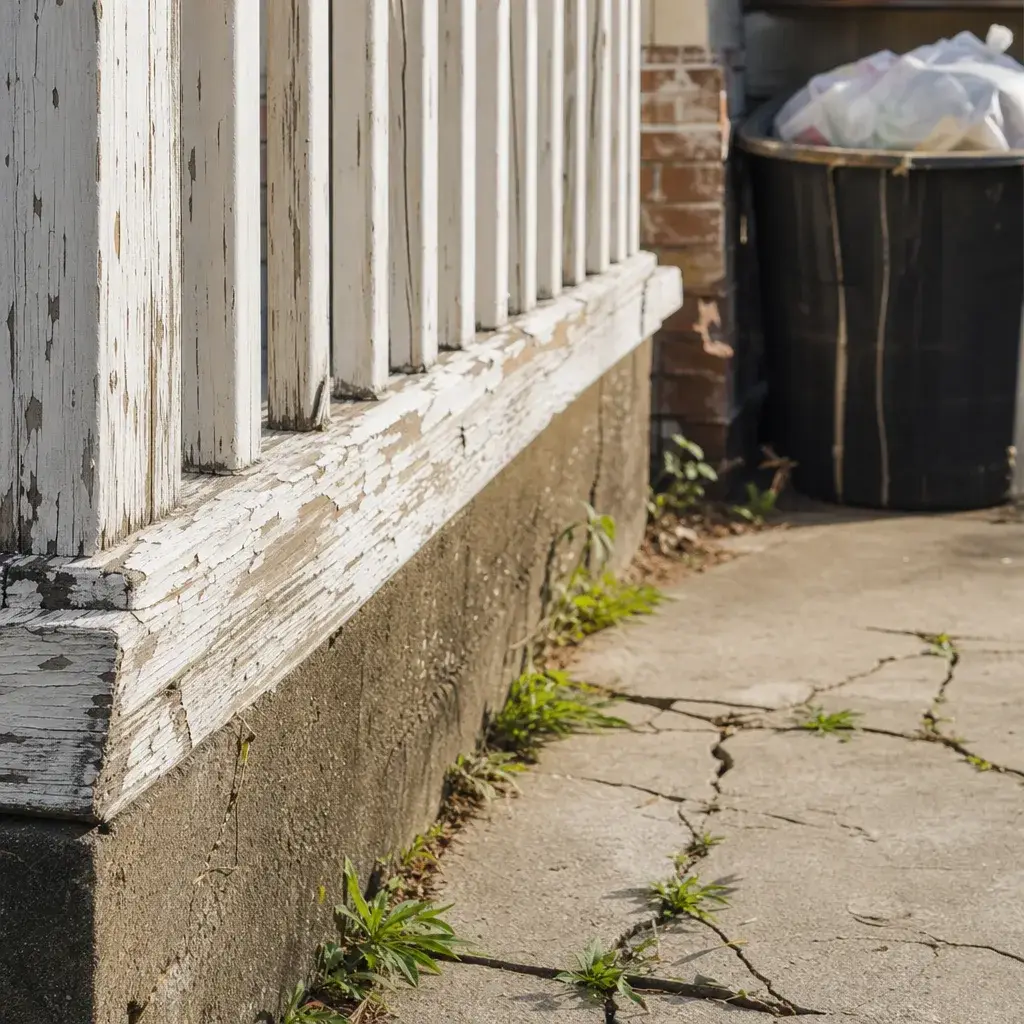
- Broken windows, a sagging roof, or a porch that’s rotting away
- An empty house left open to animals or people who shouldn’t be there
- Work done without a permit, like an added room or a new deck
Overgrown yards top the list by a wide margin. Huntsville summers are hot and wet, grass can shoot up in two weeks. Miss a few mowings in June and the yard looks abandoned. That’s often all it takes for a complaint.
Junk and inoperable vehicles come next. People don’t always see it as a problem. A truck you plan to fix someday looks like an eyesore to the house next door. And once one neighbor calls, the officer looks at the whole property.
So a visit about tall grass can turn into notes on the gutters, the shed, and the broken fence.
Structure problems are the more serious kind. A leaning carport or a hole in the roof can be a safety risk. Older homes near Five Points and in north Huntsville see this more, mostly because the houses have more years on them. Storms don’t help either. One bad spring wind can peel shingles right off.
Vacant houses get extra attention. Why? An empty home can’t speak up for itself. Doors get pried open, the yard grows wild, and nobody’s there to notice –
We see this all the time with inherited houses. Here’s a typical case. A woman we talked with lived three states away after her dad passed. His house in Huntsville sat empty for eight months. She had no idea a notice was taped to the door until a second one came in the mail. By then the list included the yard, a broken back window, and a pile of yard waste. None of it was her fault. But it was still her problem.
Unpermitted work is the sneaky one. You might not even know it happened. Maybe a past owner closed in the garage or added a bathroom. It often comes up during a sale or when an officer visits for something else.
Most of these issues are fixable with time, money, and energy. Not everyone has all three. That’s a big reason families look into code violation property buying in Huntsville when the repair list feels too long to tackle. We buy houses as-is, violations included, so the fixing becomes our job instead of yours.
Knowing the reason behind the visit is step one. It tells you how urgent things are and what your real options look like.
Who Reports These Issues and How Visits Get Triggered
Most code enforcement visits don’t start with the city. They start with a person. Usually it’s someone who lives close enough to see your yard every day.
Huntsville’s code enforcement team can’t drive every street every week. So the system leans on complaints. Neighbors call 311 or file a request online. Inspectors also spot problems while they’re out on other calls. But the big share of visits we hear about came from a neighbor’s report.
Here’s who tends to make those calls:
- Next-door neighbors tired of tall grass, junk cars, or trash piling up
- HOA boards in areas like Hampton Cove that track exterior upkeep
- Renters living in a home with broken heat, leaks, or unsafe wiring
- Utility crews or first responders who notice danger while on site
- City staff who drive by during routine work in places like Five Points
And reports are often kept private. You might never learn who called, that part can sting.
We talk with homeowners every week who feel embarrassed or even betrayed. Please don’t carry that. A report isn’t a judgment of you as a person. It’s just a flag that something needs fixing.
The steps are pretty similar for most cases. Knowing them takes a lot of the fear out of it.
- Someone files a complaint by phone, app, or online form.
- The city logs it and assigns it to an inspector for your area.
- The inspector visits and looks at what can be seen from the street or public areas.
- If they find a problem, you’ll get a notice listing the issue and a deadline.
- A follow-up visit checks whether the problem was fixed.
- Ignored notices can lead to fines, liens, or the city doing the work and billing you.
Step four is where most folks first realize something’s wrong. A door hanger. A letter. Sometimes a sticker on the front window.
One thing people don’t realize is how fast small issues stack up. An inspector comes out for overgrown grass. While there, they notice a sagging porch and a broken window. Now one complaint has turned into three violations.
We saw this with a seller near the Medical District. Her late father’s house sat empty for about a year. A neighbor reported the yard. The inspector then flagged the roof and a back door that wouldn’t lock. She lived out of state and had no way to manage repairs from far away.
Sound familiar?
Empty homes get reported more than most. They’re easy to spot and they worry neighbors. Unlocked doors and broken windows invite break-ins. Tall weeds bring in pests. If you own a vacant or inherited house in Huntsville, expect more eyes on it than you’d think. We’ve seen empty houses get reported again just a few months after the first notice was cleared –
But here’s the good news. A notice gives you time. It isn’t a final verdict. You can fix the problem, ask for more time, or sell the house as it stands. Lots of homeowners don’t know that last choice exists until someone tells them.
See how we buy houses with code violations in Huntsville. Related guides: What Are Code Violations? · How to Fight a Code Enforcement Violation
How Huntsville Code Enforcement Works
- Community Development handles code enforcement for the City of Huntsville.
- The most common notices are for tall grass and weeds (over 8 inches), junk and litter, inoperative vehicles, unsafe buildings and substandard housing.
- A grass notice gives you 14 days to cut it.
- If you need more time on another kind of notice, ask the Housing Board of Adjustments and Appeals before the deadline.
- If the problem isn’t fixed, the city can fix it, bill you, and put a lien on the property with City Council approval.
We buy Huntsville houses with open code violations as-is, so you don’t have to fix anything first. See how we buy houses with code violations.
FAQ: Why Would Code Enforcement Come to Your House?
Code enforcement makes sure homes follow local safety and upkeep rules. Officers want problems fixed, not to punish you. In Huntsville, this covers your yard, the outside of your home, and anything that could hurt neighbors or hurt the street’s look. Most visits start with a complaint, not random targeting. You’ll get a written notice with a deadline before any fines happen. Knowing this can ease your worry if a city truck shows up.
It usually means someone reported a problem, or an officer spotted it while driving by. It doesn’t mean you’re in deep trouble right away. Inspectors in Huntsville work mostly from the street or other public areas. They take photos and write notes, then send a notice explaining what needs fixing and by when. If you fix it in time, the case typically closes with no further action.
Check for tall grass, junk piles, broken windows, or cars that haven’t moved in months. These are the top reasons neighbors call the city in Huntsville. Hot, wet summers make grass grow fast, so a missed mowing or two can draw attention. Older homes near Five Points and in north Huntsville also see more structure-related complaints because of their age and storm damage over the years.
No, officers usually work from the street or other public areas and don’t enter your home without cause or consent. A common misconception is that a visit means police-style trouble. In reality, code enforcement is about safety and upkeep, not punishment. Most problems get fixed before fines ever start. If you’re unsure about your rights during a visit, ask the officer to explain the process clearly.
You may face fines, city cleanup bills, or even a lien on your house if deadlines pass without action. This happens more than people think, especially with inherited homes or sudden life changes. Many officers will work with you if you call and explain your situation. If repairs feel out of reach, learning more about code violation property buying in Huntsville can show you another path forward.
Empty houses can’t speak up for themselves, so problems go unnoticed longer. Doors get pried open, yards grow wild, and nobody’s there to catch small issues before they grow. This is common with inherited properties in Huntsville where the owner lives far away. A notice can sit unseen for weeks. Checking on a vacant property regularly, or asking someone local to watch it, can help you catch problems early.
- We Buy Houses As-Is
- Locally Owned and Operated
- 30 Years Buying Houses in Madison County
- Fair Cash Offers, No Obligation
Related Help for Huntsville Homeowners
If this sounds like your situation, these pages can help:
- We buy houses with code violations in Huntsville
- Can You Buy a House With Code Violations in Huntsville? (2026 Guide)
- How to Fight a Code Enforcement Violation in Huntsville, AL (2026)
- Does Alabama Have Code Enforcement? What Huntsville Residents Should Know in 2026
- Why Do Vacant Houses Deteriorate So Quickly? A Huntsville Owner’s Guide (2026)
- How our home buying process works
Get My Cash Offer.
Got a code notice you can’t afford to fix? Jason has bought houses in Madison County for 30 years, including vacant, inherited, probate and pre-foreclosure houses and houses with open code violations. After he views your house, you get a written cash offer within 24 hours of our visit. If it’s late, we pay you $250. We pay all closing costs, and a local closing attorney handles the closing. Call 256-858-7464 or request your offer below.