
What Is a Code Violation Notice in Huntsville, AL? (2026 Explainer)
On this page
- What a Code Violation Notice Means
- Common Reasons Properties Get Cited
- What Happens After You Receive a Notice
- Deciding Whether to Fix the Violation or Sell As-Is
- Signs a Violation Is Serious Enough to Sell Fast
- When You Don’t Need a Cash Buyer for a Violation
- What Happens to Liens, Back Taxes, and Fines at Closing
- Frequently Asked Questions
What a Code Violation Notice Means
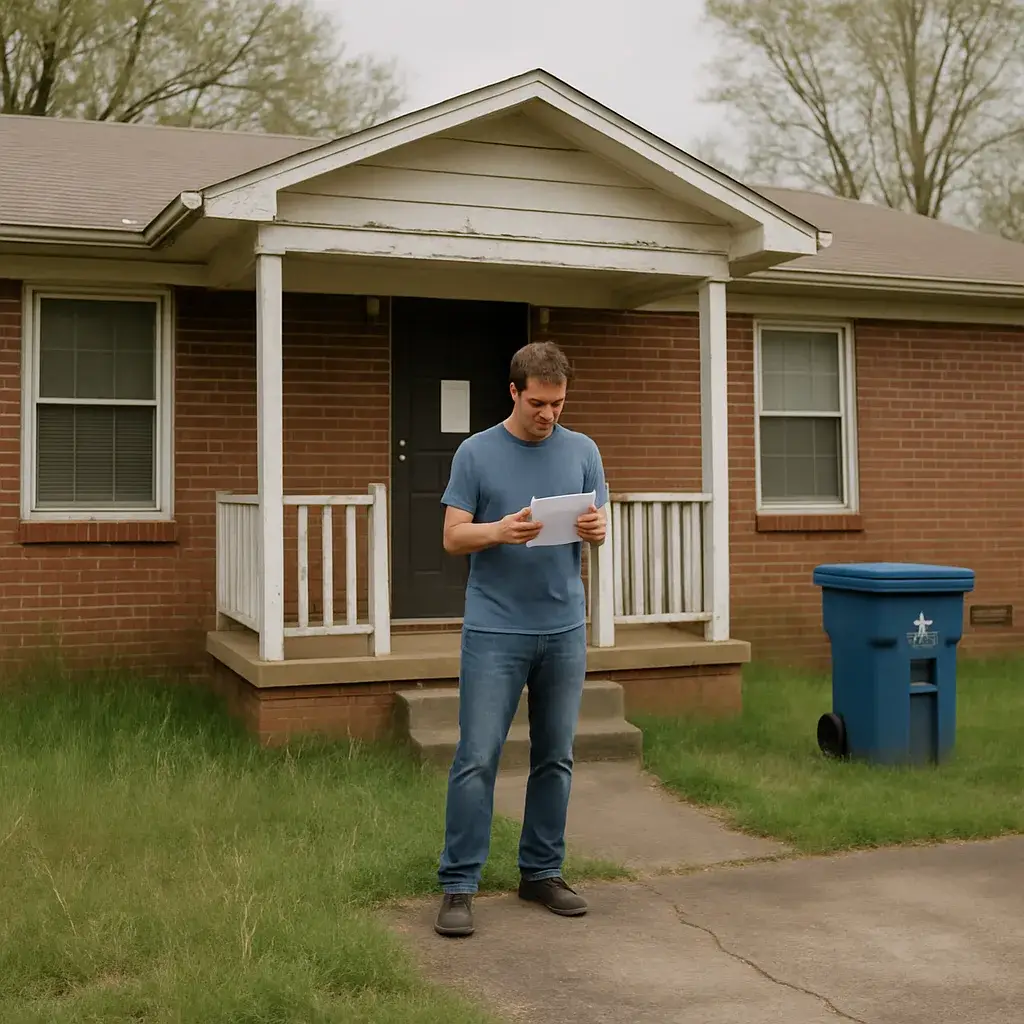
So what is a code violation notice in Huntsville, AL? In plain terms, it’s a written warning from the city’s code enforcement office. It tells you something on your property doesn’t meet local building, safety, or maintenance standards. Maybe it’s an overgrown yard. Maybe it’s a collapsing porch or a roof that’s been leaking for years. The notice spells out the problem and gives you a deadline to fix it.
We’ve talked to a lot of Huntsville homeowners who got one of these letters and felt their stomach drop. That reaction makes sense. The notice can look official and a little scary, especially if you weren’t expecting it. But here’s the thing: it’s a heads-up, not a punishment. The city wants the issue fixed, not to take your home from you.
Code violation notices in Huntsville usually come from one of a few sources. Sometimes a neighbor complains. Sometimes a city inspector spots the issue while driving through a neighborhood. And sometimes it’s tied to a property that sat vacant for a while, maybe after an inheritance or a move out of state.
- Overgrown grass, weeds, or debris piling up in the yard
- Structural problems like a sagging roof, broken steps, or unsafe decks
- Peeling paint, broken windows, or exterior damage
- Unpermitted additions or work that doesn’t meet current codes
- Vacant homes showing signs of neglect, like boarded windows or trash buildup
Every notice includes a description of the violation and a timeline to fix it. That timeline matters a lot. In Huntsville, minor issues often get 10 to 30 days. Bigger structural problems can come with shorter windows, especially if the city considers the property unsafe. Miss the deadline, and things can escalate fast, sometimes into fines that add up week after week.
Here’s something we see all the time: homeowners inherit a house, or they move for a new job, and the property sits empty. Nobody’s mowing the lawn. Nobody’s checking the roof after a storm. Months go by. Then a notice shows up, and suddenly there’s a repair list that feels impossible to tackle from a distance, or on a tight budget.
One thing worth knowing upfront – a code violation notice doesn’t mean you’re a bad homeowner. It just means the city needs the property brought up to standard. What you do next is what matters.
Common Reasons Properties Get Cited
Some violations show up overnight. A storm knocks down a fence, a tenant moves out and leaves trash piled up, or a house sits vacant for a few months and the yard gets away from everyone. Other violations build slowly, one missed repair at a time, until the city finally sends someone out to take a look. We’ve seen both kinds pop up all over Huntsville, from older homes near downtown to rental properties out past Research Park.
So what triggers a notice? Most cases fall into a handful of categories. Here’s what we see most often when we talk to Huntsville homeowners:
- Overgrown grass, weeds, or brush that’s grown past the city’s allowed height
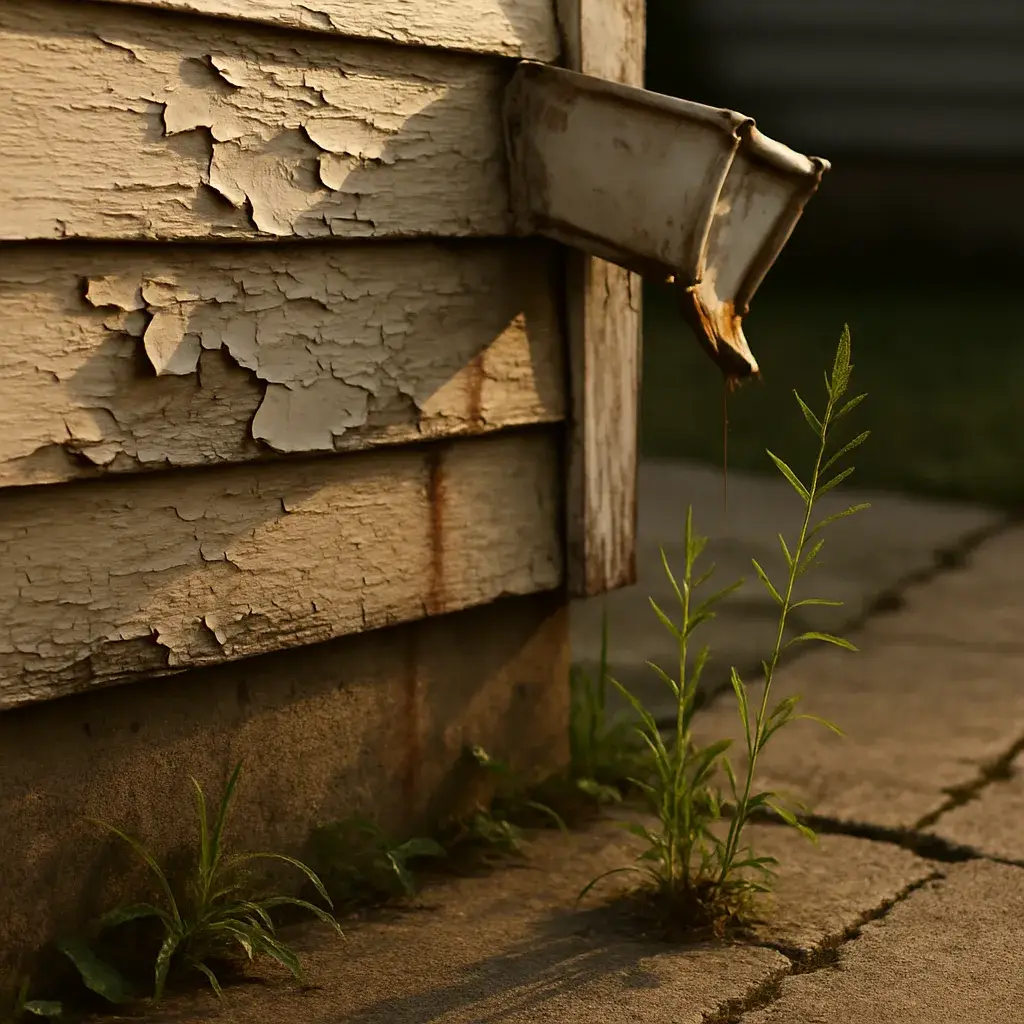
- Structural problems like a sagging roof, damaged siding, or a porch that’s no longer safe
- Junk, debris, or abandoned vehicles left in the yard or driveway
- Broken windows, boarded-up doors, or other signs a house looks abandoned
- Unpermitted additions or repairs done without the right paperwork
Inherited homes are a big one. You inherit a house from a parent or relative, and it sits empty while the estate gets sorted out. Nobody’s mowing the lawn. Nobody’s checking the roof after a storm. Months pass, and suddenly there’s a notice taped to the door. We talk to families in this exact spot all the time, and, it’s one of the most common calls we get.
Hoarder houses run into this too, but for different reasons. The exterior might look fine, but interior conditions or accumulated debris outside can trigger a complaint from a neighbor. And tenant-occupied properties bring their own headaches. A landlord living out of state might not know a tenant stopped taking care of the yard, or that a tenant moved out months ago and left the place vacant and exposed to break-ins or damage.
Storm damage is another common trigger here in Madison County. Huntsville gets its share of severe weather, and a damaged roof or fallen tree limb that doesn’t get fixed fast enough can turn into a citation. Vacant properties are especially vulnerable, since there’s often nobody checking on the place regularly.
Here’s the thing worth remembering: a notice usually doesn’t mean the city thinks you’re a bad person or a bad owner. It means a specific condition needs to change. Sometimes that’s a quick fix. Sometimes, especially with major repairs or structural issues, fixing it the right way costs more time and money than the house is even worth to you right now.
That’s the moment a lot of Huntsville homeowners start looking at other options besides repairing everything themselves.
What Happens After You Receive a Notice
So you found a notice taped to your door or sitting in your mailbox. What now? Most homeowners freeze up here, and we get it. But the process after a notice arrives is pretty predictable once you know the steps.
The city doesn’t jump straight to court or liens. There’s a window built in, usually somewhere between 10 and 30 days depending on the violation type and how the notice reads. That window is your chance to fix the problem, ask questions, or make a plan.
- Read the notice closely and note the deadline listed for compliance.
- Identify the exact violation, whether it’s overgrown grass, a collapsing porch, trash buildup, or an unsafe structure.
- Contact the code enforcement office listed on the notice if anything is unclear.
- Decide whether you can fix the issue yourself, hire someone, or whether the repair is bigger than you can handle.
- If you can’t meet the deadline, request an extension in writing before the date passes, not after.
- If the property is vacant, inherited, or too far gone to fix, look at your options for selling as-is instead of repairing.
- Keep copies of every letter, photo, and email tied to the case in one folder.
We’ve talked with Huntsville homeowners who inherited a house out near Five Points or Blossomwood and had no idea the property had an open violation until a notice showed up months later. That’s more common than people think, especially with inherited or vacant homes nobody’s been checking on.
Miss the deadline, and things escalate. The city may issue a re-inspection, add daily fines, or in serious cases refer the property for legal action. None of that happens overnight, but it does happen. And once fines start stacking, they can add up fast, sometimes faster than the cost of the repair itself.
Here’s the part most people miss.
A code violation doesn’t mean you’re in trouble as a person, it means the property needs attention. That’s a fixable situation, even when the house itself feels unfixable. Some owners tackle the repairs themselves. Others realize the roof, foundation, or hoarder-level cleanout is more than they want to take on, especially if they’re managing this from out of state or dealing with a property they never wanted in the first place.
If repairs aren’t realistic for your budget or timeline, selling the house as-is is a real option, and it can stop the clock on fines before they pile up. We buy houses with open code violations across Huntsville and Madison County, including homes that need major repairs, sit vacant, or came from an inheritance nobody planned for.
Deciding Whether to Fix the Violation or Sell As-Is
A code violation notice in Huntsville feels urgent, and it is. But it doesn’t automatically mean you need to sell. Some notices are a weekend fix. Others point to work that needs permits, licensed trades, and inspections before the city will sign off. Here’s how we’d help a neighbor sort it out.
Fixing it yourself probably makes sense if:
- The fix is simple, like mowing, hauling off trash or old cars, replacing a window, or repairing a fence or steps.
- You can finish the work before the deadline on your notice.
- You plan to keep living in the house or renting it out.
- You have the cash to cover repairs without taking on new debt.
- The house is otherwise in good shape and would sell well on the open market once it’s cleaned up.
If that sounds like you, we’d tell you to fix it. Clearing a small violation and then listing with a local Realtor may get you a higher price than a cash offer would. We’re glad to say that, because it’s true.
Selling as-is probably makes more sense if:
- The repair needs permits and licensed contractors, like electrical, plumbing, roofing, or structural work.
- The violation came from fire, water, or foundation damage, or from years of clutter in a hoarder house.
- Fines or liens are already piling up, and the repair bill keeps growing.
- You inherited the house, live out of town, or just can’t take on a project right now.
- You’d have to borrow money to fix up a house you don’t want to keep.
Here’s something people don’t always think about. A repair you start can turn up more problems. You open a wall to fix the wiring and find rot or water damage behind it. Jason, our founder, has 30 years of experience in home building and construction. When we look at a house, we’re thinking about the repairs and permitting the next owner will face. That goes into our offer, so you don’t have to carry that risk yourself.
To be straight with you, a cash offer on a house with code problems will reflect the work it needs. Our offer depends on the property’s location, condition, size, comparable home sales, market demand, needed repairs, cleanup costs, and estimated resale value. Major structural, fire, water, or foundation damage may lower the offer. Here’s what you get in return. You don’t make repairs or clean. We pay all closing costs. And any mortgages, liens, back taxes, or title issues are reviewed and explained before you sign the purchase agreement.
Here’s a simple way to compare. Get a repair quote or two. Add any fines you’re facing and the time the work will take. Then set that next to a written cash offer. Our visit and offer are free, with no obligation, and you’ll have a written cash offer within 24 hours of our visit. That way you can choose with real numbers in front of you, not guesses.
Signs a Violation Is Serious Enough to Sell Fast
Most notices start small. A letter, a deadline, a list of things to fix. The trouble starts when a violation stops being a to-do item and starts growing on its own. Here are the signs we’d tell a neighbor to watch for, because they mean time is no longer on your side.
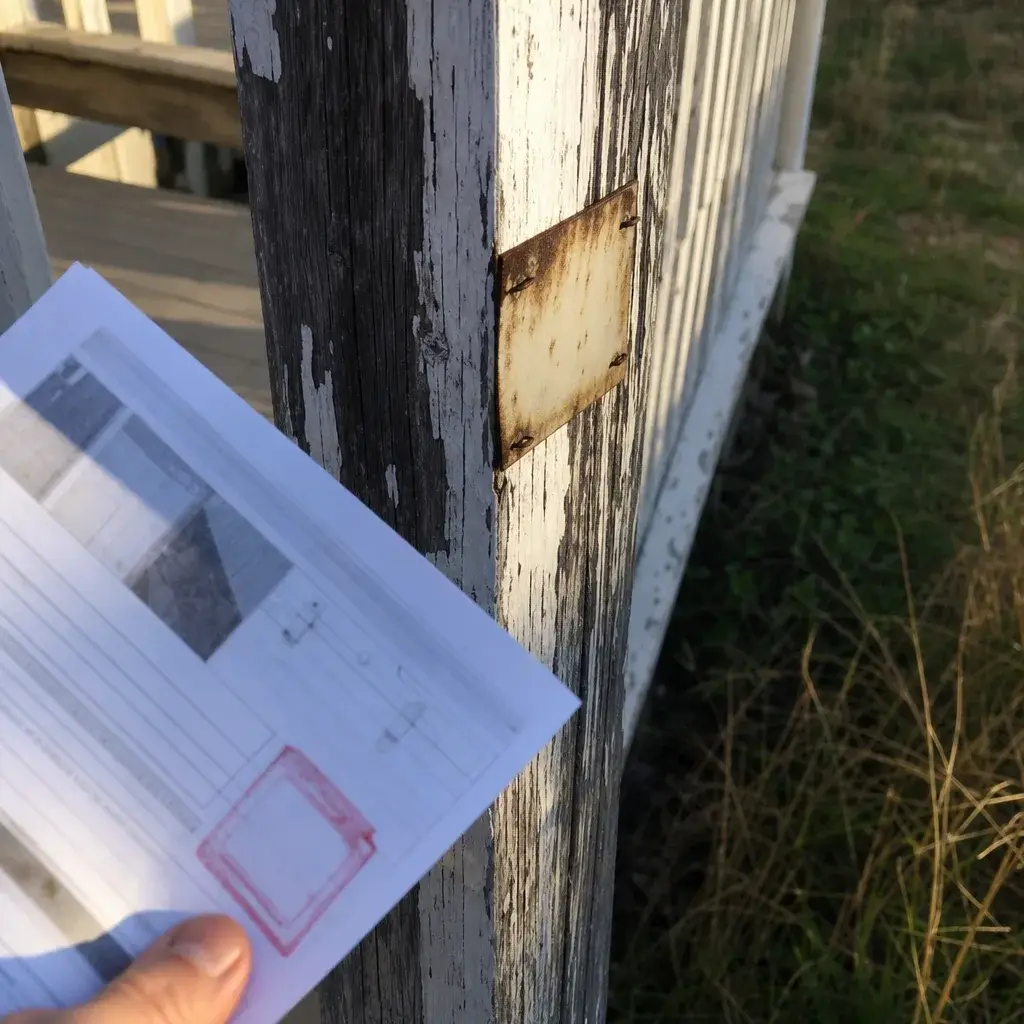
- The notice uses words like unsafe, unfit, or condemned. That usually means the problem is about the structure or safety of the house, not how it looks from the street. These repairs tend to need permits, licensed trades, and inspections.
- You’ve gotten more than one notice for the same problem. A second or third letter often means fines are adding up, and the city is losing patience.
- Fines or a lien now show up on the property. Once money is tied to the title, it can follow the house until it’s paid. It can also make a regular sale harder.
- The power, water, or gas has been shut off. Some fixes can’t even start until the utilities are back on, and getting them back on may need its own inspection first.
- The house is empty and getting worse. Vacant homes can pick up break-ins, leaks, and pests fast, and each one can turn into a new violation.
- You can’t get or keep insurance on the house. When an insurer won’t cover the property, one storm or fire can wipe out what’s left of its value.
- The repair deadline is weeks away, but the work would take months. Permits, contractor schedules, and inspections rarely move as fast as a notice wants.
One of these by itself might be manageable. Two or three together usually mean the costs are stacking faster than you can catch up. Picture someone who got a letter about a sagging porch. They put it off for a few months. Now there’s a second letter, a fine, and a contractor telling them the porch is pulling away from rotted framing. What looked like a weekend job has turned into structural work with a permit, and the clock is still running.
That’s the point where a fast as-is sale stops being a last resort and starts being a way to protect yourself. You hand off the repairs, the permits, and the risk of finding more damage, and you stop the slow drain of fines and upkeep on a house you may not even want.
Code problems often show up alongside other hard situations. A house that’s been sitting empty after a loved one passed. A home with old fire damage that never got fully fixed. A place packed with years of belongings that hides what’s going on with the floors and walls. If that sounds like your house, it helps to know your options with inherited, fire-damaged, or problem properties before you decide anything.
Jason has spent 30 years buying houses in Huntsville and Madison County, and his years of hands-on building experience mean he looks at a violation the way a builder would. He’s thinking about what the permits will take and what might be behind the wall. That’s why a serious notice isn’t a dealbreaker for us. We buy houses in any condition, and a house with stacked-up code problems is one we’re ready to look at.
When You Don't Need a Cash Buyer for a Violation
We’d rather you hear this from us. A lot of people who get a code notice don’t need a cash buyer at all. We already covered the easy repairs you can knock out yourself. Here are some other cases where selling to us isn’t your best move.
- The notice is wrong. Maybe it has the wrong address, lists something you already fixed, or describes a problem that isn’t there. Call the number on the notice, take dated photos, and ask for the house to be checked again. A mistake on paper doesn’t need a sale to fix it.
- You need more time, not a buyer. If you’re already working on the problem and just can’t finish by the deadline, call the office that sent the notice before the date passes. Explain what you’ve done and what’s left. It’s often worth asking for more time, and if you get it, get it in writing.
- A tenant caused the problem. If you rent the house out and a tenant left piles of trash, junk cars, or damage behind, that’s usually something you can handle as the landlord. Your lease, a cleanup crew, and a handyman can often clear it up without giving up the property.
- Someone close to you wants the house. A family member, neighbor, or friend who likes fixing up homes may be glad to buy it and take on the repairs. If they can pay a fair price and close in time, that may be the better deal for everyone.
- You want to stay, and help may be out there. Some homeowners, like seniors or folks on a fixed income, may qualify for repair help from local groups or nonprofits. Ask the office that sent your notice if they know of any. It’s worth a phone call before you decide to sell a home you love.
- The house is solid apart from the violation. If the fix is done and the rest of the home is in good shape with plenty of time on your side, listing with a local Realtor will likely bring you more money, as we mentioned earlier.
Picture a homeowner who opens a letter about a broken back fence and a pile of old tires. They panic and start looking up ways to sell fast. But the fence is a one-day repair, and the tires can go to the dump in a pickup truck. They have a job, they love the house, and they have money set aside. Selling to a cash buyer in that spot would mean giving up a home over a problem that a Saturday could solve.
Whichever path you pick, keep good records. Save every letter, write down who you talked to and when, and keep receipts and photos of your repairs. If questions come up later, that paper trail protects you.
A code notice is a problem to solve, not a reason to sell by itself. If one of these fits your situation, take that road. A cash sale is there for the houses where the repairs, fines, and stress have grown bigger than what you can or want to take on.
What Happens to Liens, Back Taxes, and Fines at Closing
This is the question that keeps a lot of folks up at night: “If I owe money on this house, can I even sell it?” In most cases, yes. Liens, back taxes, and unpaid fines don’t usually stop a sale. They get sorted out at closing, and you don’t have to pay them off first.
Here’s how it usually works at a typical closing:
- The closing attorney runs a title search. That’s a check of public records for anything tied to the house, like a mortgage, unpaid property taxes, city liens for fines or cleanup costs, or court judgments.
- Payoff amounts are requested. Each lender or office that’s owed money gives a figure good through a certain date.
- Those debts are paid out of the sale price. On closing day, what’s owed is paid from the buyer’s money, and what’s left goes to you.
- The liens are released. Once they’re paid, the title can pass to the new owner free and clear.
There’s one difference worth knowing. A fine that’s turned into a lien is a debt, so it gets paid at closing like any other bill. The violation itself, meaning the sagging porch or the bad wiring, isn’t something that gets paid off. When you sell as-is, those repairs become the next owner’s job. That’s a big part of why an as-is sale can take so much weight off your shoulders.
Watch the clock on fines, too. Some fines keep growing until the problem is fixed or the house changes hands. If you’re getting close to closing, ask for an updated payoff figure so there are no surprises on the day you sign.
It’s harder if the debts add up to more than the house will bring. That can happen with years of back taxes or a large stack of fines. It doesn’t always mean you’re stuck, but it’s a conversation to have early with the closing attorney, so you understand your choices before you agree to anything.
Here’s what we do on our end. Any mortgages, liens, back taxes, or title issues are reviewed and explained before the purchase agreement is signed. You’ll know what’s owed and how it affects your money before you commit. We pay all closing costs, and the closing is handled by a closing attorney. You pick a closing date that works for you, and if closing is late because of us, we pay you $100 per day.
To help things move faster, gather what you have. That means every notice from the city, any fine or lien letters, your latest property tax bill, and your mortgage statement if you have one. Don’t worry if some of it is missing. We’ll help you figure out what still needs to be found.
Frequently Asked Questions
You should never just wait it out once you get a code violation notice in Huntsville. The deadline on the letter is real, and missing it can lead to growing fines or legal action. If the fix is small, like mowing overgrown grass, you may handle it yourself in a weekend. But if it involves a sagging roof, unsafe porch, or structural damage, waiting only makes the problem and the paperwork worse.
Minor violations, like tall grass or peeling paint, usually get a longer deadline in Huntsville, often 10 to 30 days. Unsafe conditions, like a collapsing porch or damaged roof, can come with a much shorter window because the city sees these as risks to people nearby. Structural issues also tend to escalate faster if ignored, since the city treats them as urgent safety matters rather than simple upkeep.
Yes, a neighbor’s complaint is one of the most common ways a code violation notice gets started in Huntsville. City inspectors also spot issues while driving through neighborhoods, so it’s not always tied to a complaint. Either way, the notice itself doesn’t care how it started. It only cares that the listed problem gets fixed by the deadline written on the letter.
Storm damage is a bigger factor in Huntsville because Madison County sees frequent severe weather, including high winds and heavy rain. A fallen tree limb or a roof leak that sits unfixed can quickly turn into a citation, especially on vacant properties nobody is checking regularly. If you’ve inherited a storm-damaged home or one that sat empty after a move, it helps to understand your full options for what happens next with the property.
No, a code violation notice is not a criminal charge. It’s a written warning telling you a property doesn’t meet local safety or maintenance standards. Many Huntsville homeowners assume the worst when they see one taped to the door, but it simply means the city wants the issue corrected. What happens next depends on how you respond, not on any assumption about you as a homeowner.
Start by reading the notice closely to find the exact violation and the deadline for fixing it. Inherited homes often sit vacant for months while an estate gets settled, which is exactly when yards get overgrown and small repairs get missed. If the repair list feels too big to manage from a distance or on a tight timeline, it helps to look at all your choices before deciding how to move forward with the property.
- We Buy Houses As-Is
- Locally Owned and Operated
- 30 Years Buying Houses in Madison County
- Fair Cash Offers, No Obligation
Related Help for Huntsville Homeowners
If this sounds like your situation, these pages can help:
- We buy houses with code violations in Huntsville
- What Are Code Violations in Real Estate? A Huntsville, AL Guide
- Why Would Code Enforcement Come to Your House in Huntsville? Top Reasons
- Can You Buy a House With Code Violations in Huntsville? (2026 Guide)
- Why Do Vacant Houses Deteriorate So Quickly? A Huntsville Owner’s Guide (2026)
- How our home buying process works