
Cost to Renovate a Burnt House in 2026: Full Breakdown for Huntsville Homeowners
What Determines the Cost to Renovate a Fire-Damaged House
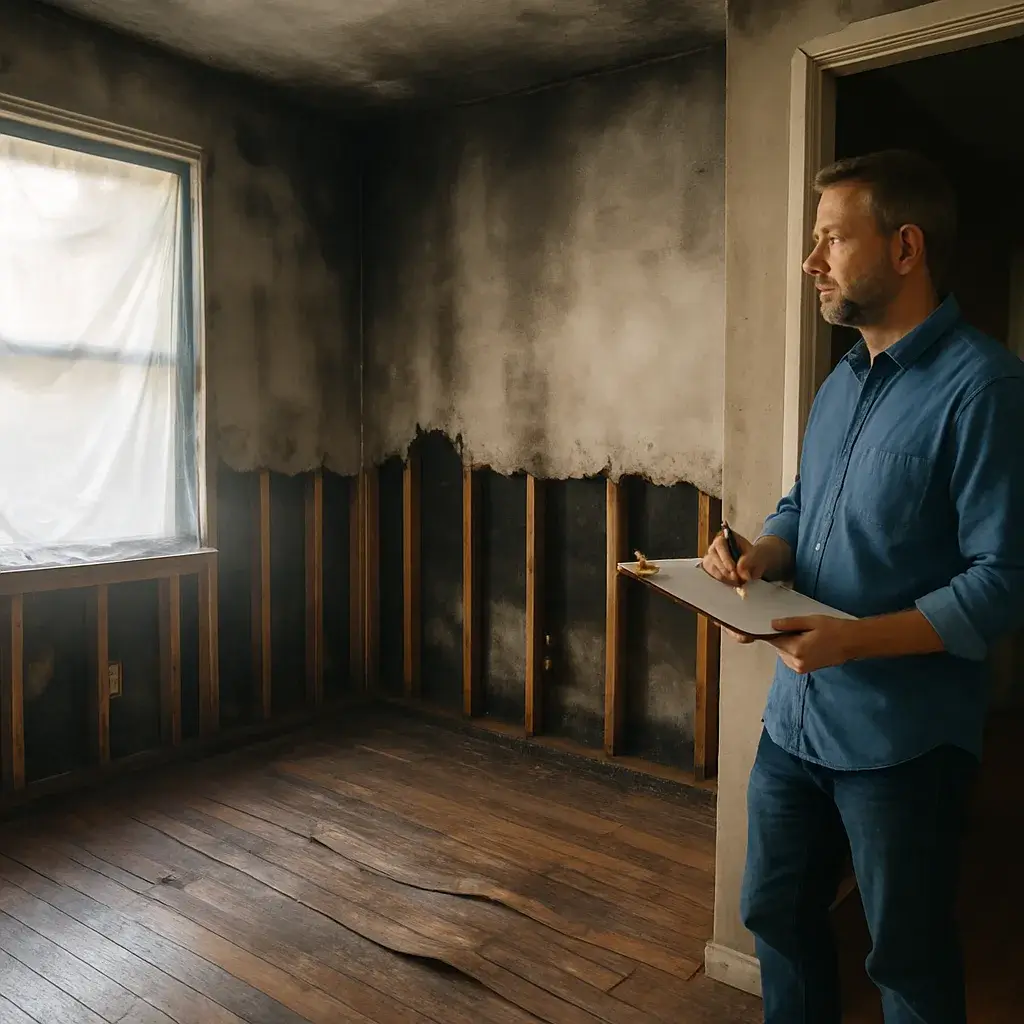
Every fire-damaged house tells a different story. We’ve walked through homes in Huntsville where the fire stayed in one room, but the smoke traveled through every vent in the house. That’s the tricky part about fire damage. What you see isn’t always what you get. A contractor has to look past the burnt walls and figure out what’s happening behind them, under the floor, and inside the attic.
So what drives the renovation cost up or down? A few things matter more than others.
- How far the fire spread through walls, ceilings, and the attic space
- Smoke and soot damage, which can soak into drywall, insulation, and framing
- Water damage from firefighting hoses, which often leads to mold within 48 hours
- Electrical and plumbing systems that may need full replacement, not just repair
- Structural damage to load-bearing walls, roof trusses, or the foundation
Structural damage is the big one. If the fire touched the frame of the house, an engineer usually has to inspect it before any renovation permit gets approved. Madison County enforces its own residential building code with local amendments, meaning permitted repair and rebuild work after major damage often has to meet updated wiring and safety requirements that weren’t part of the original house. That’s not a bad thing for safety, but it does add time and cost most homeowners don’t expect.
Smoke damage is the sneaky one. A room can look untouched by flames and still need full replacement of drywall, insulation, and ductwork because the smell won’t go away otherwise. We see this mistake all the time: homeowners think a fresh coat of paint will cover it up, then six months later the smell comes right back through the walls.
Water damage is the one people forget about entirely.
Firefighters use a lot of water to put out a house fire, and that water goes everywhere. Floors, subfloors, and wall cavities soak it up fast. If it’s not dried out properly within a day or two, mold sets in. And once mold is in the mix, remediation costs get added right on top of the fire repair costs. It’s not one project anymore, it’s two.
This is exactly why so many owners of fire-damaged houses in Huntsville decide renovation isn’t worth the stress, the time, or the uncertainty. If you’re facing this same decision, our page on fire-damaged house buying walks through what selling as-is looks like, without needing to fix a single thing first.
Why the First Estimate Is Rarely the Final Cost
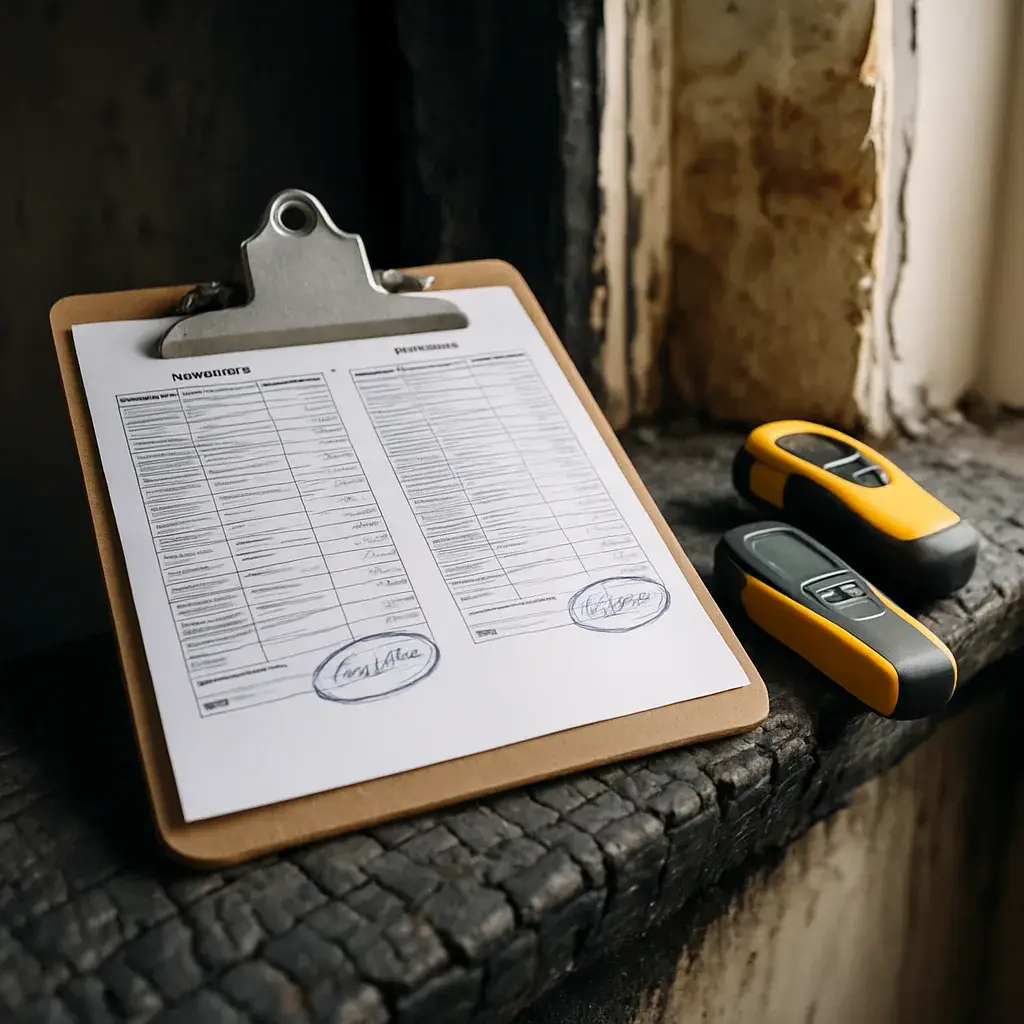
Here’s something we’ve seen over and over in Huntsville. A homeowner gets a quote for fire damage repairs, feels relieved it’s not as bad as they feared, then watches that number grow by thousands once the real work starts. The first estimate almost never holds. That’s not because contractors are trying to trick you. It’s because fire damage hides. Smoke travels through walls and ductwork long before anyone sees a scorch mark, and the true renovation cost usually isn’t clear until crews start tearing things open.
So why does this keep happening? A few reasons come up again and again.
- Smoke and soot spread through HVAC systems, attics, and wall cavities that aren’t visible during a walkthrough
- Water damage from firefighting efforts often causes mold growth that isn’t found until walls are opened
- Structural framing can look fine but be weakened by heat, requiring engineering review before rebuild work begins
- Electrical and plumbing systems may need full replacement once inspectors see melted insulation or scorched wiring
- Permit requirements in Madison County can change mid-project once inspectors flag code violations that weren’t part of the original scope
And that last point matters more than people realize. Older Huntsville homes, especially ones built before the 1990s, often get hit with code upgrade requirements once a permit is pulled. You might only need to fix fire damage, but the inspector requires updated wiring or ventilation to meet current code. That’s not optional. It adds cost you didn’t plan for.
There’s also the insurance angle. Adjusters and contractors don’t always agree on scope.
Insurance estimates are built for insurance purposes, not always for full restoration. A contractor doing the real work often finds more damage than the adjuster’s report reflects, which means you’re stuck covering the gap or fighting for a supplement. Most homeowners don’t realize this until they’re already knee-deep in the process.
This is exactly why so many Huntsville homeowners decide renovation isn’t worth the stress, the time, or the financial risk of unknown costs stacking up month after month.
Code Upgrades: The Hidden Cost Most Estimates Miss
Here’s the part most contractors don’t mention up front. Once a fire damages more than a certain percentage of your home, Madison County and City of Huntsville code often require you to bring the whole structure up to current code. Not just the burnt section. We’ve seen homeowners get quotes for repairing the kitchen where the fire started, only to find out later they also need new wiring, updated smoke detectors, and sometimes a whole new electrical panel.
This is where a lot of renovation cost estimates fall apart. A contractor walks through, sees scorched drywall and a melted stove, and gives you a number. But that number rarely includes what the inspector will require once permits get pulled.
So what triggers these upgrades? It depends on how much of the structure was affected, and how old your home is.
- Older Huntsville homes built before modern electrical codes often need a full panel upgrade, even if the panel wasn’t near the fire
- Plumbing runs through fire-damaged walls may need replacing with current materials, not just patched
- Insulation removed during smoke remediation usually has to be replaced with today’s energy code requirements, which can be stricter than what was originally installed
- Structural framing that’s been compromised by heat may require engineered repairs signed off by a structural engineer, not just a carpenter’s patch job
- Homes in flood-adjacent areas near the Tennessee River may also face additional inspection requirements layered on top of fire code compliance
We’ve walked through homes in older parts of Huntsville where the fire only touched one bedroom, but the permit office required the homeowner to update the whole electrical system before they’d sign off on any repair work. That’s not the contractor being difficult. That’s just how code works once you open the walls.
And here’s the thing nobody wants to hear: you often don’t find out about these requirements until after you’ve already paid for demo work. The walls come down, the inspector shows up, and suddenly the scope of work doubles.
Most people don’t realize this until it’s too late, they’ve already spent money on cleanup, and now they’re staring at a renovation bill that’s grown by tens of thousands of dollars overnight. It’s one of the most common reasons homeowners walk away from renovating a fire-damaged house altogether.
So is it worth fighting through all this? For some homeowners, yes. For others, the code upgrade costs alone make selling the house as-is the simpler path forward.
This is exactly why we buy fire-damaged houses in the condition they’re in right now. No permits to pull. No inspector visits. No surprise electrical panel replacement halfway through your renovation. If you’re weighing whether to rebuild or sell, it helps to understand your full range of options before committing to a contractor.
Frequently Asked Questions
You’ll know once a contractor checks past what you can see, not just the burnt walls. Smoke and water can travel into vents, attics, and framing even when damage looks small. A single-wall kitchen fire can turn into a whole-house project once drywall comes down. Don’t judge scope by looks alone. Get a full walkthrough before deciding, since the real damage is often hidden until walls open up.
Smoke soaks into drywall, insulation, and ductwork, and paint won’t cover the smell for long. Many Huntsville homeowners try repainting first, then the odor returns months later because the source is still trapped inside walls. Fixing it right means removing and replacing affected materials, not masking them. This is one reason first estimates grow once the real scope becomes clear.
Yes, Madison County enforces its own residential building code, and permitted repairs often must meet current wiring and safety standards. This applies even if the original house was built decades earlier. Inspectors can require updated electrical or ventilation work beyond the original fire damage. That added requirement is a major reason renovation costs climb higher than homeowners first expect.
Mold can start within 48 hours if water from firefighting efforts isn’t dried out fast. Floors, subfloors, and wall cavities absorb water quickly during a fire response. Once mold sets in, remediation becomes a second project stacked on top of fire repairs. This is why water damage, not just fire damage, often drives the biggest cost increases in a renovation.
Estimates change because fire damage hides behind walls, in attics, and inside HVAC systems. Contractors can’t fully see the damage until they open things up. Insurance estimates are also built for claims purposes, not full restoration, so gaps often appear once real work begins. If rising costs and uncertainty feel overwhelming, our page on selling a fire-damaged house as-is explains another path forward.
Yes, this happens often in Huntsville homes because smoke travels through vents and attic spaces far from the original fire. A contained-looking kitchen fire can spread smoke damage across half the house through insulation and ductwork. That’s why contractors always check the attic and crawlspace, even when the visible damage looks small.
- We Buy Houses As-Is
- Locally Owned and Operated
- 30 Years Buying Houses in Madison County
- Fair Cash Offers, No Obligation
Related Help for Huntsville Homeowners
If this sounds like your situation, these pages can help:
- We buy fire-damaged houses in Huntsville
- How to Estimate Fire Damage Repair Costs in Huntsville (2026)
- How Does Fire Insurance Pay Out? A Huntsville Homeowner’s Guide
- What to Do After a House Fire in Huntsville: The First 30 Days
- How to Get a House Declared Uninhabitable: Step-by-Step Guide (2026)
- How our home buying process works
- Fire-Damaged House in Huntsville: Repair It or Sell As-Is?