When Is a House Legally Uninhabitable in Huntsville? A Homeowner's Guide (2026)
What Makes a House Legally Uninhabitable
Here’s the short version. A house is uninhabitable when it’s not safe for a person to live in. That’s not about looks. Peeling paint and old carpet won’t get you there. But a caved-in roof or no running water probably will.
In Alabama, the Alabama Uniform Residential Landlord and Tenant Act lays out basic duties for rental homes. Landlords have to keep a home fit to live in. That includes working plumbing, heat, and safe wiring. In Huntsville, city code enforcement inspectors use local housing rules to judge if a home is safe.
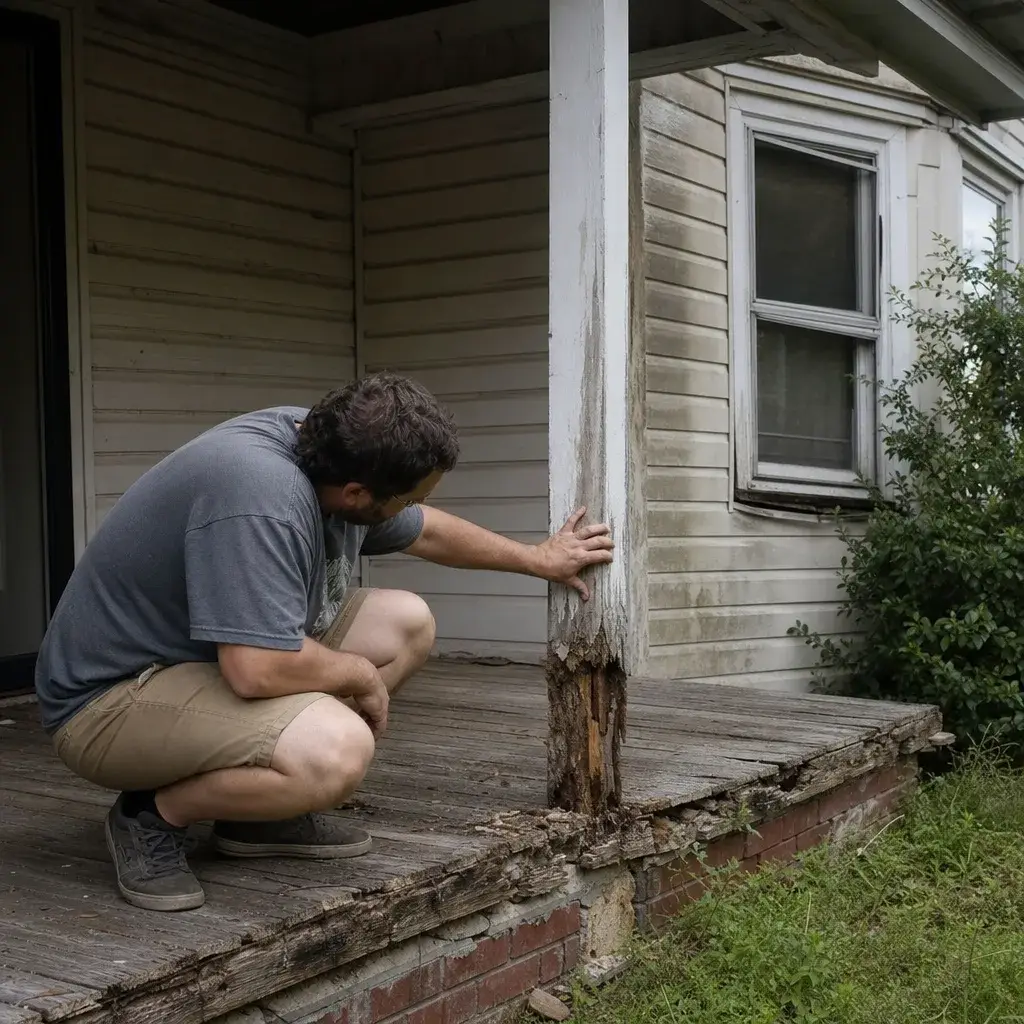
So what do inspectors look for? These are the problems we see most often in homes that end up condemned or tagged as unsafe:
- Structural damage, like a sagging roof, cracked foundation, or walls that lean
- No safe source of water, or a sewer line that backs up into the home
- Heat that’s broken or missing, a big deal on cold Huntsville nights
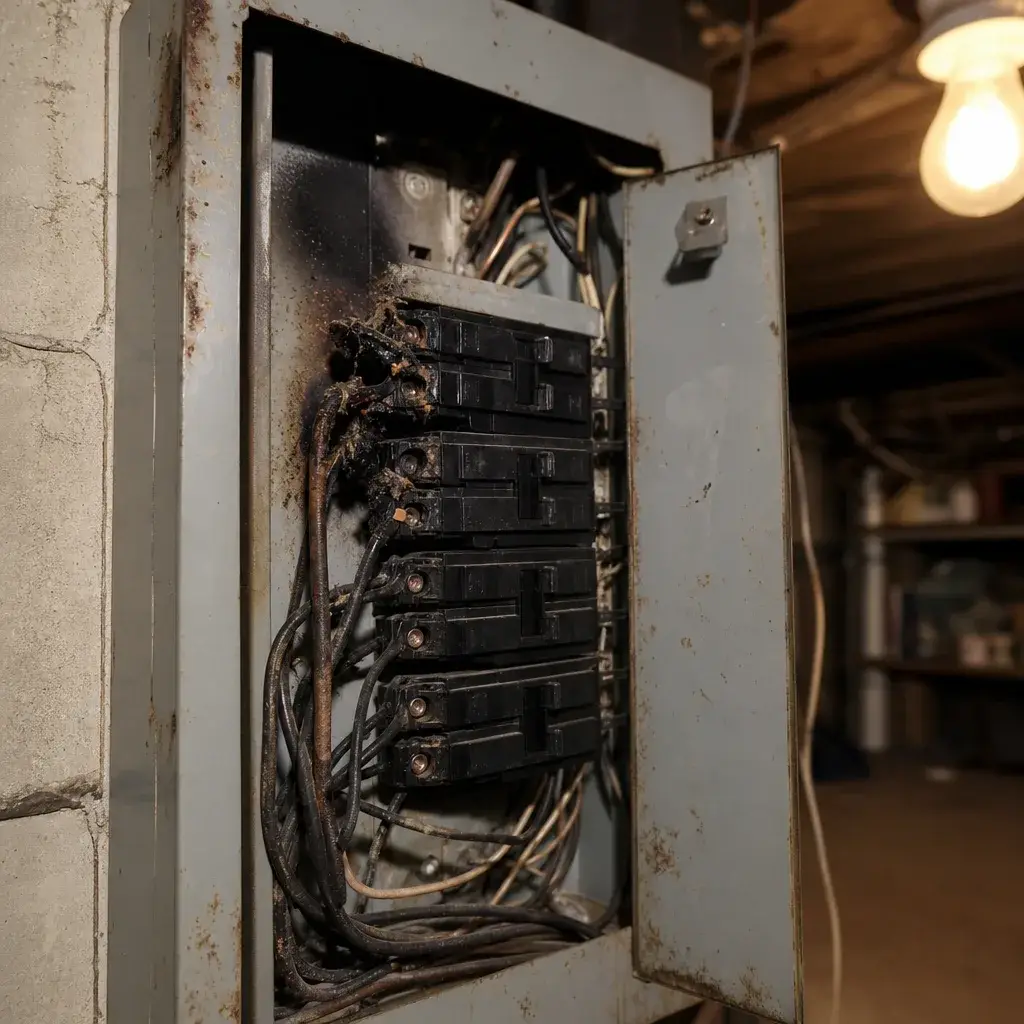
- Exposed or burned wiring that could start a fire
- Heavy mold, rot, or a pest problem bad enough to make people sick
- Fire damage that left the home open to weather or weakened the frame
One problem on that list can be enough. Most houses we walk through have two or three at once, they tend to pile up when a home sits empty.
Fire damage deserves its own mention. We see it all the time around Huntsville. A kitchen fire might only scorch one room. But smoke and water from the fire hoses can soak the drywall and the subfloor. Then mold shows up a few weeks later. And now a house that looked fixable has two serious safety issues instead of one.
That’s the part most people miss.
Uninhabitable is a legal label, not just a feeling. You might think your house is unlivable. A tenant might agree. But it usually takes an official inspection to make it count for insurance, a lease dispute, or a city order. Your opinion starts the process – the inspector’s report finishes it.
Is your house close to that line? If you’re nodding along to two or more items above, it’s worth getting it looked at. Not because you’re in trouble. Because knowing where you stand gives you options.
Who Makes the Call and How the Process Starts
So who decides a house isn’t safe to live in? It’s not you, your landlord, or your insurance adjuster. In Huntsville, that call usually comes from a city code enforcement inspector or a building official. After a fire, Huntsville Fire & Rescue may also tell you not to stay in the home before anyone else steps inside.
Live outside city limits? Then Madison County usually handles it instead of the city. Renters can request an inspection too. A written report gives you a paper trail if your landlord won’t fix things.
Your opinion matters, but the inspector’s report is what counts.
The process almost always starts with a complaint or a request. Nobody shows up on their own. Here’s how it usually goes once someone picks up the phone.
- Someone reports the problem. That could be you, a tenant, a neighbor, or a firefighter on scene.
- The city logs the complaint and assigns an inspector. Huntsville residents can often start this by calling 311.
- An inspector visits the property. They look at the roof, wiring, plumbing, heat, and structure.
- The inspector writes up what they find. Serious problems get listed as code violations.
- The owner gets a written notice. It explains what’s wrong and how long they have to fix it.
- If the danger is bad enough, the house gets posted as unfit to live in. You’ll often see a notice taped to the front door.
Timelines vary a lot. A house with a collapsed ceiling after a fire might get posted the same day, a house with a slow roof leak could take weeks of back-and-forth.
We see one mix-up all the time with fire-damaged homes around Huntsville. The owner assumes the fire report settles everything. But the fire report and the city’s code notice are two separate things. You’ll usually need both for insurance and for any sale.
A little prep makes the inspection go smoother. Most people don’t think about this until the inspector is already at the door. Here’s what we tell folks to do ahead of time.
- Take photos of every room before anything gets moved or cleaned.
- Keep your fire report and insurance claim number in one folder.
- Be there in person so you can ask questions on the spot.
- Ask which problems are safety issues and which are just repairs.
That last question matters more than you’d think. Safety issues drive the deadline. Plain repairs usually don’t.
Plenty of owners look at that violation list and decide they don’t want to rebuild. That’s where fire-damaged house buying in Huntsville can help, because a cash buyer takes the home as it sits. And you don’t have to wait for every notice to be settled before you talk to someone. Our founder has walked through a lot of these houses here in Huntsville. He knows how heavy that notice on the door can feel.
Signs Your House May Already Be Heading That Direction
Most houses don’t become unsafe overnight. Slowly, then all at once. A small leak turns into rot. A wiring problem turns into a fire. And by the time a code officer knocks on the door, the list of problems is usually long.
So how do you know if your place is close to that line? Start with the basics. Inspectors care most about safe shelter, working utilities, and clean water. If any of those fail, the house can be posted as unfit to live in.
Here are the signs we look for first when we walk through a home:
- No working heat, water, or power for more than a short stretch
- Fire or smoke damage that reached the roof, walls, or wiring
- Floors that sag or bounce when you walk across them
- A roof where you can see daylight from the attic
- Black mold spreading after a leak nobody fixed
- Sewage backing up into the house or the yard
- Pests like rats or termites that keep coming back no matter what you try
One sign alone might be fixable. Two or three together? That’s when we start to worry for the owner.
Here in Huntsville, the weather speeds things up. Our summers are hot and sticky. Spring storms can dump a lot of rain fast. A roof leak in an older home near Five Points or Lincoln Village can turn into mold in just a few weeks. We’ve walked through houses that looked fine from the street, inside it was a different story.
Fire damage is the big one we see. Smoke gets into wiring you can’t see. Heat can warp the wood framing behind your walls. Even a fire that stayed in one room can leave the whole house unsafe to live in –
Most people don’t realize this until an inspector says it out loud.
But here’s the good part. You don’t have to fix any of it. You just need a clear picture of where things stand and what your choices are.
If you’re spotting these signs, write them down. Take photos with the date showing. Keep any letters from the city or your insurance company in one folder. That record helps if you want the house declared uninhabitable later. It also helps if you’d rather just sell it the way it is.
Don’t wait for things to get worse on their own.
Frequently Asked Questions
You know it’s a health risk when the problem could hurt someone, not just look bad. Peeling paint or old carpet is a repair issue. A caved roof, exposed wiring, or no running water is a safety issue. If you see two or more serious problems from that list, it’s worth having someone look closer. Knowing the difference helps you plan next steps instead of guessing what the city will say.
Yes, city code enforcement keeps records of homes posted as unfit to live in. You can often start by calling 311 or checking with Madison County if the home sits outside city limits. Posted notices are usually taped right to the front door too. This record matters if you’re buying, selling, or settling an estate, since it shows what an inspector already found.
Not always, but it often leads there faster than people expect. A small kitchen fire can scorch one room, yet smoke and water from the fire hoses soak the drywall and subfloor. Mold can follow within weeks. One safety issue plus hidden moisture damage can add up fast. If your home had a fire, it’s smart to ask about fire-damaged house buying in Huntsville before sinking money into repairs that may not solve the real problem.
Small cosmetic fixes you can often handle yourself. But anything tied to structure, wiring, plumbing, or heat needs a licensed professional and usually a permit. Trying to patch a safety issue without the right fix can make the inspector’s report worse, not better. If your notice lists more than one safety item, get a professional opinion before you start any work.
The biggest mistake is thinking the fire report settles everything. It doesn’t. The fire department’s report and the city’s code enforcement notice are two separate documents, and you’ll likely need both for insurance or a sale. Many owners near Huntsville get caught off guard when a second notice shows up days later listing wiring, smoke, or roof problems the fire report never mentioned.
Cold nights and heavy rain speed up damage that’s already started. A home with no heat becomes a bigger risk once winter hits, and a weak roof lets rain soak in faster during Huntsville storms. Moisture feeds mold, and mold spreads quietly while a house sits empty. That’s why problems that seem small in fall can turn into full code violations by the time an inspector shows up in winter.
- We Buy Houses As-Is
- Locally Owned and Operated
- 30 Years Buying Houses in Madison County
- Fair Cash Offers, No Obligation
Related Help for Huntsville Homeowners
If this sounds like your situation, these pages can help:
- We buy houses with major damage in Huntsville
- We buy houses with code violations in Huntsville
- What Happens If You Don’t Fix a Code Violation in Huntsville, AL?
- How to Fight a Code Enforcement Violation in Huntsville, AL (2026)
- Can Fire Damage Be Fully Repaired? What Huntsville Homeowners Need to Know
- How our home buying process works