
How to Estimate Fire Damage Repair Costs in Huntsville
What Drives a Fire Damage Repair Estimate
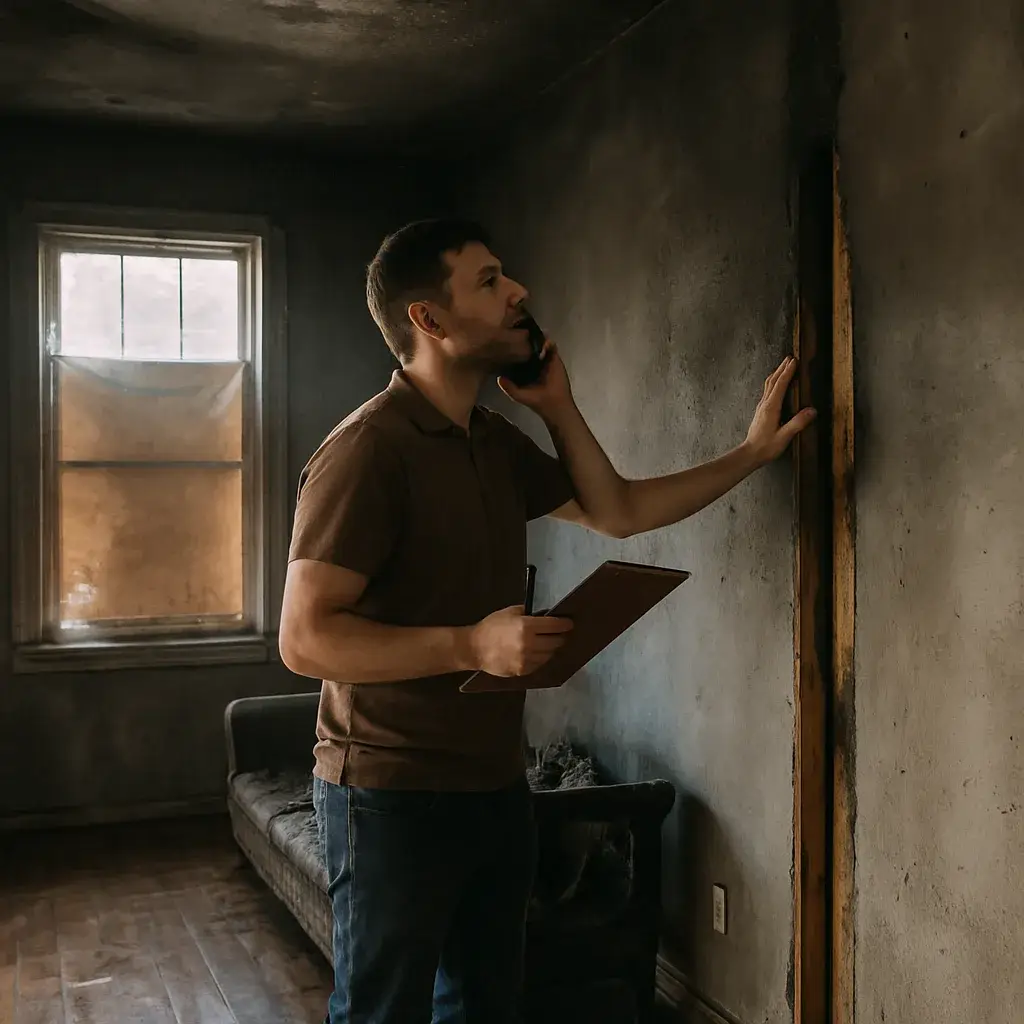
Here’s the thing most homeowners don’t expect: the visible burn area is rarely the whole story. We’ve walked through homes in Huntsville where the kitchen fire looked contained, but smoke had already traveled through the HVAC system into every bedroom. So the estimate isn’t just about the room that burned. It’s about everything the fire touched, directly or indirectly.
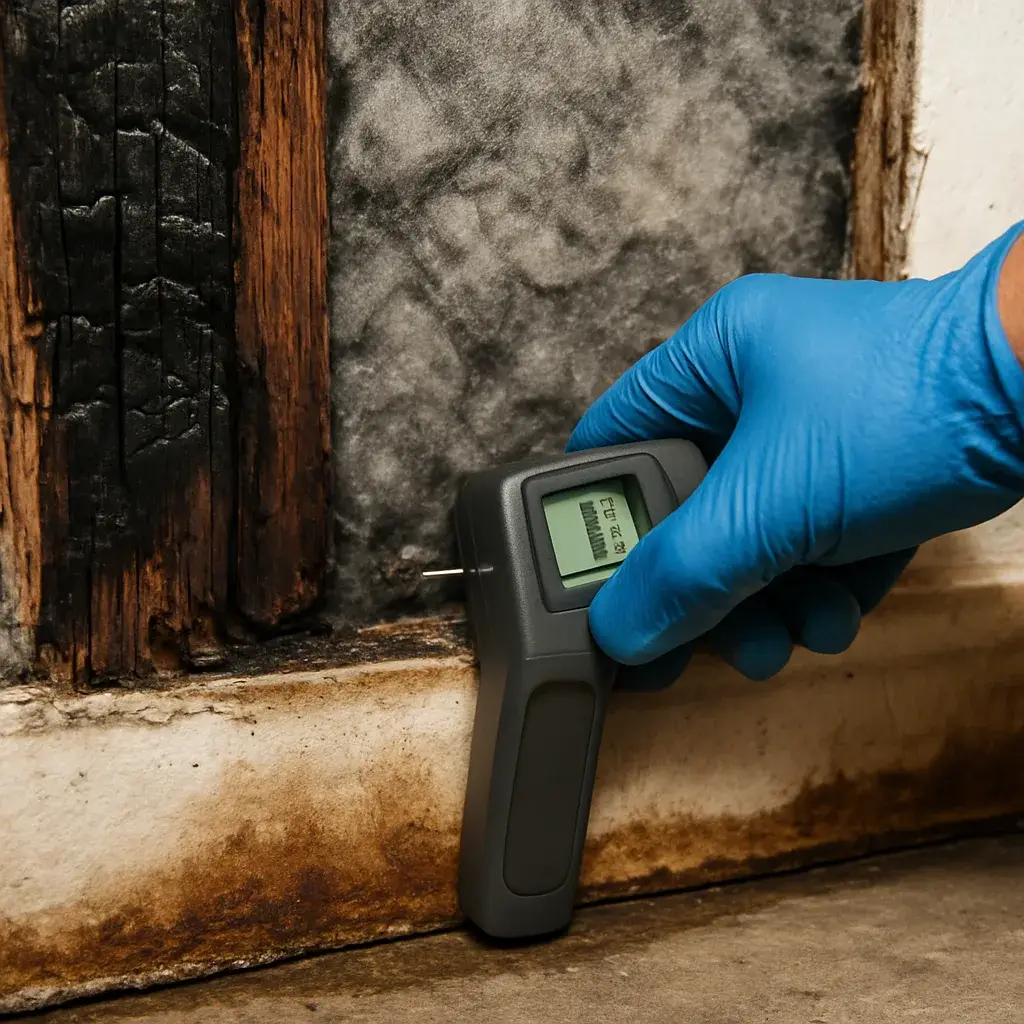
An estimator has to look at three separate layers of damage, and each one adds its own cost. Structural damage means burned framing, damaged roof trusses, or compromised load-bearing walls. Smoke damage means soot and odor soaked into drywall, insulation, and even hardwood floors. Water damage comes from the fire department’s hoses, and in Madison County’s humid summers, that water can cause mold within 24 to 48 hours if it’s not dried out fast, according to the EPA.
- How much of the structure needs rebuilding versus repairing
- How far smoke and soot traveled through the home’s air system
- How much water soaked into subfloors, drywall, and insulation
- Whether electrical, plumbing, or gas lines were compromised
- How old the home is and what materials were used originally
That last point matters more in Huntsville than people realize. So many homes across neighborhoods like Five Points and Blossomwood were built decades ago, and older wiring or plaster construction can complicate a repair estimate fast. A contractor might find damage behind a wall that wasn’t visible during the first walkthrough. And that’s when the estimate jumps, sometimes by a lot.
We see this mistake all the time. A homeowner gets one estimate, assumes it’s final, and starts making decisions based on a number that’s still incomplete. But fire damage estimates almost always evolve as contractors open up walls and test air quality. Most people don’t realize this until they’re already three weeks into a project with a bill that’s grown twice over.
Here’s a common example. Say a garage fire spreads into an attached mudroom. The first contractor quote only covers the visible burn damage. Once work starts, there’s soot in the attic insulation and water damage under the mudroom flooring. The project scope doubles. This kind of surprise is common, not rare.
So what’s the real takeaway here? Planning for these costs in 2026 means expecting the unexpected. If you’re trying to plan around a fixed number, you’re setting yourself up for frustration.
The Three-Party Estimate: Why Your Contractor and Insurer Give Different Numbers
Here’s something that surprises almost every homeowner we talk to after a fire. You’ll often get three different repair numbers for the same house. Your insurance adjuster says one thing. Your contractor says another. And if you hire a public adjuster, you might get a third figure entirely. We’ve watched Huntsville homeowners stare at three estimates spread across the kitchen table, not sure which one to believe.
None of them are necessarily wrong. They’re just answering different questions.
- The insurance adjuster’s estimate reflects what the policy will pay, based on their software and depreciation rules, not always the true cost to rebuild.
- The contractor’s estimate reflects real-world Huntsville labor and material costs, current permit requirements, and what it takes to pass inspection.
- A public adjuster’s estimate, if you hire one, often pushes for the highest defensible number to negotiate a bigger payout from the insurer.
So when you’re trying to figure out the real number for your home, understand this up front. You’re not looking for one true figure. You’re looking at three different lenses on the same damage.
Take a real scenario we see often around Madison County. A kitchen fire causes visible damage to cabinets and one wall. The adjuster’s initial estimate covers surface cleanup and cabinet replacement. But once a contractor opens the wall, they find scorched framing and smoke damage running into the attic insulation. Suddenly the real repair cost is double the adjuster’s first number. Now you’re stuck negotiating a supplement claim, which can take weeks or months.
This gap is exactly why so many fire-damaged homes sit unrepaired for months. Insurance moves slowly, contractors need a final scope before they’ll commit to a start date, and homeowners are stuck living somewhere else while the numbers get sorted out. Most people don’t realize this until they’re already three months into the process, still waiting on a supplement check.
There’s also the emotional cost nobody puts a number on.
And this is where a lot of Huntsville homeowners start asking a different question entirely. Instead of “how do I get these three estimates to agree,” they start asking “is there a way to skip this whole process.” If you’re facing a fire-damaged house and the repair math feels like it’s spiraling, selling the property as-is is a real option worth considering, one that doesn’t depend on adjusters and contractors ever reaching the same number.
Steps to Get an Accurate Fire Damage Estimate
Getting a real number takes more than one phone call. We’ve walked through fire-damaged homes all over Huntsville and Madison County, and the estimate always changes once someone opens the walls. So don’t trust a quick guess over the phone. Here’s the process we’ve seen work best for homeowners trying to figure out what they’re really facing.
- Document everything first. Walk through the home with your phone camera before any cleanup starts. Photos and video protect you during insurance claims and give contractors something solid to bid from.
- Get a fire restoration inspection. A licensed restoration company will check structural framing, electrical systems, and HVAC ductwork for smoke and heat damage that isn’t visible on the surface.
- Ask for a smoke and soot assessment separately. Smoke damage often spreads further than the fire itself, sometimes through the whole attic or crawl space. This gets missed in quick walkthroughs.
- Request a mold and moisture check. Water from firefighting efforts sits in walls and subfloors. In Huntsville’s humid summers, that moisture turns into mold within 48 hours if it’s not addressed.
- Compare at least two contractor bids. Costs vary a lot depending on how the contractor handles demo, disposal, and code-required upgrades.
- Ask your insurance adjuster for their written estimate. Compare it against the contractor bids. Gaps between these numbers are common and worth understanding before you commit to anything.
Here’s something most people don’t realize until it’s too late: an estimate written in week one almost never matches the final invoice. We’ve seen homeowners get a $40,000 quote that turned into $75,000 once the contractor found charred framing behind drywall that looked fine from the outside. That’s not anyone trying to overcharge you, it’s just how fire damage works. Heat travels through walls in ways you can’t see until someone opens them up.
This is exactly why so many owners decide the math doesn’t work. Rebuilding takes months, contractors are backed up across Madison County right now, and the final cost keeps climbing the longer the inspection goes on. If you’re staring at a growing list of repairs and wondering whether it’s even worth it, that’s a normal reaction, not a failure on your part.
Frequently Asked Questions
Fire damage is almost always worse than what you see on the surface. Smoke can travel through HVAC systems into rooms far from the flames, and water from firefighting efforts can soak into subfloors and walls. In Huntsville’s humid summers, that trapped water can grow mold within 24 to 48 hours, according to the EPA. A contractor often finds hidden damage once walls are opened. That’s why early estimates tend to grow as the real scope comes into view.
These two numbers answer different questions, so they rarely match. Your adjuster’s estimate reflects what your policy will pay, based on depreciation rules and standard software. Your contractor’s number reflects real Huntsville labor costs, current permit rules, and what it takes to pass inspection. Neither one is wrong. You’re just looking at two lenses on the same damage, and understanding that gap helps you plan instead of feeling stuck.
Yes, older homes often cost more to estimate accurately. Many houses in neighborhoods like Five Points and Blossomwood have older wiring or plaster construction that complicates repairs. Contractors sometimes find damage behind walls that wasn’t visible during the first walkthrough, especially in homes built decades ago. This is one reason estimates for older Huntsville homes tend to shift once work begins.
A supplement claim is a request to your insurer for more money after the real damage costs more than the first estimate. This happens often once a contractor opens a wall and finds scorched framing or smoke damage the adjuster never saw. Supplement claims can take weeks or months to resolve, which leaves many Madison County homes sitting unrepaired while everyone waits on paperwork.
Yes, this happens more often than most homeowners expect. A garage fire that spreads into an attached mudroom, for example, might only show visible burn damage at first. Once work starts, soot in attic insulation or water damage under flooring can double the project scope. If you’re facing this kind of unpredictable repair math, it helps to understand how to estimate fire damage repair costs in Huntsville before committing to a rebuild timeline.
Yes, selling your fire-damaged house as-is is a real option. Many Huntsville homeowners get tired of waiting on adjusters, contractors, and supplement claims to line up. Selling as-is means you don’t have to wait for three separate estimates to agree before moving forward with your life.
- We Buy Houses As-Is
- Locally Owned and Operated
- 30 Years Buying Houses in Madison County
- Fair Cash Offers, No Obligation
Related Help for Huntsville Homeowners
If this sounds like your situation, these pages can help:
- We buy fire-damaged houses in Huntsville
- How Does Fire Insurance Pay Out? A Huntsville Homeowner’s Guide
- What to Do After a House Fire in Huntsville: The First 30 Days
- Can You Get a Mortgage on a Fire-Damaged Property in Huntsville?
- How to Get a House Declared Uninhabitable: Step-by-Step Guide (2026)
- How our home buying process works