Can You Get a Mortgage on a Fire-Damaged Property? What Huntsville Buyers Need to Know
Why Lenders Hesitate on Fire-Damaged Homes
A mortgage is really a bet. The lender hands over a big chunk of money. The house is their safety net. If you stop paying, they take the home and sell it to get that money back. So what happens when the house itself is the problem?
A burned house is a shaky safety net.
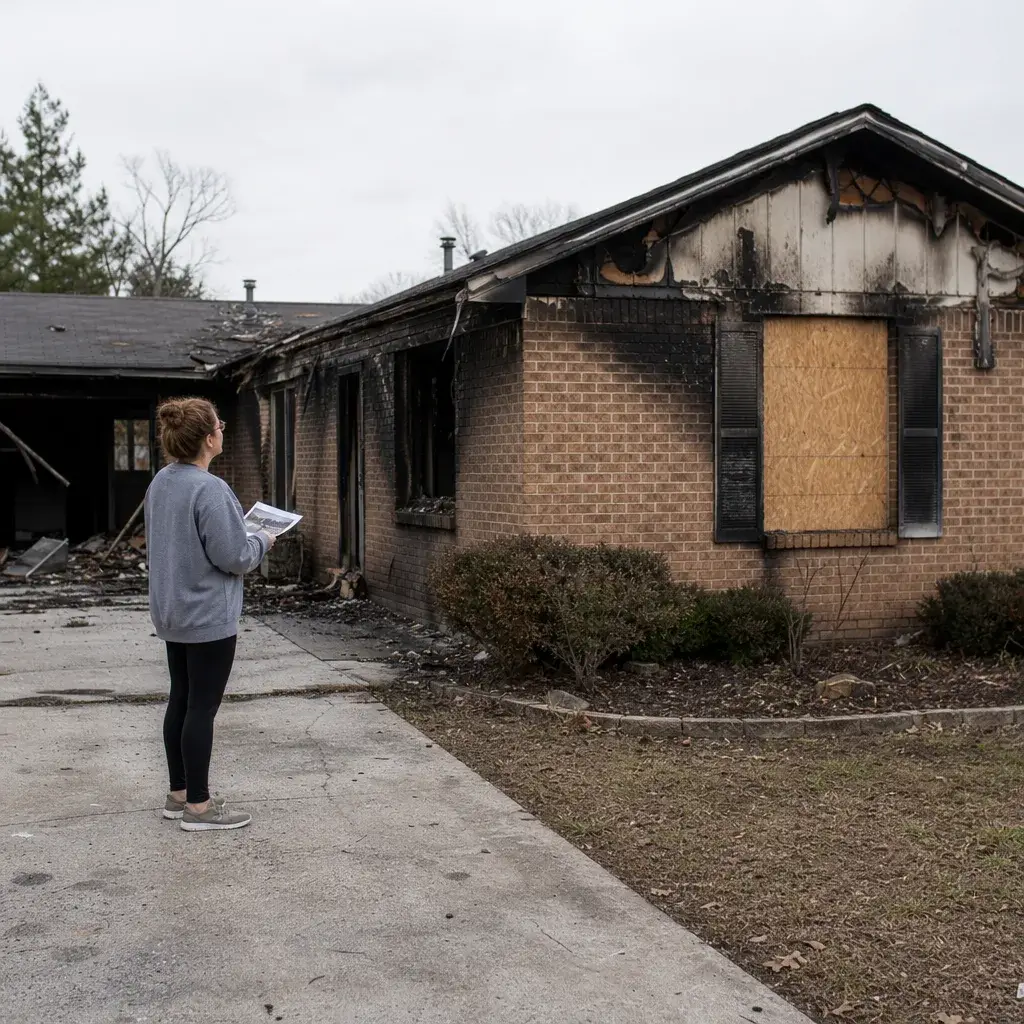
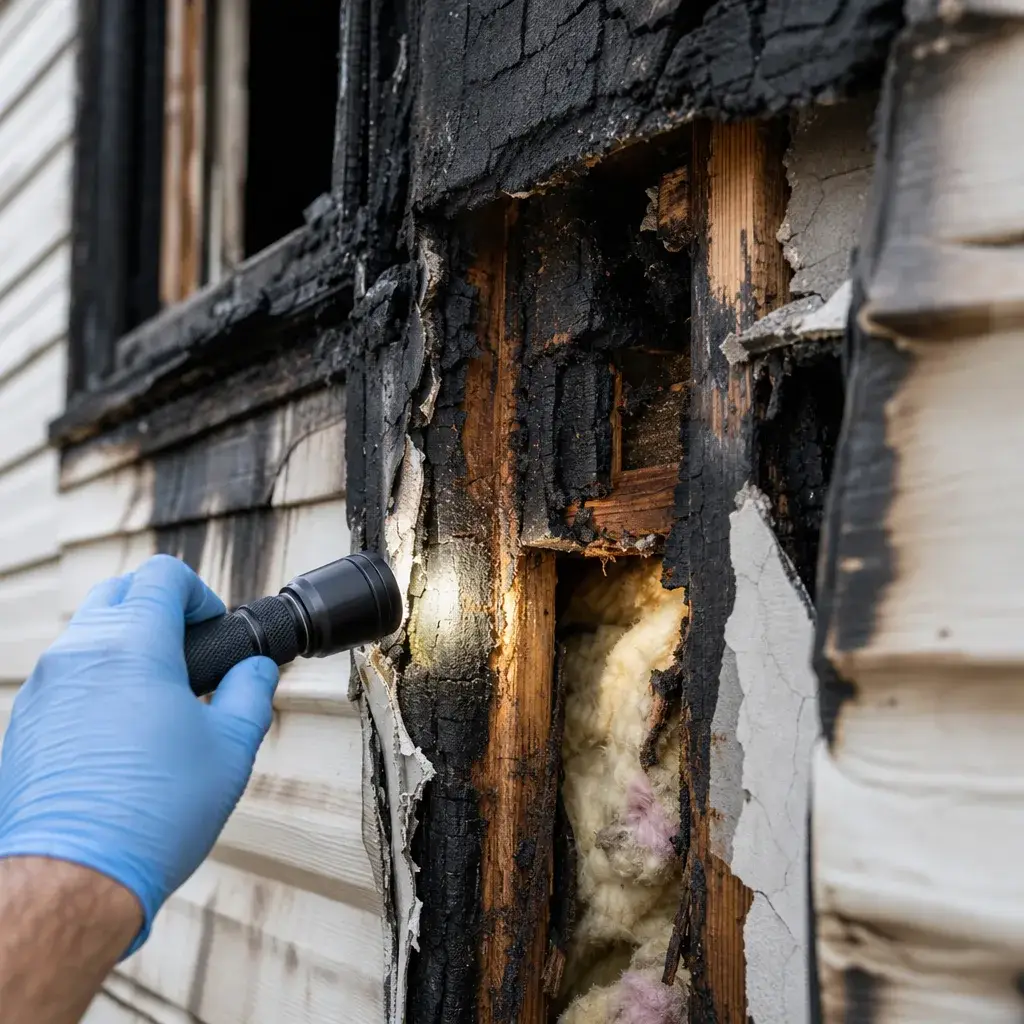
Fire doesn’t just blacken walls. Heat travels through framing and wiring in ways you can’t see from the hallway. Smoke works its way into ductwork and insulation. Water from fire hoses soaks floors and subfloors. Mold can show up weeks later. A lender can’t put a value on damage nobody can measure yet.
Here’s what usually makes an underwriter pump the brakes. We hear some version of these from buyers all the time.
- The appraiser marks the home as unsafe or not livable.
- Heat reached the wiring or the electrical panel.
- There’s burn-through in the roof, so rain gets inside.
- Soot and smoke smell still linger in the vents and drywall.
- Power and water are shut off, and nobody can test the systems.
Any one of these can stall a loan, two or three together usually stop it cold.
Government-backed loans are the strictest. FHA and VA loans follow minimum property standards. The home has to be safe and secure before closing. Conventional loans give a little more room. But the appraiser still has to sign off. And if the appraisal comes back marked subject to repairs, that work has to be done first. Who pays for repairs on a house you don’t even own yet?
We walked a house in Blossomwood that looked fine from the street. Inside, a kitchen fire had cooked the wiring behind two rooms. The buyer’s lender pulled out after the appraisal, the seller called us the same week. We see this a lot in Huntsville. Many older homes around Five Points and Blossomwood still have original wiring, and fire is hard on it –
Insurance is the other snag. Lenders want a homeowners policy in place before they fund the loan. Many insurers won’t write a new policy on a home with open fire damage. No insurance means no loan. Simple as that.
None of this means the deal is dead. It just means a regular mortgage may not be the right tool. Knowing why lenders say no helps you pick a better path.
What Appraisers and Underwriters Look For
Here’s the thing most buyers miss. The bank isn’t lending you money for a house. It’s lending against the house. If you stop paying, the home is the lender’s safety net. So the appraiser and the underwriter both ask one simple question: is this property worth the loan, and can it be sold if things go wrong?
A fire makes that question hard to answer.
The appraiser goes first. They walk the home, take photos, and rate its condition. For government-backed loans, HUD’s FHA rules say a home must be safe, sound, and secure before the loan can close. Conventional lenders use a similar idea. Homes get a condition score, and the worst scores usually can’t be financed as they stand.
So what pulls a fire-damaged home into that bottom tier? It’s usually a mix of these:
- Charred or weakened framing, joists, or roof trusses
- A roof with holes or burn-through that lets water in
- Wiring that melted or can’t be trusted to carry power safely
- Heavy smoke and soot left in walls, ducts, and insulation
- Utilities that are shut off, so nothing can be tested
Any one of those can stop a loan. Two or three almost always do.
Next comes the type of appraisal. An as-is appraisal values the home in its current, damaged state. A subject-to appraisal values it as if certain repairs were already finished. That sounds helpful. But the lender then wants those repairs done before closing, and the seller rarely has the cash or the time to do them.
Then the underwriter takes over. Their job is the paperwork side of risk. They want to see that the home can be insured, the value supports the loan amount, and the repair plan is realistic. Many insurers won’t write a standard policy on a home with open fire damage, no insurance means no loan. It’s a chain, and every link has to hold.
We see this play out in Huntsville more than you’d think.
That’s the part that hurts. Not the no. The time lost getting to it.
And it’s not always the big, obvious damage that does it. A home can look fine from the street and still fail on what’s behind the drywall. The smell alone has tanked appraisals we thought would pass. Older Huntsville homes with original wiring or wood framing tend to get extra scrutiny after a fire, the inspector wants to see it all –
This is exactly why fire-damaged house buying in Huntsville often happens with cash instead of a mortgage. A cash buyer doesn’t need an appraiser’s approval or an underwriter’s sign-off. The home can sell in its current shape, smoke and all.
Repair First, Alternative Loan, or Sell As-Is: A Scenario Breakdown
So what do you do with a fire-damaged house? You’ve got three real paths. Each one fits a different level of damage and a different kind of person. We’ve walked Huntsville families through all three, and the right choice usually comes down to how bad the damage is.
Repair first works best when the damage is light. Think smoke stains in one room or a scorched kitchen wall. The owner fixes the problems before listing. Then a buyer can use a regular loan because the home looks safe and livable again. Appraisers and inspectors want to see working wiring and a sound roof. They also look for clean air with no smoke smell.
But repairs take time and cash up front. Bigger electrical or structural work in Huntsville needs city permits and inspections. That can stretch a project out for months. And if a contractor finds hidden damage behind the drywall, the plan changes fast.
An alternative loan is the middle path. Renovation loans like the FHA 203(k) or Fannie Mae HomeStyle let a buyer roll repair costs into the mortgage. The buyer gets one loan for the house and the fixes. It sounds simple. It isn’t always.
Lots of paperwork. Lenders want detailed contractor bids before closing. Money for repairs gets paid out in stages after inspections.
Selling as-is is the fastest path when the damage is heavy. If the roof is gone or the framing is charred, most lenders won’t approve any loan on it. That leaves cash buyers as the realistic option. A cash sale skips the appraisal and the lender’s repair rules.
Here’s a quick way to figure out which path fits you:
- Get a contractor or inspector to look at the damage and tell you if it’s cosmetic or structural.
- If it’s mostly smoke and surface damage, repairing first is often worth it.
- If it’s moderate and you have a buyer with time and patience, a renovation loan can work.
- If the structure, roof, or wiring took a big hit, talk to a cash buyer.
- Think about your timeline and stress level before you commit to months of repairs.
That last step matters more than people expect. We see owners in south Huntsville pour money into repairs while still paying a mortgage on a house nobody can live in. It wears them down.
No path is wrong. Some are just a lot harder than they need to be –
Frequently Asked Questions
Yes, but only if the home meets basic safety standards first. FHA and VA loans require the house to be safe, sound, and livable before closing. Conventional loans give a little more room, but an appraiser still has to approve the condition. If wiring, the roof, or structure were hit hard, most lenders will pause the loan until repairs are done. That’s why many Huntsville sellers choose a cash sale instead of waiting on bank approval.
Not always, but you need to know what’s hidden behind the walls. Heat can travel through framing and wiring without leaving visible marks in the hallway. A home that looks fine from the street can still fail an inspection. Get a full inspection of wiring, framing, and ductwork before you commit. If the damage is minor and properly repaired, the home can be a solid buy. If it’s extensive, financing and insurance both get harder to secure.
Yes, a house typically loses value after a fire, especially if damage reaches the structure or wiring. Appraisers rate homes on condition, and fire damage usually drops that score fast. Smoke smell, soot in the ducts, and burned framing all count against the home, even if the damage looks cosmetic. The amount of value lost depends on how much repair work is needed and whether utilities can be safely tested again.
Yes, most fire damage can be repaired, but the cost and time depend on how deep it goes. Surface damage like soot and smoke smell is easier to fix than burned framing or melted wiring. Older Huntsville homes near Five Points and Blossomwood often have original wiring, so inspectors look closely at electrical systems after a fire. Full repairs can take weeks or months, which is why many owners choose to sell as-is instead of repairing first.
Many older homes around Five Points and Blossomwood still have original wiring and wood framing, and fire is harder on these materials. Inspectors and appraisers look closer at these homes because older wiring can hide heat damage that’s not visible from the surface. This extra scrutiny often slows down or stops traditional financing. If you’re weighing your options on a fire-damaged home in one of these neighborhoods, it helps to understand how fire-damaged house buying in Huntsville works before you list or make an offer.
Check whether the utilities are on, the roof is sealed, and every room can be safely walked. If any of those answers is no, a traditional mortgage will likely stall at the appraisal stage. Lenders also need a homeowners insurance policy in place before funding, and many insurers won’t write one on a home with open fire damage. Knowing these three things upfront saves you weeks of waiting on a loan that may never close.
- We Buy Houses As-Is
- Locally Owned and Operated
- 30 Years Buying Houses in Madison County
- Fair Cash Offers, No Obligation
Related Help for Huntsville Homeowners
If this sounds like your situation, these pages can help:
- We buy fire-damaged houses in Huntsville
- Can Fire Damage Be Fully Repaired? What Huntsville Homeowners Need to Know
- Cost to Renovate a Burnt House in Huntsville (2026 Breakdown)
- How to Estimate Fire Damage Repair Costs in Huntsville (2026)
- How to Get a House Declared Uninhabitable: Step-by-Step Guide (2026)
- How our home buying process works