The Most Common Code Violations in Huntsville, AL (2026 List)
What Counts as a Code Violation in Huntsville
The Most Common Code Violations in Huntsville, AL (2026 List) starts with one basic idea. A code violation is any way a property falls short of the standards set by the City of Huntsville. These standards exist to keep neighborhoods safe. They cover the structure of your home, the systems inside it, and even how your yard looks from the street.
Huntsville uses building codes and property maintenance codes together. Building codes apply mostly to new construction or big renovations. Property maintenance codes apply to homes that already exist, no matter how old they are. So if you own an older home in a neighborhood like Five Points or Lincoln Mill, the property maintenance code is probably what affects you most.
We’ve talked with homeowners who had no idea their property was out of compliance until a neighbor complained or an inspector showed up. It happens more than people think.
- Structural issues, like a sagging roof, unstable porch, or crumbling foundation
- Electrical or plumbing problems that create safety hazards
- Overgrown grass, weeds, or brush above the city’s height limit
- Junk, debris, or inoperable vehicles stored on the property
- Peeling exterior paint, broken siding, or damaged windows
Some violations are obvious, like a collapsed carport or a fire-damaged wall. Others are quieter. A slow roof leak. Old wiring that hasn’t been touched in decades. These slower problems tend to sneak up on owners, especially with inherited homes or houses that sat vacant for a while.
Madison County’s climate plays a role too. Humidity and heavy spring rain can speed up wood rot and mold growth. This means homes here can develop violations faster than in drier climates. That’s just something we’ve noticed after years of walking through properties across the area.
It’s worth asking yourself a simple question. Has anyone inspected your property in the last few years? If the answer is no, you might be closer to a violation than you realize.
Not every issue is a full-blown violation. But if a problem affects safety, sanitation, or the basic upkeep of the property, it likely falls under city code. And once a violation is on record, it usually needs to be fixed before you can sell the home the traditional way.
The Most Common Violation Categories Homeowners Face
Not all code violations are the same. Some are small paperwork issues. Others point to real safety problems. After buying dozens of houses across Huntsville and Madison County, we’ve seen almost every kind of violation there is. Here’s how we sort them out in our own heads when we walk through a property.
Most violations fall into a handful of buckets. Once you know which bucket you’re in, it’s a lot easier to figure out your next move.
- Structural and safety issues, like a sagging roofline, rotted porch steps, or a foundation crack that’s letting water in
- Electrical problems, including outdated wiring, missing breaker panel covers, or DIY work done without a permit
- Plumbing violations, such as illegal sewer connections, leaking pipes, or fixtures installed without inspection
- Overgrown yards and exterior neglect, including tall grass, junk cars, or abandoned pools that draw city notices
- Unpermitted additions, like a converted garage or a deck built without pulling a permit first
- Hoarding-related conditions, where clutter blocks exits or creates fire and pest hazards
Structural issues tend to scare people the most, and, they should get your attention. A foundation problem in an older Huntsville home near Five Points or Blossomwood can start small. But water finds its way in every rainy season, and the damage adds up fast.
Electrical and plumbing violations are sneakier. You might not notice them at all until an inspector or appraiser flags them during a sale. We’ve walked into homes where the seller had no idea a previous owner ran wiring without a permit twenty years ago.
Overgrown yards and exterior neglect are the most common category we see, especially with vacant or inherited properties. If nobody’s mowing the lawn or checking on the house, Huntsville code enforcement usually notices before long.
Unpermitted additions catch a lot of people off guard, too. Maybe a family member finished the basement years ago without pulling a permit. That’s a violation waiting to surface, and it usually surfaces at the worst possible time, like during a home sale.
Hoarding-related conditions are tough. They’re emotional, they’re personal, and they often involve years of buildup. We never judge a homeowner for this. We’ve seen it plenty of times, and we know it usually comes from grief, illness, or just life getting overwhelming.
So which category does your house fall into? Maybe it’s more than one.
Here’s the thing we want you to walk away with: none of these categories make your house unsellable. They just change how you sell it. If you’re staring down a violation notice and dreading the repair list, we buy houses with code violations exactly as they sit, no fixes required on your end.
Minor Fix vs. Bigger Problem: How to Tell the Difference
Not every citation means you’re in trouble. Some violations are simple, cheap, and done in a weekend. Others are warning signs of something much bigger hiding behind the walls or under the house. Knowing the difference matters, especially if you’re trying to decide whether to fix it yourself, hire someone, or just sell the house as-is.
We’ve walked through hundreds of Huntsville properties over the years, and there’s a pattern. Small, isolated problems usually stay small. But when a violation shows up alongside other signs of neglect, it’s rarely alone.
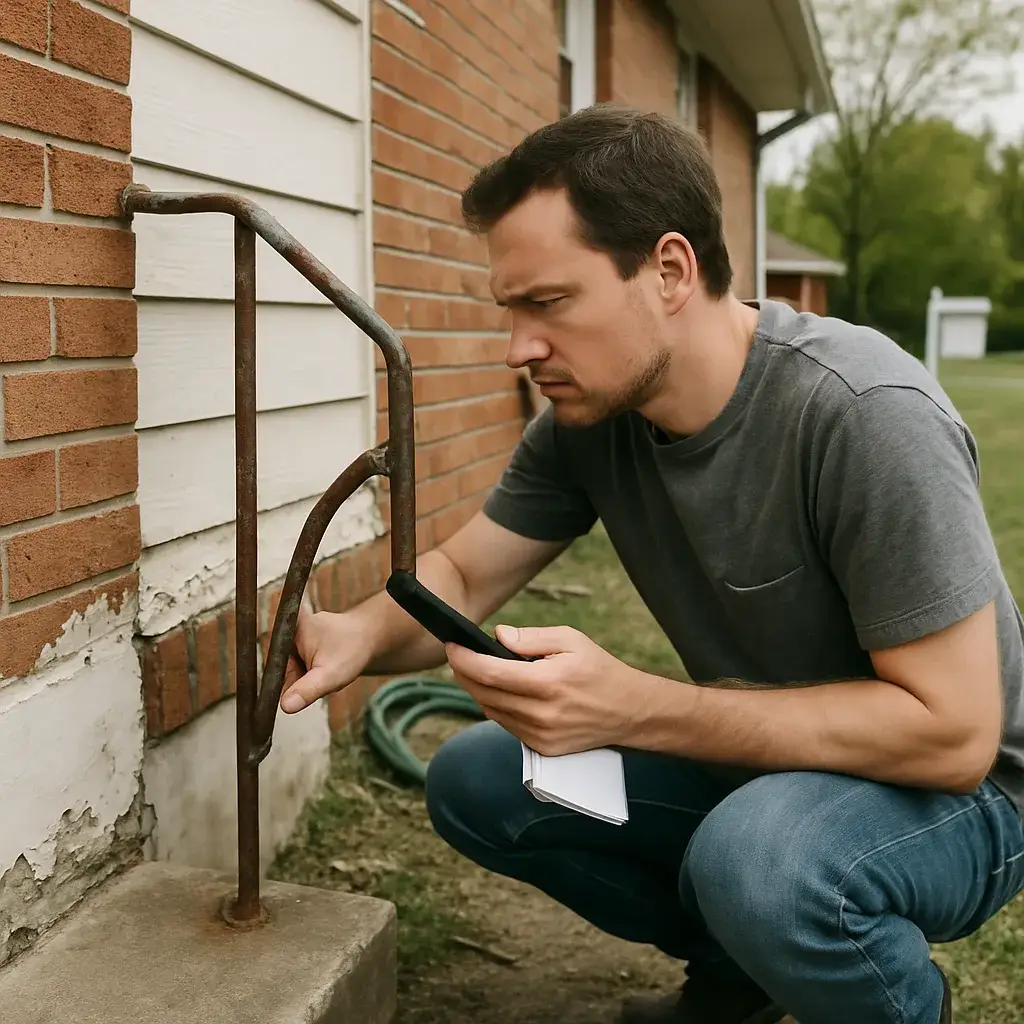
- Minor fix: A missing smoke detector, a cracked handrail, or overgrown grass past the city limit
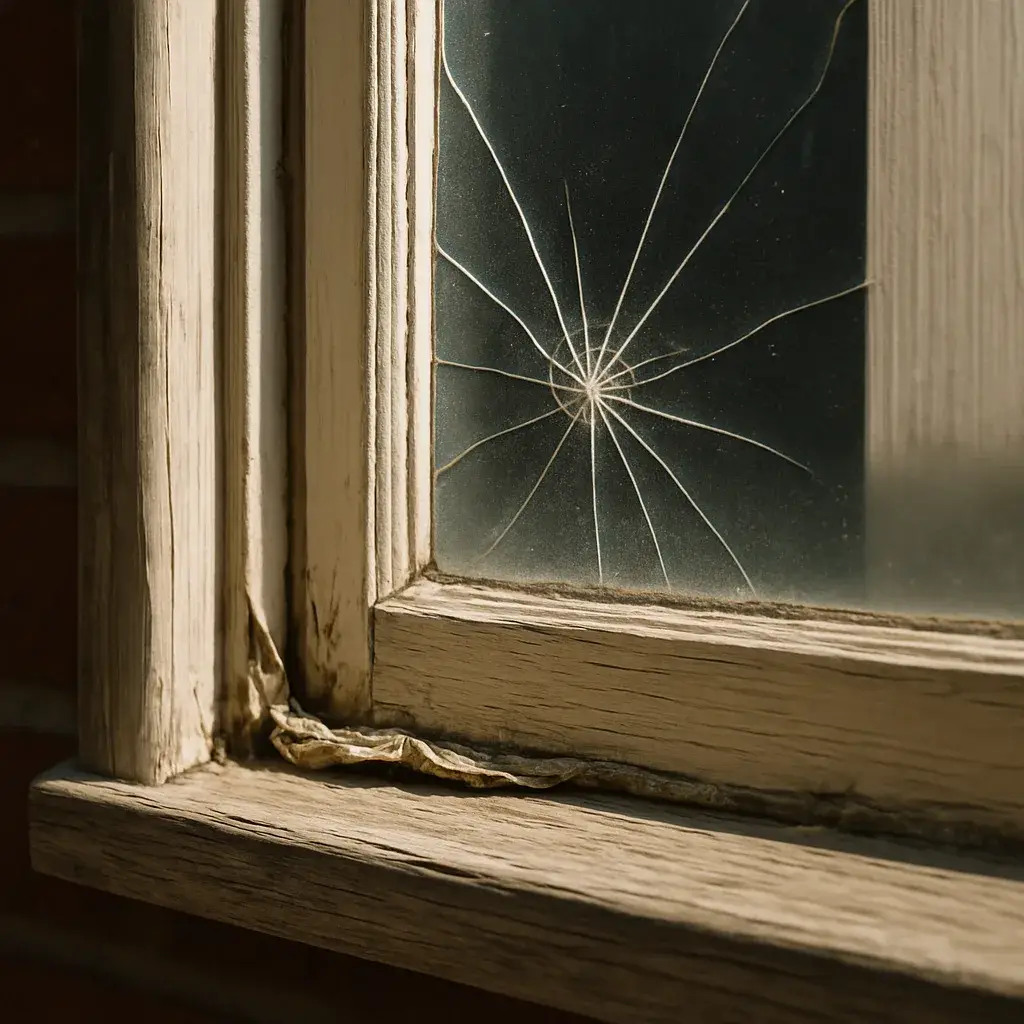
- Minor fix: A single broken window or a loose gutter that hasn’t caused water damage yet
- Bigger problem: Sagging rooflines, which often mean rotted framing underneath
- Bigger problem: Electrical violations paired with an outdated panel, common in older Huntsville homes near Five Points and Twickenham
- Bigger problem: Foundation cracks combined with uneven floors, especially in homes built before 1980
Here’s a quick way to think about it. If the violation is something you can see and touch in one spot, it’s usually minor. If it’s connected to the bones of the house, the roof, the foundation, or the electrical system, it’s probably bigger than it looks.
So how do you tell? Ask yourself if the problem has been getting worse over time, or if it just showed up. A stuck gutter is annoying. A gutter that’s been stuck for three years, causing water to pool against the foundation, is a different story.
This is exactly why we always tell people not to guess. A quick inspection can save you months of stress.
If you’re staring at a violation notice and you’re not sure which category it falls into, don’t stress about figuring it out alone. Reach out and tell us what’s going on. We’ll walk you through what we see and give you a straight answer, no pressure and no obligation.
Frequently Asked Questions
You can usually tell by asking if the issue is isolated or connected to a bigger system. A cracked window pane or overgrown grass is a quick fix. But a sagging roofline or old wiring often points to hidden damage behind walls or under the house. If you’re unsure, it’s smart to have someone walk the property with you before deciding your next step.
Yes, not knowing about a violation doesn’t protect you from fines or notices. Huntsville code enforcement can still issue a citation even if you inherited the home or bought it without an inspection. This is common with older homes near Five Points or Lincoln Mill, where past owners may have skipped permits. It’s worth checking your property’s history early so nothing catches you off guard later.
Yes, Madison County’s humidity and heavy spring rain speed up wood rot and mold growth. This means homes here can develop violations faster than houses in drier climates. A small roof leak that might sit quietly for years elsewhere can turn into a real structural problem in just one or two rainy seasons here in Huntsville.
Not always, but most traditional buyers and lenders will require repairs before closing. If a violation is on record, it usually needs to be fixed before you can sell the home the traditional way. That’s why some homeowners choose a different path when they’re not ready or able to make repairs themselves.
Building codes mostly apply to new construction or major renovations, while property maintenance codes apply to homes that already exist. If you own an older home in Huntsville, the maintenance code is usually what affects you most. It covers things like exterior upkeep, safety hazards, and general wear that builds up over time.
Not always, but they can still cause problems down the road. A finished basement or converted garage built without a permit might look fine on the surface. The issue usually surfaces during a home sale or appraisal, when it’s flagged as unpermitted work. If you’re dealing with this kind of surprise, our parent page on selling houses with code violations explains what your options look like.
- We Buy Houses As-Is
- Locally Owned and Operated
- 30 Years Buying Houses in Madison County
- Fair Cash Offers, No Obligation
Related Help for Huntsville Homeowners
If this sounds like your situation, these pages can help:
- We buy houses with code violations in Huntsville
- What Is a Code Violation Notice in Huntsville, AL? (2026 Explainer)
- What Are Code Violations in Real Estate? A Huntsville, AL Guide
- Why Would Code Enforcement Come to Your House in Huntsville? Top Reasons
- Why Do Vacant Houses Deteriorate So Quickly? A Huntsville Owner’s Guide (2026)
- How our home buying process works