
How to Prove a Property Is Legally Vacant: A 2026 Guide for Huntsville Owners
What "Legally Vacant" Means
“Vacant” means different things to your insurance company, your lender and the City of Huntsville. Each one has its own test, and getting it wrong can cost you coverage or bring a code notice. After 30 years buying houses in Madison County, we’ve seen owners trip on all three.
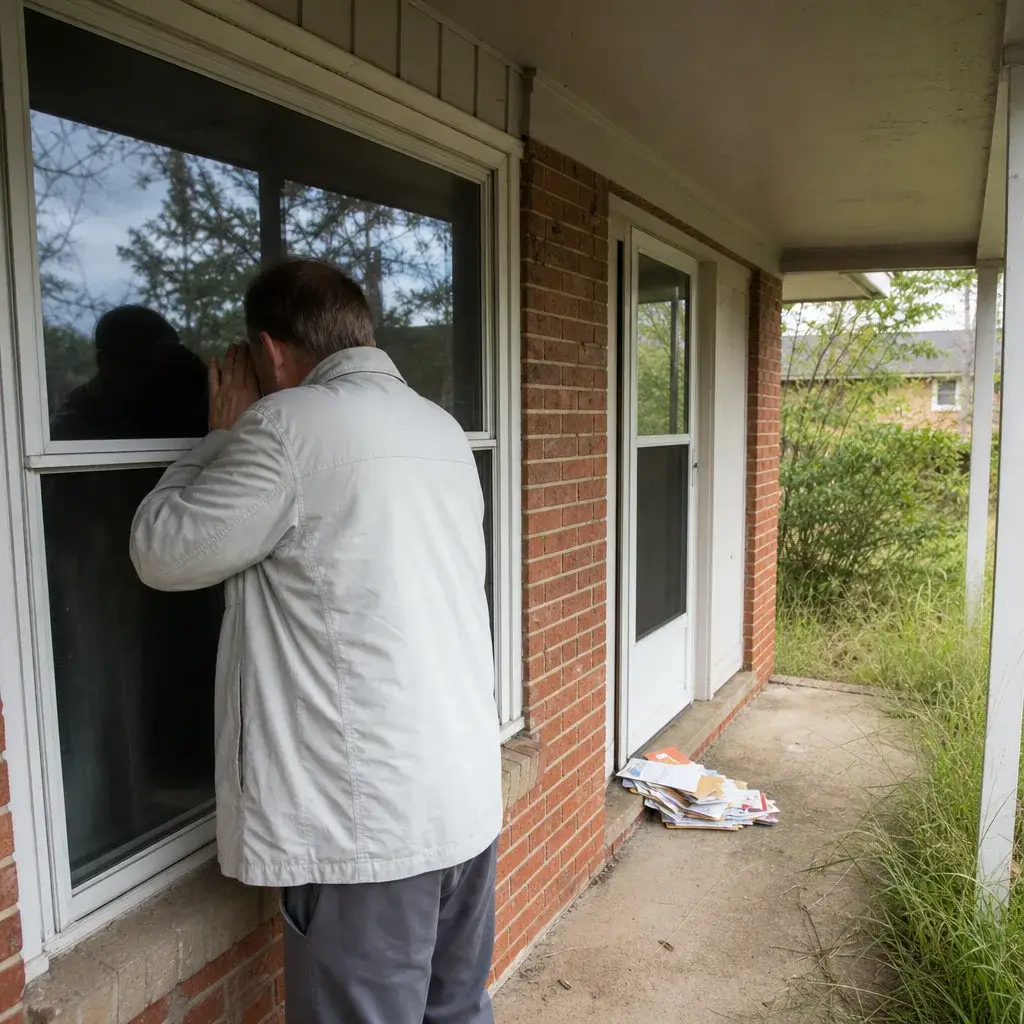
In plain terms, a legally vacant property has no one living there. It also has little or no furniture and personal stuff inside. Think bare rooms. No beds, no clothes in the closet, no food in the fridge.
So how is that different from a house that’s just sitting quiet?
Vacant vs unoccupied is where most folks get tripped up. An unoccupied house still has belongings in it. Maybe the owner moved into assisted living. Maybe they’re working out of state for a few months. The couch is still there, the dishes are still in the cabinet, nobody’s sleeping in the bed. A vacant house is empty of people and empty of things.
Abandoned is a whole other word. It usually means the owner has walked away and stopped caring for the place. Bills go unpaid. The yard grows wild. That label can bring code trouble with the city, and it’s not where you want to end up.
Here’s the tricky part. There’s no single rulebook that every group follows. Each one looks at vacancy through its own lens.
- Your insurance company cares about how long the house has been empty. Many policies change coverage once a home sits vacant past a set number of days, so read yours closely.
- The City of Huntsville cares about upkeep and safety. Tall grass, broken windows, or open doors can draw code enforcement attention.
- Your mortgage lender may have rules about keeping the home occupied or reporting a change.
- Utility companies look at usage. Very low water and power use is often a sign no one lives there.
- A buyer or title company wants to know nobody has a right to stay. That includes tenants, family members, or squatters.
Each of those groups may ask for different proof. And that’s why it helps to know the meaning before you start gathering paperwork.
We see this mix-up all the time in our vacant house buying work around Huntsville. Last year we met a woman who’d inherited her dad’s brick ranch near Five Points. She’d moved out most of his things, but a few boxes and an old recliner were still in the den. She called the house vacant. Her insurance agent didn’t see it that way, and her claim on a small leak got messy fast.
Those few leftover items made a real difference.
Our tip from the field is simple. Before you call a house vacant, walk it like a stranger would. Open closets. Check the garage and the attic. Look for anything that suggests someone could still be living there, or that someone might come back for their stuff –
Once you know which kind of vacant you’re dealing with, proving it gets a lot easier. You’ll know who needs to be convinced. You’ll know what they’ll want to see. And you won’t waste time chasing the wrong documents.
Documents and Evidence That Prove Vacancy Status
Saying a house is empty isn’t the same as proving it. Buyers, title companies, and insurers want paper. And they want it to tell the same story from every angle.
The good news? Most of this proof already exists. You just have to collect it.
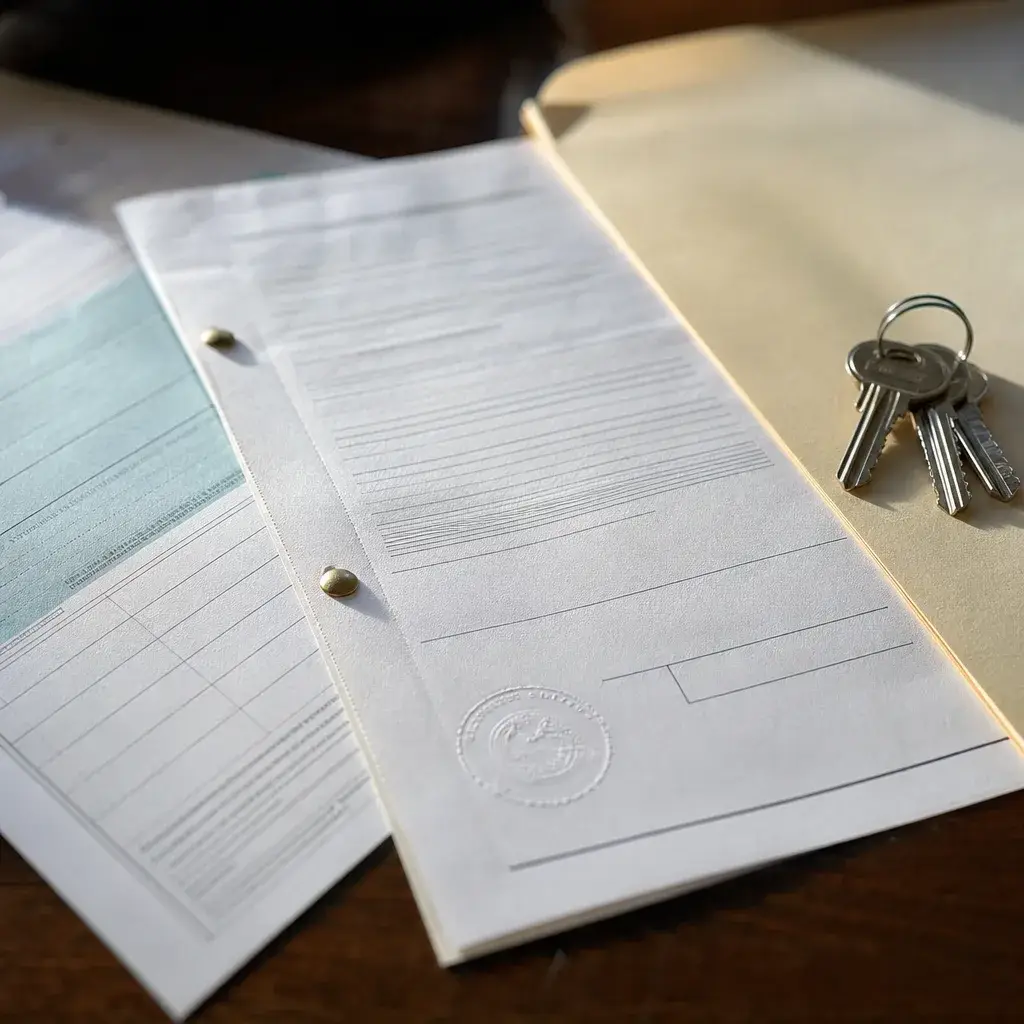
We’ve walked through a lot of empty houses around Huntsville. The owners who move fastest are the ones who show up with a simple folder. Nothing fancy. Just the right papers in one place.
These are the records that do the most work for you:
- Utility usage records showing little or no power and water use for several months
- A USPS change of address or mail forwarding confirmation for the last occupant
- Dated photos and video of every room, closet, and outbuilding with no belongings inside
- A signed lease termination, move-out notice, or key return receipt if a tenant lived there
- A notarized affidavit of vacancy that states when the last person moved out
- A court writ of possession if an eviction was needed to clear the home
Utility records are often the strongest piece. Low usage is hard to fake. You can ask your provider for a usage history on the account. A flat line of near-zero water use tells a buyer nobody’s showering or cooking there.
Photos come next. Take them in daylight with the date showing on your phone. Shoot the attic, the garage, and any shed out back. We see this mistake all the time, people photograph the living room and skip the basement. Then a box of someone’s things turns up at closing.
One caution.
If a tenant or family member ever lived there, paper from them matters most. A signed move-out note beats any photo. Without it, a buyer may worry that person could come back and claim a right to stay. That fear alone can stall a sale for weeks.
Here’s a real example. A woman inherited her dad’s house near Five Points. Her brother had stayed there for a while after the funeral, then moved across town. She knew the home was empty. But she had nothing in writing from him. We helped her get a short signed statement with his move-out date, it took one afternoon. That single page cleared the way.
So what about a house that’s been empty for years? Those can be easier. Long gaps in utility use and a stack of old forwarding records speak for themselves. Still, an affidavit ties it all together in a way a buyer can trust.
This folder is the backbone of selling a vacant house fast in Huntsville. When your proof is clear, there’s less back and forth. Fewer surprises. And a much shorter road to closing.
Don’t stress if you’re missing a piece or two. Most owners are. We can usually tell you which gap matters and which one doesn’t – but it helps to start with what you’ve got.
Unoccupied vs. Vacant: Why the Difference Matters for Insurance
Most people don’t learn this until they file a claim. To your insurance company, “unoccupied” and “vacant” aren’t the same thing. And the gap between those two words can cost you real money.
An unoccupied home still has your stuff in it. Beds, dishes, clothes, a couch. Nobody’s sleeping there right now, but someone could move back in tomorrow. Think of a snowbird who spends winter in Florida. Or a parent who’s in rehab for a few months after surgery.
A vacant home is different. It’s empty of people and empty of the things people need to live there. No furniture. No stocked kitchen. Maybe a few boxes in the garage, that’s about it.
That’s why proving a property is legally vacant often starts with your insurance policy.
Many standard homeowners policies have a vacancy clause. It usually kicks in after the home sits vacant for 60 days in a row. Some policies use 30 days instead. Your declarations page and policy wording will spell out the exact rule.
Once that clock runs out, your coverage can shrink fast. Here’s what policies commonly limit or drop for a vacant home:
- Vandalism and malicious mischief
- Broken windows and glass
- Theft, including stripped copper pipe or wiring
- Water damage from pipes that freeze and burst
- Leaks from plumbing or sprinkler systems
Fire coverage may stay in place. But some policies cut the payout on that too. Read the exclusions section closely, it’s where the surprises hide.
We worked with a family near Five Points who learned this the hard way. Their mom moved into assisted living in the spring. By summer they’d cleared out her furniture to get the house ready. Nobody called the insurance company. Then a January cold snap split a pipe under the kitchen sink. The claim was denied because the house had been vacant for over five months.
Huntsville doesn’t get many hard freezes. But it only takes one night in the teens –
So how do you protect yourself? These are the steps we walk sellers through:
- Call your agent the day the home becomes empty. Give them the exact date.
- Ask about a vacancy permit or endorsement. If they can’t add one, ask about a separate vacant home policy.
- Keep a visit log. Write down the date, take photos, and note what you checked.
- Winterize the house. Shut off the water main, drain the lines, and keep the heat at a low setting.
- Save your utility bills. Low water and power use helps show the home’s true status.
Those records do double duty. They keep your insurer in the loop. And they back you up if a lender, a court, or a buyer asks you to prove the home is vacant.
We always tell owners to start that file early. Building it after something goes wrong is a lot harder. Trust us, we’ve seen people try.
See how we buy vacant houses in Huntsville. Related guides: Vacant House Insurance Costs · Why Vacant Houses Deteriorate
Vacant Houses and Huntsville Code Enforcement
The City of Huntsville doesn’t treat an empty house differently when it comes to upkeep. Community Development enforces the same standards on it: grass under 8 inches, no junk or litter in view, and no unsafe conditions. Neighbors report empty houses more often because problems show. Calls go to 256-427-5400 or through the Huntsville Connect app. If you get a notice and need more time, you can ask the Housing Board of Adjustments and Appeals for an extension before the deadline on the notice.
FAQ: How to Prove a Property Is Legally Vacant
A vacant house has no people and no belongings inside, while an unoccupied house still has furniture or personal items left behind. An owner may have moved to assisted living but left the couch and dishes. That home is unoccupied, not vacant. Insurers and buyers treat these two words very differently. Knowing which one fits your Huntsville house helps you gather the right proof before anyone asks for it.
There’s no single number that applies everywhere, since insurers, lenders, and the City of Huntsville each set their own timelines. Many insurance policies change coverage once a home sits empty past a set number of days, so check your policy wording. Low utility use over several months is usually a strong sign. If you’re unsure where your house stands, a quick walkthrough and a look at your utility records can clear things up fast.
The biggest mistake is forgetting leftover items like boxes, an old recliner, or things in the attic and garage. One Huntsville owner near Five Points thought her dad’s house was vacant, but a few boxes and a recliner remained. Her insurance claim got messy because of it. Walk every room, closet, attic, and shed like a stranger would before you call a house vacant. Small leftover items can change how insurers and buyers see your property.
Yes, the City of Huntsville watches vacant properties for upkeep and safety issues. Tall grass, broken windows, or open doors can draw code enforcement attention, even if the house is legally vacant and not abandoned. Keeping the yard mowed and the home secured helps you avoid extra trouble. This matters most for owners who inherited a house or moved away and can’t check on it often.
Utility usage records, dated photos of empty rooms, a notarized affidavit of vacancy, and any signed move-out notes from past tenants or family members all help prove vacancy. Utility records showing little or no power and water use are often the strongest piece of proof. If a tenant or relative once lived there, a signed statement from them matters most. These documents speak for you when a buyer needs to feel sure nobody has a right to stay.
Clear proof of vacancy removes doubt for buyers and title companies, which means fewer delays and a shorter path to closing. When your paperwork tells one clear story, there’s less back and forth before the sale. If you’re working to sell a vacant house fast in Huntsville, start by pulling together utility records, photos, and any signed statements from past occupants. Missing a piece or two is common, and most gaps can be worked around once you know what you have.
- We Buy Houses As-Is
- Locally Owned and Operated
- 30 Years Buying Houses in Madison County
- Fair Cash Offers, No Obligation
Related Help for Huntsville Homeowners
If this sounds like your situation, these pages can help:
Get My Cash Offer.
Own a vacant house you’re done dealing with? Jason has bought houses in Madison County for 30 years, including vacant, inherited, probate and pre-foreclosure houses and houses with open code violations. After he views your house, you get a written cash offer within 24 hours of our visit. If it’s late, we pay you $250. We pay all closing costs, and a local closing attorney handles the closing. Call 256-858-7464 or request your offer below.