
Does Homeowners Insurance Cost More for Vacant Houses? A Huntsville Homeowner's Guide for 2026
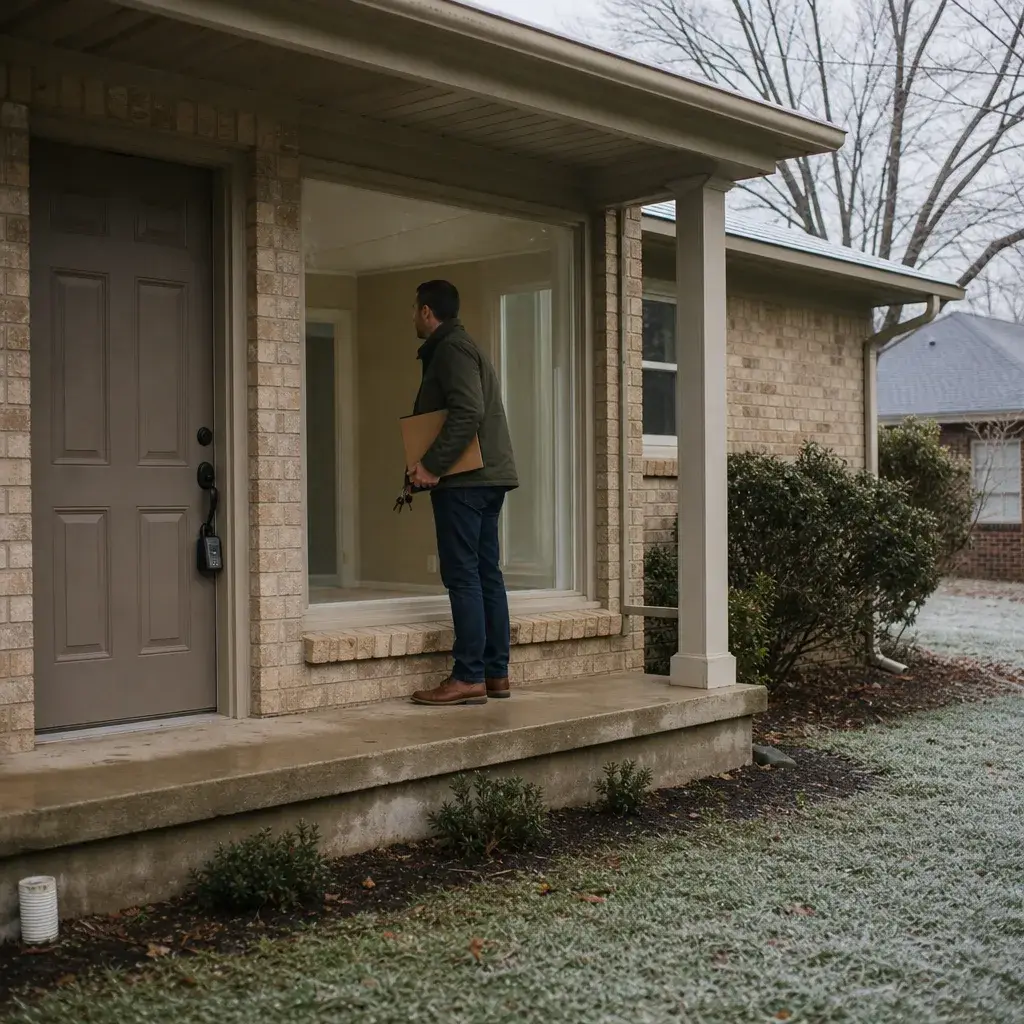
Yes, Vacant Houses Typically Cost More to Insure - Here's Why
Usually, yes. An empty house costs more to insure, and your regular homeowners policy may stop fully covering it once the house sits empty long enough. For Huntsville owners, that’s often the first bill that makes a vacant house feel like a problem. Here’s what to expect and what your options are.
Think about what happens when you live in a house. You hear the drip under the sink. You smell smoke. You notice the back door doesn’t latch right. In an empty house, none of that gets noticed.
So a small leak can run for weeks. That’s the whole problem in one sentence.
Insurers price policies on how likely a claim is and how big it might get. Empty homes score worse on both. Most standard policies also have a vacancy clause. It often kicks in after a house sits empty for about 60 days in a row. After that, coverage for things like vandalism or burst pipes can shrink or go away.
What exactly makes insurers nervous? These are the big ones we hear about from Huntsville owners:
- Water damage from leaks or burst pipes that nobody spots for weeks
- Break-ins, squatters, and copper theft, all easier when no one’s home
- Vandalism that gets worse the longer a house looks empty
- Fire from bad wiring or trespassers with nobody around to call it in
- Storm damage that sits unrepaired and leads to mold or rot
Each of those risks gets bigger over time. A one-week vacancy isn’t a big deal to most insurers. A six-month vacancy is a different story.
Huntsville weather doesn’t help, either. We don’t get long winters, but we do get those sharp freezes. One cold night in January can split a pipe in an unheated house. Then spring rolls in with hail, high winds, and tornado warnings across Madison County. A missing shingle on an empty house can let rain in for a month before anyone looks.
We see this all the time. Last year we talked with a woman who’d inherited her mom’s place near Five Points. She lived out of state and checked on it every few weeks. A supply line under the kitchen sink let go during a cold snap. By the time a neighbor noticed water by the door, the floors were ruined, the claim turned into a headache because the house had been empty for months.
She did nothing wrong. She just didn’t know.
But here’s what most people miss. The higher cost isn’t the only problem. Many owners keep paying for a regular policy and assume they’re covered. Then they find out after a loss that the vacancy clause limited their claim. Most people don’t realize this until it’s too late. It’s worth calling your agent and asking one direct question: “Am I covered if this house sits empty?”
If the answer makes your stomach drop, you’ve got options. You can buy a vacant home policy. You can rent the house out. Or you can sell it and stop carrying the risk at all. We buy vacant houses in Huntsville as-is, so you don’t have to fix the floors or fight the claim first –
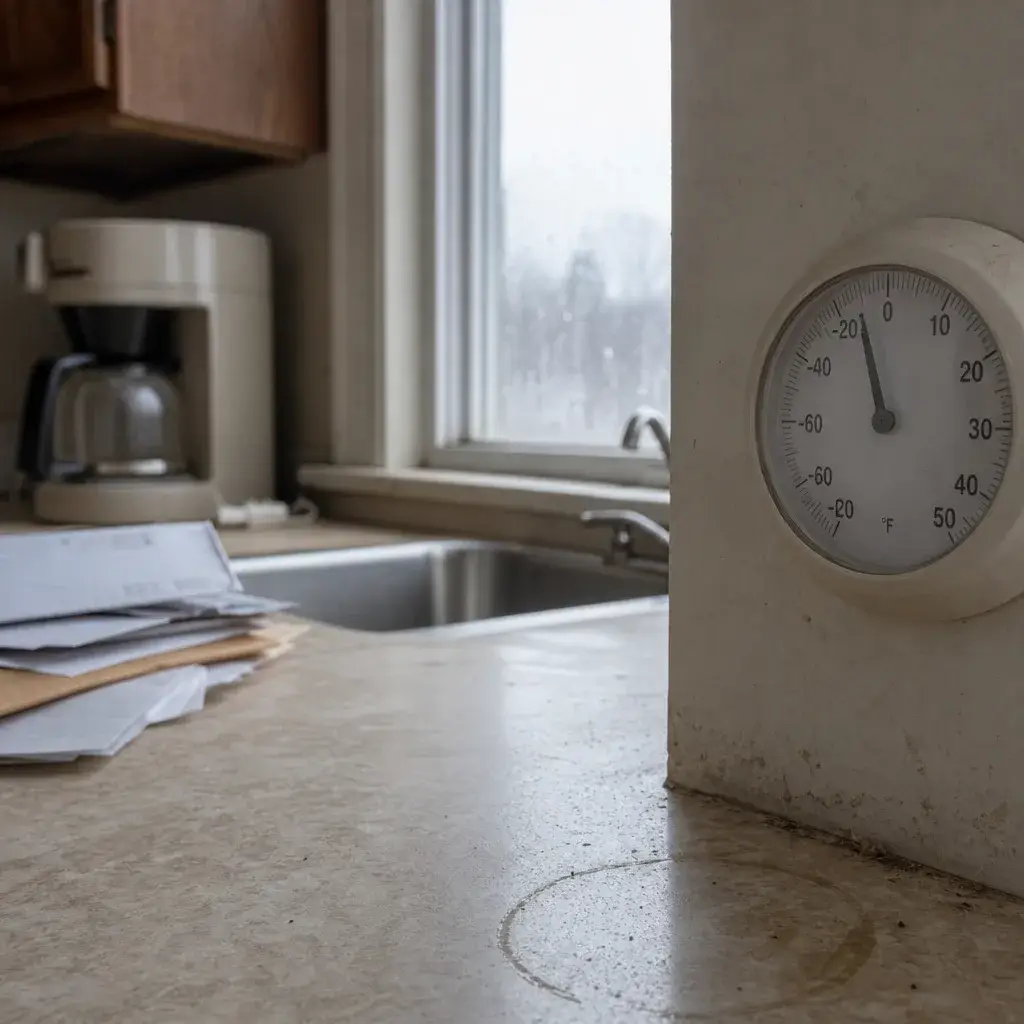
Vacant vs. Unoccupied: Why Insurers Treat Them Differently
Most Huntsville homeowners never hear this until they file a claim. To your insurance company, vacant and unoccupied aren’t the same thing. And that small difference can decide whether a claim gets paid.
An unoccupied house still has your stuff in it. The furniture’s there. The fridge is plugged in and humming. You’re just not sleeping there right now. Maybe you’re on a long work trip. Or you’re staying with a parent while they recover from surgery.
A vacant house is different. It’s empty. No furniture, no belongings, nobody living there. Think of a home after the estate sale is over, or one you moved out of while it sits on the market.
That empty part is what worries insurers.
So why would a bare house scare them more than a furnished one? Nobody’s around to catch small problems before they turn into big ones. Here’s what an insurer pictures when a house goes vacant:
- A slow pipe leak that runs for weeks before anyone notices
- Break-ins, since thieves look for dark windows and tall grass
- Vandals or squatters moving in without anyone knowing
- A small electrical fire with no one there to call 911
- Storm damage from a rough Alabama spring that sits unchecked for days
An unoccupied home faces some of these risks too. But a lived-in house usually still gets mail, visits, and lights at night. A vacant one doesn’t.
We see this one a lot around Huntsville. A family inherits Mom’s house near Five Points. They clear it out over a few weekends. Then it sits empty while they figure out what to do next. Two months later, a pipe bursts during a January cold snap. The insurer checks the dates. The house was vacant, not unoccupied. The claim gets cut way down or denied.
Most people don’t realize this until it’s too late, that’s the hard part.
Some folks try leaving a couch and a bed behind to look lived-in. That doesn’t always work. Many insurers care about whether someone lives there, not just what’s inside., the fine print on some of these policies – well, it’s worth calling your agent and asking them to walk you through it line by line.
But you don’t have to keep paying to protect a house nobody’s using. Plenty of owners in Hampton Cove and across Huntsville decide the stress isn’t worth it. For a lot of them, choosing to sell a vacant house fast for cash takes the insurance worry off the table completely. No repairs, no showings, and no waiting for a vacancy clause to kick in.
How Long a House Can Sit Empty Before Insurance Changes
Most people think an empty house is just an empty house. Your insurance company doesn’t see it that way. Most standard homeowners policies include a vacancy clause. It’s usually tucked deep in the fine print, where almost nobody reads it.
Here’s the short version. Many policies start limiting coverage once a home sits vacant for 30 to 60 days in a row. Sixty days is the cutoff we see most often. After that, some claims can be denied outright. Others get paid at a lower amount.
The clock starts the day the house stops being lived in, not the day you notice.
But there’s a catch that trips people up. Insurers often treat vacant and unoccupied as two different things. An unoccupied house still has furniture and belongings inside. Maybe the owner is traveling or recovering in the hospital. A vacant house is mostly empty. So clearing out a late parent’s home can weaken your coverage. Strange, but true.
Once you pass the vacancy cutoff, these are the claims that often get limited or excluded:
- Vandalism and break-ins
- Broken windows and other glass damage
- Water damage from burst pipes, especially if the heat was off
- Stolen copper wiring, appliances, or fixtures
- Some fire claims when nobody was checking on the property
Notice a pattern? These are exactly the things that tend to happen to empty houses. That’s why insurers get nervous about them.
Huntsville weather doesn’t help. Summer storms roll through fast. And our winter freezes can be hard on pipes in older homes. We worked with a family in south Huntsville whose mom had moved into assisted living. The house sat empty while they sorted out what to do. A January freeze split a pipe under the kitchen, water ran for days before a neighbor saw it. The claim came back with a vacancy exclusion. Nobody in the family knew that clause existed.
We see this mistake all the time. It’s not carelessness. Most folks are just juggling grief, work, and a dozen other decisions.
If your house is empty or about to be, try to handle these steps before day 30:
- Pull out your policy and look for the words vacant and unoccupied.
- Call your agent and tell them the house is empty. Ask exactly how long you’re covered.
- Ask about a vacancy endorsement or a separate vacant home policy.
- Keep the heat on in winter and have someone check the house every week.
- Write down each visit with the date. Photos help too.
So what if you’re already past 60 days? Don’t panic. Call your agent today and be honest about the dates. A gap in coverage can usually be fixed. A denied claim usually can’t.
Some owners wait it out for months, hoping the market turns or the family finally agrees on a plan –
And every month adds more risk. If you already know the house will sit empty a long time, selling it may be the simpler path. That’s the part we can help with.
See how we buy vacant houses in Huntsville. Related guides: Why Vacant Houses Deteriorate · How to Prove a Property Is Vacant
The Other Costs of a Vacant House in Huntsville
Insurance is only one cost. In the City of Huntsville, a vacant house still has to meet city code. Grass has to stay under 8 inches, and the city issues about 3,600 grass citations a year. An owner who misses the 14-day notice can be billed for the city’s mowing. Unfixed problems can end up as a lien on the property.
If you’re paying insurance, utilities, mowing and taxes on a house nobody lives in, it’s worth comparing that to a cash sale. Jason can walk the house and get you a written number within 24 hours of our visit, so you can decide with real numbers. See how we buy vacant houses in Huntsville.
FAQ: Does Insurance Cost More for Vacant Houses?
Most standard policies start limiting coverage after about 30 to 60 days of vacancy. This is called a vacancy clause, and it can cut or cancel coverage for things like vandalism or burst pipes. Huntsville homeowners often miss this detail until they file a claim. If your house near Five Points or Hampton Cove has been empty a while, check your policy now. Knowing this early helps you decide whether to keep paying, switch policies, or sell a vacant house fast instead.
An unoccupied house still has furniture and belongings inside, even if nobody’s sleeping there. A vacant house is completely empty, with no furniture or signs of life. Insurers treat these very differently because nobody is around to catch small problems in a vacant home. This matters a lot in Huntsville, where inherited homes often sit empty after an estate sale. Leaving a couch behind doesn’t always change how your insurer classifies the house.
Yes, Huntsville’s sharp winter freezes and spring storms raise the risk for empty homes. A cold snap in January can split an unheated pipe, and nobody notices until water has damaged the floors. Spring hail and wind can tear a shingle loose, letting rain in for weeks. Madison County tornado warnings add another layer of risk. These weather patterns are a big reason insurers charge more, or limit coverage, for vacant houses in our area.
Call your agent as soon as you know the house will sit empty. Ask them directly if you’re still covered for vandalism, fire, or water damage. Trying to guess your own coverage, or leaving some furniture behind to look occupied, doesn’t reliably protect you. Many Huntsville owners don’t realize their coverage changed until after a loss. If the answer worries you, it may be time to look at other options, including selling the house as-is.
The biggest mistake is assuming a regular homeowners policy still fully covers an empty house. Many owners keep paying their normal premium and find out only after a loss that the vacancy clause cut their claim. This happened to a Huntsville family whose inherited home near Five Points sat empty for months before a pipe burst. Reading your policy early, or asking your agent directly, can save you from a denied or reduced claim later.
You can buy a vacant home policy, rent the house out, or sell it and remove the risk entirely. Each option has tradeoffs, but selling stops the insurance worry for good. Many owners in Huntsville, Hampton Cove, and across Madison County choose this route once they realize how limited their coverage has become. If carrying an empty house feels like too much stress, you can sell a vacant house fast and skip repairs, claims, and vacancy rules altogether.
- We Buy Houses As-Is
- Locally Owned and Operated
- 30 Years Buying Houses in Madison County
- Fair Cash Offers, No Obligation
Related Help for Huntsville Homeowners
If this sounds like your situation, these pages can help:
Get My Cash Offer.
Paying to insure an empty house? Jason has bought houses in Madison County for 30 years, including vacant, inherited, probate and pre-foreclosure houses and houses with open code violations. After he views your house, you get a written cash offer within 24 hours of our visit. If it’s late, we pay you $250. We pay all closing costs, and a local closing attorney handles the closing. Call 256-858-7464 or request your offer below.