
Can Fire Damage Be Fully Repaired? What Huntsville Homeowners Need to Know
What 'Fully Repaired' Means After a House Fire
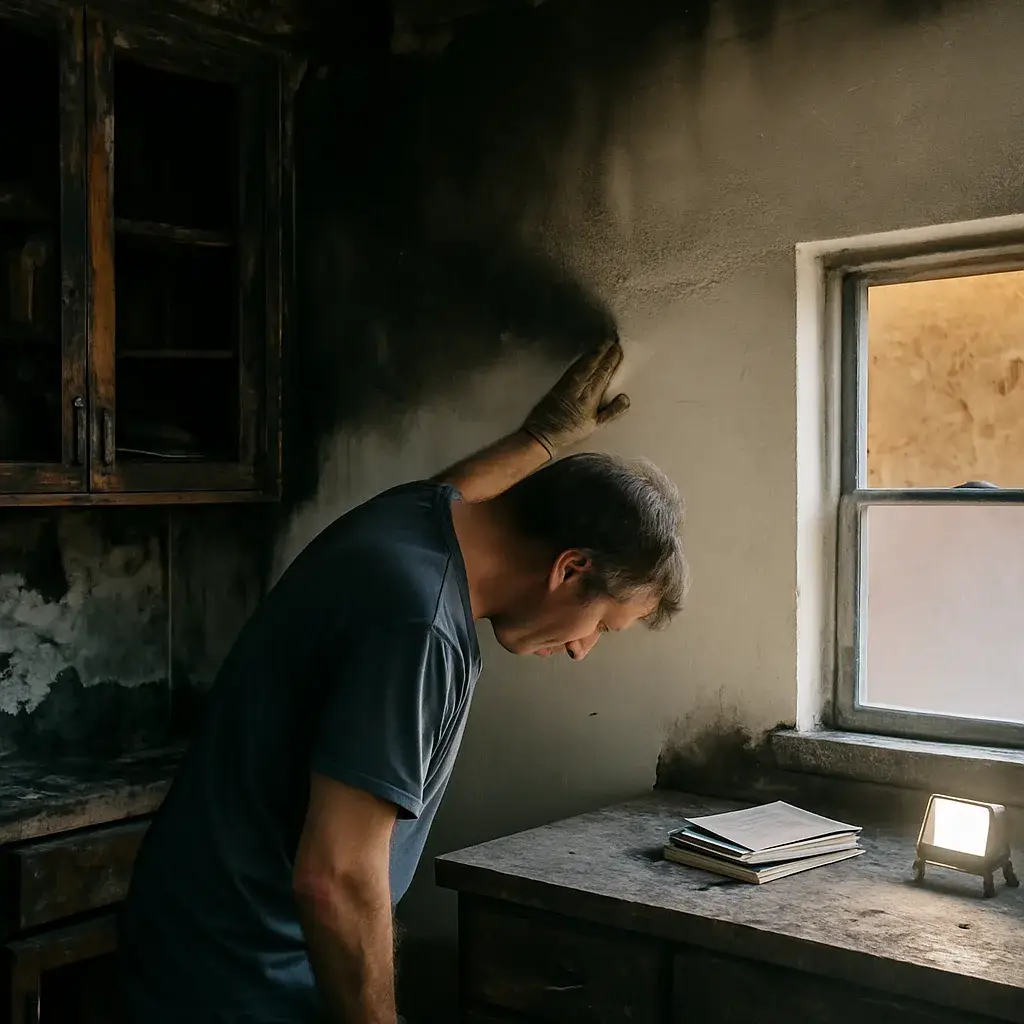
So what does ‘fully repaired’ really mean? It’s not just replacing burnt drywall or painting over smoke stains. A true repair means every part of your home, structure, wiring, insulation, and air quality, gets checked and fixed. That’s a bigger job than most people expect.
We’ve walked through homes in Huntsville where the fire only touched one room, but the smoke traveled through the whole HVAC system. The owners thought a quick paint job would solve it. It didn’t. Soot particles settle into duct work, attic spaces, and even wall cavities you can’t see without opening things up.
- Structural damage to studs, joists, or the roofline that weakens the frame
- Smoke odor trapped in insulation, carpet padding, and HVAC ducts
- Water damage from firefighting hoses, which can lead to mold within days
- Electrical systems that look intact but have heat-damaged wiring inside walls
- Soot residue on surfaces that keeps releasing smell for months if not treated right
Here’s the thing most homeowners don’t realize until they’re deep into repairs: fixing what’s visible often uncovers more problems underneath. You open one wall to fix smoke damage, and now you’ve found wiring that needs replacing too. It snowballs fast.
A single cracked support beam can mean the whole repair estimate doubles overnight.
And that’s before you even think about permits. Madison County and the City of Huntsville both require inspections and permits for major structural and electrical repairs after fire damage. Skip that step, and you could run into trouble later when you try to sell or refinance.
We’ve seen homeowners spend months coordinating contractors, insurance adjusters, and inspectors, only to realize the home still doesn’t feel the same. That lingering smoke smell, the water stain that keeps coming back, the insurance payout that didn’t cover everything. It’s exhausting. And for a lot of families, it’s just not worth it.
This is exactly why we work with Huntsville homeowners who’d rather skip the repair process altogether. Full repair is possible in many cases, but it takes real time, real money, and a lot of patience most people don’t have after living through a fire.
Why Repair Scope Often Grows Once Work Begins
Here’s something we’ve seen happen again and again in Huntsville homes after a fire. A homeowner gets a quote for repairs. It sounds fair. Then, three weeks into the job, the contractor calls with bad news. The number just doubled.
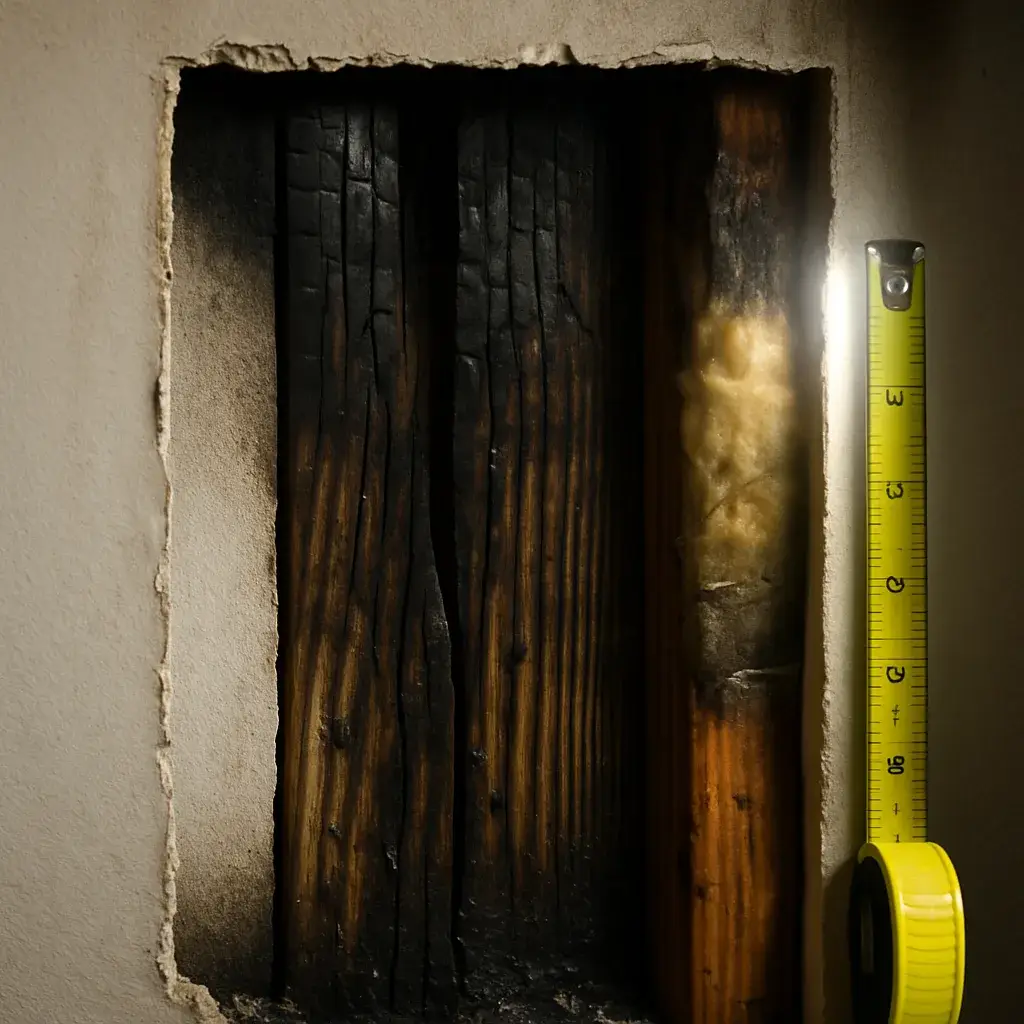
Fire damage almost never stays where you can see it. Smoke and heat travel through wall cavities, ductwork, and attic spaces long before anyone notices. So a contractor can only bid on what’s visible during the first walkthrough. Once they open up a wall or pull back insulation, they find the real story.
This is why so many repair projects run into what’s called scope creep. It’s not that the contractor did anything wrong. It’s just how fire damage works.
A typical repair job usually uncovers hidden problems in this order:
- Demo begins and drywall or flooring gets pulled up
- Charring or heat damage shows up on framing members behind the walls
- Electrical wiring is found melted or brittle from heat exposure
- Smoke residue is discovered inside HVAC ducts, requiring a full system clean or replacement
- Water damage from firefighting efforts surfaces as hidden mold under subfloors
- Structural engineers get called in if load-bearing wood shows heat weakening
- The final repair bill lands well above the original estimate
Older homes in areas like Blossomwood or near downtown Huntsville tend to have more of this hidden risk. Older wiring, older framing, less modern fireproofing. And Madison County’s humid summers can turn water damage from firefighting into mold within 48 hours if a home sits unrepaired for even a short stretch.
We’ve talked with homeowners who started a repair believing it would take six weeks. It turned into four months. The insurance payout ran out halfway through, leaving them to cover the rest out of pocket. That’s a hard spot to be in, especially when you just want your life back to normal.
So what’s the lesson here? Get every inspection done before you sign a repair contract, not after. Ask contractors directly if their quote includes contingency for hidden damage. Most quotes don’t.
There’s a real cost to not knowing this ahead of time.
This is exactly why some Huntsville homeowners decide repair just isn’t worth the gamble. If the scope keeps growing and the timeline keeps stretching, selling the house as-is can start to look like the simpler path. You skip the repair guessing game entirely.
Structural Damage vs. Cosmetic Damage: How Professionals Tell the Difference
Not all fire damage is the same, and that’s the first thing we explain to homeowners. Cosmetic damage sits on the surface. Think soot on walls, scorched paint, or a melted light fixture. Structural damage goes deeper. It affects the bones of the house, the parts holding everything up. Telling them apart takes training, not guesswork.
We’ve walked through homes in older Huntsville neighborhoods where the kitchen looked totally destroyed, but the frame underneath was solid. We’ve also seen the opposite. A small kitchen fire that looked minor from the outside had weakened a load-bearing wall. That’s why a visual glance from the driveway never tells the real story.
Here’s what inspectors usually check when sorting cosmetic from structural damage:
- Charring depth on wood framing, beams, and joists
- Warping or bowing in walls, floors, or the roofline
- Cracked or shifted foundation sections near the fire’s origin
- Damage to electrical wiring and plumbing behind walls
- Whether the fire department had to cut into the roof or walls during suppression
That last point matters more than people expect. Firefighters sometimes have to open up ceilings or walls to stop a fire from spreading. That means even a small fire can leave big structural gaps behind, gaps that aren’t obvious until someone pulls back the drywall.
Structural damage is the kind that changes everything. If the frame is compromised, repairs get expensive fast, and in some cases the safest option is a full rebuild instead of a repair. Cosmetic damage, on the other hand, is usually fixable with cleaning, painting, and replacing surface materials.
So how do you know which one you’re dealing with? Most homeowners can’t tell on their own, and, that’s normal. Fire damage hides in places you can’t see with the naked eye.
A house with heavy smoke staining might have a stronger frame than one with barely visible flame marks. It really depends on where the fire started and how long it burned before crews arrived.
This is why we always recommend getting a professional structural assessment before deciding what to do next, whether that means repairing, rebuilding, or selling the house as-is. We’ve talked with plenty of Madison County homeowners who assumed their home was a total loss, only to learn the frame was fine. We’ve also met folks who thought their house just needed paint, and later found out the framing needed full replacement.
If you’re staring at a fire-damaged house right now and you’re not sure which category it falls into, you’re not alone. This uncertainty is exactly why so many Huntsville families end up overwhelmed trying to plan repairs, deal with contractors, and manage insurance paperwork all at once.
Frequently Asked Questions
Yes, fire damage can be fully repaired, but it takes checking every part of the home, not just what you see. Smoke, soot, and water can hide in walls, ducts, and insulation long after the visible mess is cleaned up. Many Huntsville homeowners start a repair thinking it’s simple, then find hidden problems that add months to the timeline. If you want to skip that uncertainty, learn more about your options for selling a fire-damaged house as-is.
Structural damage affects the frame of your home, like studs, joists, or beams, while cosmetic damage is limited to surfaces like paint or drywall. A professional checks charring depth and looks for warping in the wood to tell the difference. You can’t judge this from a quick look. Even a small kitchen fire can weaken a load-bearing wall without showing obvious signs from outside.
Get a full inspection before signing any repair contract. A contractor can only quote what’s visible during a walkthrough, and fire damage often hides behind walls and inside ductwork. Skipping the inspection step means you risk a much bigger bill once demo starts. Ask any contractor directly if their quote includes a contingency for hidden damage, because most don’t.
This happens because fire damage spreads further than what’s visible at first. Once demo starts, contractors often find charred framing, melted wiring, or mold hiding under floors. Each discovery adds cost and time to the project. This pattern, known as scope creep, is common enough that many Huntsville homeowners decide selling as-is is the simpler route instead of gambling on a growing repair bill.
Yes, Madison County’s humid summers can turn firefighting water damage into mold within about 48 hours if a home sits unrepaired. That’s a fast timeline for families still dealing with insurance calls and contractor schedules. Older homes near downtown Huntsville and Blossomwood are especially at risk because of older wiring and framing. Acting fast, or considering a faster path like selling as-is, can help you avoid this added damage.
Yes, Madison County and the City of Huntsville both require permits and inspections for major structural or electrical fire repairs. Skipping this step can create problems later when you try to sell or refinance the home. Permits confirm the repair was done safely and up to code. This process adds time to a repair project, which is one more reason some homeowners choose to sell their fire-damaged house instead.
- We Buy Houses As-Is
- Locally Owned and Operated
- 30 Years Buying Houses in Madison County
- Fair Cash Offers, No Obligation
Related Help for Huntsville Homeowners
If this sounds like your situation, these pages can help:
- We buy fire-damaged houses in Huntsville
- Cost to Renovate a Burnt House in Huntsville (2026 Breakdown)
- How to Estimate Fire Damage Repair Costs in Huntsville (2026)
- How Does Fire Insurance Pay Out? A Huntsville Homeowner’s Guide
- How to Get a House Declared Uninhabitable: Step-by-Step Guide (2026)
- How our home buying process works