What Happens If You Don't Fix a Code Violation in Huntsville, AL?
What Happens When You Ignore a Code Violation
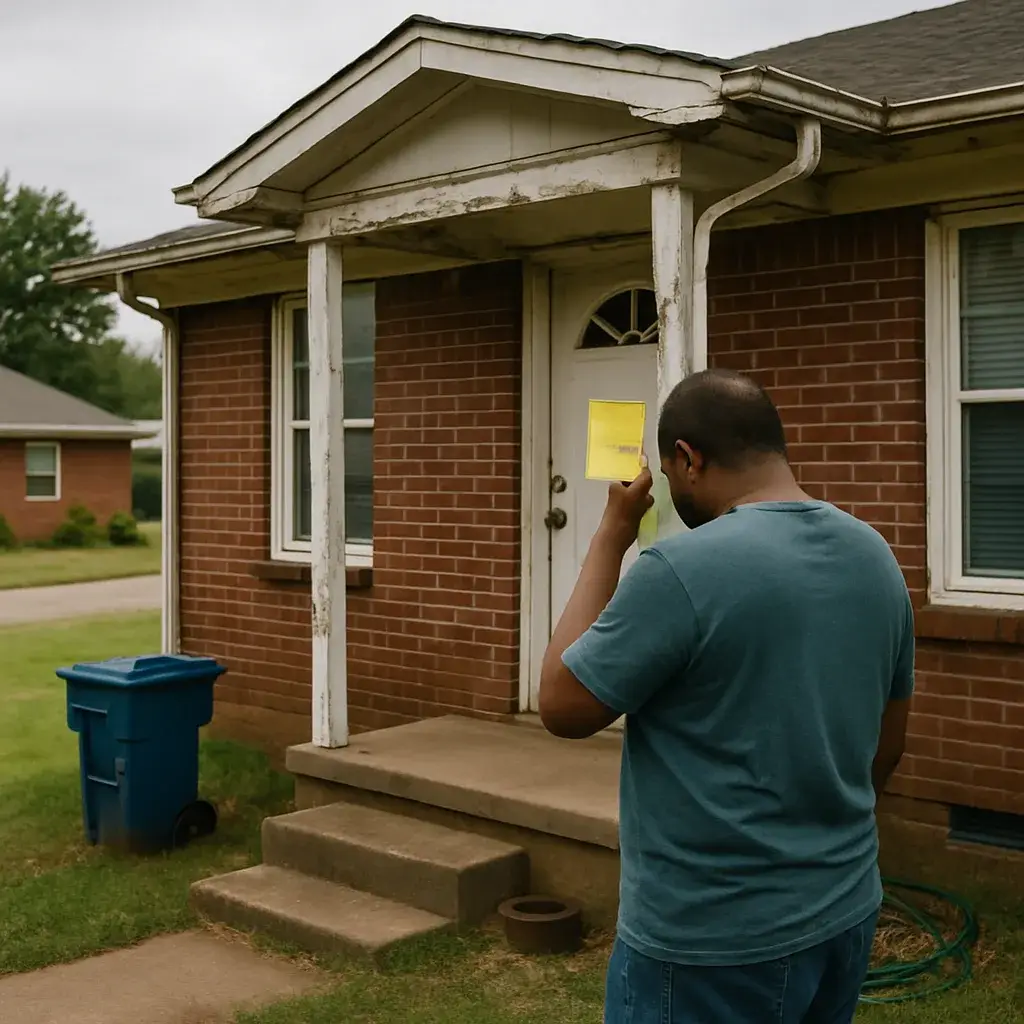
Here’s the honest truth. A code violation notice doesn’t just sit quietly in a drawer. Huntsville’s code enforcement team follows a set path, and once that path starts, it keeps moving unless you respond. We’ve talked to a lot of homeowners who thought they had more time than they did. Most people don’t realize this until it’s too late, and by then the options feel a lot smaller.
So what does that path look like? It usually follows a pattern, whether the issue is an overgrown yard, a fire-damaged structure, or a home that’s been sitting vacant with code problems piling up.
- You get a written notice with a deadline to fix the issue.
- If nothing changes, the city issues a formal citation.
- Fines start adding up, often daily, until the violation is corrected.
- Huntsville can place a lien on the property for unpaid fines.
- In serious cases, the property gets referred to Municipal Court.
- For unsafe structures, the city can order repair or demolition.
- Left long enough, some properties end up in foreclosure over the debt.
That last step surprises people the most. Fines and liens can grow to a point where they rival or even exceed what the home is worth. And once a lien attaches to the property, it has to be paid before you can sell it through a normal deal. That’s a problem for owners who already can’t afford the repairs, and it’s an even bigger problem for anyone who inherited a house they didn’t ask for.
We’ve seen this play out with vacant properties in older Huntsville neighborhoods, where a home sits empty after a family member passes away. No one’s checking on it, weeds grow, someone reports it, and the notices start piling up on a door nobody opens. By the time a relative finds out, the fines are already stacking. That’s a hard spot to be in, especially when the house also needs major repairs the family can’t cover.
Here’s a fragment worth sitting with: not every violation is fixable on a normal timeline.
Some repairs, like electrical rewiring or foundation work, take weeks and real money you may not have sitting around. So the fines keep ticking while you’re trying to figure out contractors and permits. And if the home is a hoarder situation, the cleanout alone can take longer than the deadline allows.
Is doing nothing ever the right move? It’s not, plain and simple.
But you don’t have to fix everything yourself before you can move forward, either. Selling a house with an open code violation, as-is, is a real option for Huntsville and Madison County homeowners who don’t have the time, money, or energy to chase repairs.
How an Unresolved Violation Affects Selling Your Home
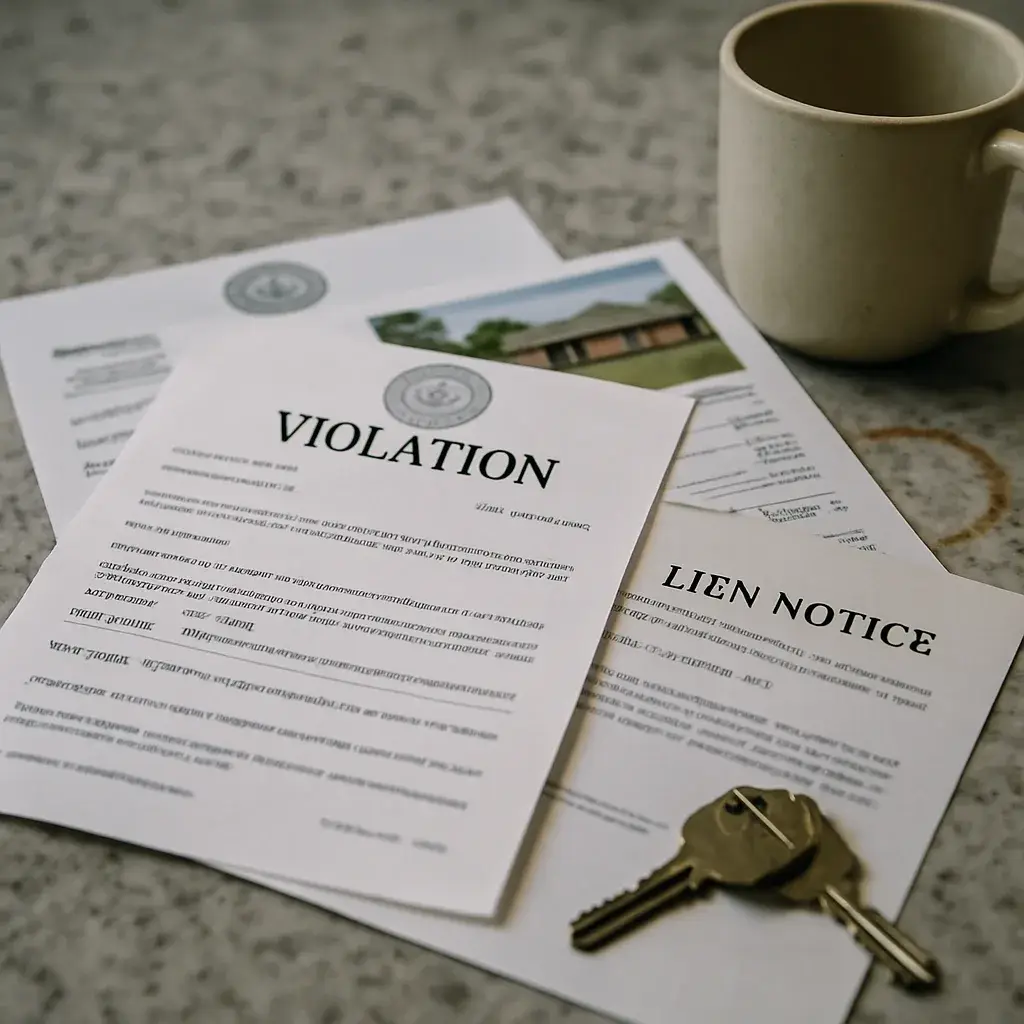
An open code violation follows your house through the entire sale. It shows up during the buyer’s inspection. It shows up when the title company runs a search. And it almost always shows up at the worst possible time, right when you thought a deal was close.
We’ve talked to Huntsville homeowners who didn’t even know about a violation until an appraiser or inspector flagged it mid-contract. That’s a hard moment. The buyer gets nervous, the lender asks questions, and suddenly your closing date is in jeopardy.
- Traditional buyers using a mortgage often can’t close until the violation is cleared, since lenders won’t fund a loan on a flagged property
- Real estate agents may hesitate to list a home with open violations until repairs are made, which delays everything
- Buyers who do stick around usually ask for a price cut to cover the fix themselves
- Some violations require re-inspection by the city before a sale can finish, adding weeks to your timeline
- A public violation record can scare off buyers before they even schedule a showing
So what happens in practice? Picture a house on the east side of Huntsville with an unpermitted room addition flagged by the city. The seller lists it, finds a buyer, then the sale stalls for two months while permits get sorted out. That’s not rare. It’s one of the most common reasons deals fall apart here in Madison County.
Here’s the part most sellers don’t expect, the violation doesn’t just slow things down, it can shrink your final sale price too.
Buyers who agree to purchase a home with an open violation usually build in a cushion for the unknown. They don’t know exactly what the fix will cost, so they guess high. And that guess almost always comes out of your pocket at the negotiating table.
There’s another option that skips all of this. Selling a house with a code violation as-is means you don’t need to satisfy a lender’s checklist or wait on city re-inspections before closing. No repairs, no permit chasing, no back-and-forth over who pays for what.
We buy houses with code violations directly, so the delay and the price hit both go away.
Fix It, Fight It, or Sell It: Weighing Your Options
Once you know a violation is real, you’ve got three paths. Fix it. Fight it. Or sell the house as-is and let someone else deal with it. Each one makes sense in different situations, so let’s break them down.
Fixing the problem is the cleanest option, if you have the cash and the time. Some violations are small, like an overgrown yard or a missing house number. Those get resolved in a weekend. But structural issues like a bad roof, foundation cracks, or electrical problems can run into thousands of dollars. And Huntsville contractors are often booked out weeks in advance, especially after storm season.
Fighting the citation is possible too. You can request a hearing with the Huntsville code office and present your case. Maybe you believe the inspector made a mistake, or you need more time. This route works if you have a strong argument and the patience for a formal process. It rarely makes the violation disappear, it just buys you time.
Selling as-is is the option most people don’t consider until they’re exhausted from the other two. Here’s the thing, we buy houses in Huntsville with open code violations all the time. We’ve walked through homes with condemned rooms, fire damage, hoarding situations, and years of deferred maintenance. None of that scares us off.
- Fixing it: best if you have savings and a manageable violation, but repair costs add up fast on older Huntsville homes
- Fighting it: best if you believe the citation is wrong, but it takes time and doesn’t remove the underlying problem
- Selling as-is: best if you’re low on cash, out of time, or just done dealing with the property
- Inherited or vacant homes: often the fastest path is a sale, since nobody’s living there to manage repairs anyway
- Rental properties with tenant issues: selling as-is avoids the added stress of coordinating repairs around occupants
That’s the real question here. Do you want to invest more time and money into a house you might not even want anymore? Or would you rather hand off the problem and walk away with cash in hand?
Frequently Asked Questions
Huntsville usually gives you a written notice with a set deadline before fines begin. That window varies depending on the violation, but once it passes, the city can issue a formal citation and daily fines often follow. Small issues like tall grass may get shorter deadlines than structural problems. Waiting until the deadline is close before responding is risky, since delays with contractors or permits can eat up that time fast.
Yes, unpaid fines from a code violation can turn into a lien on your Huntsville property. Once that lien attaches, it usually has to be paid off before you can sell the home through a normal sale. This catches a lot of families off guard, especially when they inherit a house and didn’t know fines were piling up. If the lien is close to what the home is worth, selling as-is may be a more realistic path forward.
Fixing a violation means repairing the actual problem, while fighting it means asking Huntsville’s code office for a hearing to challenge the citation. Fighting makes sense if you think an inspector made a mistake or you need more time. Fixing makes sense when the repair is small and affordable. Neither option works well if you’re low on time, money, or energy, which is why some homeowners choose to sell the house as-is instead.
Storm season in Huntsville can absolutely make violations worse, especially roof damage, fallen trees, or drainage issues. After big storms, local contractors get booked out for weeks, which stretches out repair timelines while fines keep adding up. That delay can turn a small violation into a bigger financial problem fast. If storm damage caused your violation, it helps to understand your options for selling a house with a code violation before repair costs pile higher.
Small fixes, like clearing debris or replacing a house number, you can often handle yourself. But anything involving electrical, foundation, or structural work should go to a licensed contractor, since Huntsville inspectors need to sign off on permitted repairs. DIY work on serious violations can delay clearing the citation if it isn’t done to code. If the repair list feels too big to manage, selling the property as-is skips the contractor search entirely.
Yes, an open code violation almost always shows up during a Huntsville home sale, usually during the buyer’s inspection or a title search. This can stall closings, scare off buyers, or lead to price negotiations right when a deal feels close. Many sellers don’t find out about the violation until an appraiser flags it mid-contract. Selling the house as-is avoids that risk since there’s no lender checklist or re-inspection to wait on.
- We Buy Houses As-Is
- Locally Owned and Operated
- 30 Years Buying Houses in Madison County
- Fair Cash Offers, No Obligation
Related Help for Huntsville Homeowners
If this sounds like your situation, these pages can help:
- We buy houses with code violations in Huntsville
- The Most Common Code Violations in Huntsville, AL (2026 List)
- What Is a Code Violation Notice in Huntsville, AL? (2026 Explainer)
- What Are Code Violations in Real Estate? A Huntsville, AL Guide
- Why Do Vacant Houses Deteriorate So Quickly? A Huntsville Owner’s Guide (2026)
- How our home buying process works