
Can You Sell a House While It's Still in Probate? A Guide for Huntsville Families
On this page
- What It Means to Sell a House During Probate
- Who Has the Authority to Sell the Property
- Independent vs. Supervised Administration: Why It Changes the Answer
- Working Alongside the Family’s Probate Attorney Instead of Replacing One
- How Liens, Mortgages, and Estate Debts Affect What the Estate Receives
- When Listing With a Real Estate Agent Makes More Sense Than a Cash Sale
- Frequently Asked Questions
What It Means to Sell a House During Probate
Probate sounds scary. It isn’t, really. It’s just the legal process that settles someone’s affairs after they pass away. The court looks at the will, if there is one. Then it names a person to pay the bills and pass things on to family.
That person gets a title. With a will, they’re usually called the executor. With no will, the court picks an administrator. Alabama uses one name for both: personal representative.
Here’s the part most people miss. The house isn’t yours yet, even if the will says it is. It belongs to the estate for now, the estate is the seller.
So selling during probate really means the estate sells, and you sign for it.
We get calls about this all the time from families around Huntsville. Most folks think they have to wait a year or more before they can sell. But that’s often not true. Once the court gives you papers called letters testamentary or letters of administration, you can usually move forward.
So what does the sale look like? A few things set it apart from a regular home sale. None of them are hard. They’re just different.
- The personal representative signs the contract, not each heir one by one.
- Depending on how the estate was opened, the judge may need to approve the sale.
- Money from the sale goes into the estate account first.
- Final bills and debts often get paid from that money before heirs get their share.
- Expect the buyer and title company to ask for a copy of your court papers.
Knowing this up front saves a lot of stress later. And it helps you ask better questions when you talk to your probate attorney.
Does the court always have to sign off? Not always. In Alabama, some estates are opened in a way that gives the personal representative more freedom to sell. Some wills spell out that power too. Other times, the judge wants to review the deal first. Your attorney can tell you which path your estate is on, ask them early.
Things get trickier when heirs don’t agree, or when nobody can find the original will –
That’s a topic for another day. For most families, the path is simpler than they expect. If you’re reading this after losing someone, take a breath. You don’t have to sort it all out today. One step at a time works just fine.

Who Has the Authority to Sell the Property
Here’s the short answer. Only one person can usually sign the papers to sell a probate house. That person is called the personal representative.
If your loved one left a will, it probably names someone to handle the estate. That’s the executor. If there’s no will, the court picks someone. That person is called an administrator. Both jobs do the same basic work. They gather what’s owned, pay what’s owed and pass the rest to the heirs.
But being named in a will isn’t enough by itself.
The person still has to be approved by the court. In Huntsville, that happens at the Madison County Probate Court downtown. Once approved, they get a document called letters. With a will, it’s letters testamentary. Without one, it’s letters of administration. Title companies and buyers will ask to see these letters before anything moves forward.
So what does the will need to say? A lot depends on the wording. Some wills give the executor a power of sale. That lets them sell the house without asking a judge first. Other wills say nothing about selling. In that case, the personal representative usually needs a court order to sell. Your probate attorney can read the will and tell you which path you’re on.
Here’s who typically has a say in the sale:
- The personal representative, who signs the sale documents once the court approves them
- The probate judge, if the will doesn’t grant a power of sale
- The heirs, who may need to agree or get notice depending on the situation
- Any lender with a mortgage on the home, since the loan gets paid at closing
Notice the heirs are on that list. Even when they can’t sign, they often get a voice. That’s where things can get messy.
We see this a lot in Huntsville. Three siblings inherit a brick ranch off Bailey Cove Road, one wants to sell fast and another wants to keep it. The third lives out of state and just wants it handled. The executor has the legal power to sell, but family pushback can slow everything down. Clear talk early saves months later.
What if nobody ever opened probate? That happens more than people think. A parent passes, the kids keep paying the power bill and the house just sits. Nobody has letters, so nobody can sign a clean deed. In some cases every heir can sign together. But many title companies won’t insure that sale without probate or a court process to clear the title –
Most folks don’t realize this until a buyer is already waiting.
One more tip from our own experience. Get certified copies of your letters, more than one. You’ll need them for the bank, the utility companies and the closing. Running back to the courthouse for each copy is a hassle you can skip.
If you’re the personal representative and the house needs work, you’ve got options. Many families in this spot choose to sell a probate house as-is so they don’t have to fix, clean or stage it while the estate is still open. We buy probate houses across Huntsville and Madison County, and we work with your attorney and the court timeline. No pressure. No repairs. Just a simple cash offer you can take or leave.
Independent vs. Supervised Administration: Why It Changes the Answer
Here’s the part most families don’t hear about until they’re already stuck. In Alabama, the type of estate administration you have shapes the whole probate sale. Two paths. Very different timelines.
Alabama lets a personal representative run an estate one of two ways. The first is independent administration. The second is supervised administration, where the court watches each big step. The Madison County Probate Court in Huntsville handles both kinds.
So how do you know which one you have? Look at your letters from the court. They’ll usually say.
With independent administration, you can often sell the house without asking the judge first. You still have to act in good faith. You still owe the heirs a fair price and a clear accounting. But you don’t need a court order to sign a contract or close.
That’s a big deal.
A sale under independent administration can move almost as fast as a normal home sale. Supervised administration is a different story. Before you sell, you’ll file a petition asking the court for permission. The heirs get notice. The judge may want proof the price is fair, like an appraisal. Then the court signs an order, and only then can you close. Some estates wrap that up quickly. Others drag on for months, it depends on the court calendar and whether anyone objects.
A few things usually decide which path an estate ends up on:
- Whether the will gives the executor the power to sell real estate
- All the heirs agreeing in writing to independent administration
- Someone contesting the will or fighting over the house
- The person passing away without any will at all
And if the will says nothing about selling? You’re not out of luck. In many cases the heirs can sign consents and ask the court to allow independent administration. A local probate attorney can tell you if that fits your estate.
We see this mix-up all the time.
Not every case turns out that simple. Some estates really do need court approval, and that’s okay. It just means planning for a few extra steps. A buyer who knows probate won’t flinch at a court order or a longer closing. Most of the stress comes from not knowing which rules apply –
Once you know your path, the rest gets a lot clearer. You can line up the paperwork, talk with the heirs, and pick a sale option that matches your timeline.
Working Alongside the Family's Probate Attorney Instead of Replacing One
We don’t replace your probate attorney, and we don’t want to. Your attorney works for the estate and gives the family legal advice. We’re the buyer. A closing attorney handles the closing itself. When each person sticks to their own job, the sale stays clean and the family stays protected.
- Your probate attorney advises the personal representative, deals with the court, and tells you what the estate is allowed to do.
- Huntsville House Buyer AL looks at the house, makes a written cash offer, and buys the property for cash.
- A closing attorney handles the closing paperwork, and we pay all closing costs.
That split matters more than it might seem. The person buying your house shouldn’t be the one telling you what the law allows. We’ll explain our offer and answer questions about the sale. But anything about the estate’s legal duties, the heirs’ rights, or what the court needs goes to your attorney. We’d rather you ask them twice than guess once.
Here’s what we bring to the table. You get a written cash offer within 24 hours of our visit. If that offer isn’t delivered on time, we pay you $250. Because it’s in writing, you can hand it straight to your attorney and talk it through before anyone signs. The visit and the offer are free, and there’s no obligation to say yes.
The offer is based on the house’s location, condition, size, comparable home sales, needed repairs, cleanout needs, and estimated resale value. Jason has been buying houses in Huntsville and Madison County for 30 years. His background in home building and construction helps him understand repairs and permitting, so he can make a fair offer even when a house needs a lot of work.
When you sit down with your attorney and our offer, these are good questions to ask:
- Does the estate owe debts that have to be paid out of the sale?
- How will the money from the sale be split among the heirs?
- Is there a court date or deadline that should shape the closing date?
- Is there anything in the purchase agreement you’d like changed before it’s signed?
Once your attorney gives the go-ahead, we set a closing date that fits the probate timeline. If closing is late because of us, we pay you $100 per day. That’s our way of making sure our part never becomes the holdup.
Sometimes your attorney may suggest listing the house with a real estate agent instead, especially if it’s in good shape and the estate has time to wait. That can be the right call, and we’re glad to work with local Realtors. Selling to a cash buyer is one path among several for inherited, fire-damaged, or problem properties in Huntsville, and it’s smart to weigh them all with your attorney before you decide.
How Liens, Mortgages, and Estate Debts Affect What the Estate Receives
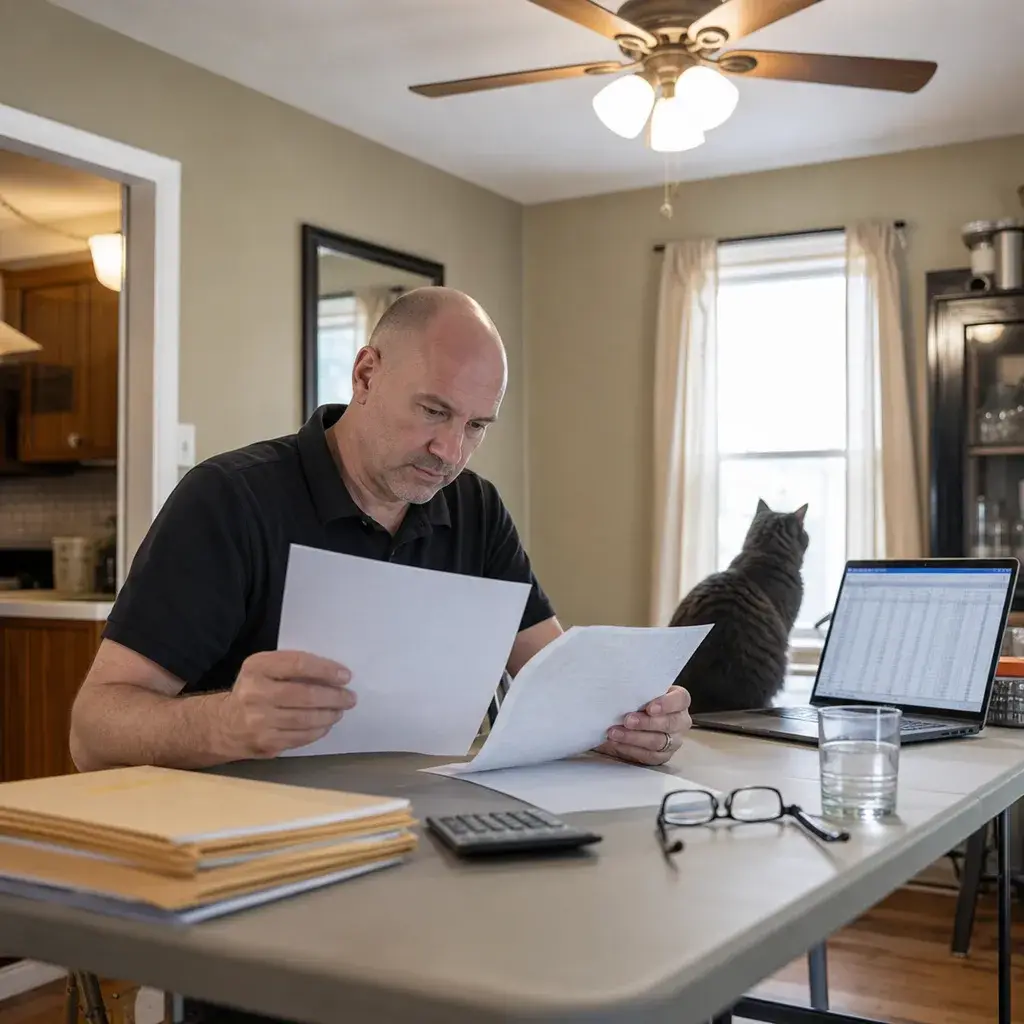
The price on our offer and the money the estate takes home aren’t always the same number. If the house has a mortgage, a lien, or unpaid taxes, those usually get paid out of the sale at closing. Whatever’s left goes to the estate. Knowing this up front helps you read any offer correctly and keeps the family from counting on money that was never really there.
When someone passes away, their debts don’t disappear. A mortgage on the house is still owed. So are property taxes that fell behind. Any lien recorded against the home stays attached to it until it’s paid. A buyer can’t take the house with those still hanging on it, so the closing attorney pays them off from the sale money before anything goes to the estate.
Here are the most common things that can come out of the sale:
- A mortgage or home equity loan that still has a balance.
- A reverse mortgage, which often comes due after the owner passes away.
- Property taxes that weren’t paid.
- Liens from unpaid contractors, court judgments, or other bills tied to the house.
- Other estate debts your probate attorney says must be paid before the heirs get their share.
Closing costs aren’t on that list, because we pay all closing costs. There’s also no service charge to the seller. So the costs of the sale itself don’t come out of the family’s share.
One thing worth knowing is that a mortgage keeps adding interest while the house sits empty. Taxes and insurance keep coming due too. The longer the house waits, the more those costs can eat into what’s left for the heirs. That’s one reason many families choose to sell during probate instead of after it.
Debts that aren’t tied to the house work differently. Credit cards, medical bills, and personal loans are usually handled by the estate as a whole, not attached to the property. Your probate attorney decides which debts get paid, in what order, and from which money. That’s a legal question, and it belongs with them. Our job is to make sure everyone can see what’s tied to the house before the purchase agreement is signed.
Sometimes the debts on a house come close to what it’s worth, or even more. That’s a hard thing to hear when you’re already grieving. If that’s where things stand, talk it through with your attorney before deciding anything. They can tell you what options the estate has. We’ll be straight with you about what our offer would cover, and we won’t pretend the numbers look better than they do.
When you compare offers, ask each buyer the same thing: after the mortgage, liens, and taxes are paid, about how much will the estate receive? A higher price with costs taken out at the end can leave less in the family’s hands than a lower price with none. Looking at the final number is what matters.
When Listing With a Real Estate Agent Makes More Sense Than a Cash Sale
If the house is in good shape, the estate has time, and nobody is struggling to keep up with it, listing with a real estate agent will often bring in more money than a cash sale. That’s the honest answer. A cash buyer like us prices in repairs, cleanout, and resale. If the house doesn’t need much of any of that, a buyer on the open market may pay more for it.
A traditional listing tends to be the better fit when most of these are true:
- The house is move-in ready or close to it, with a sound roof, working systems, and no major damage.
- It would likely pass a buyer’s inspection and a lender’s appraisal without big surprises.
- The family is willing to clear out belongings, clean, and handle a few small repairs before photos and showings.
- The estate can comfortably cover taxes, insurance, utilities, and upkeep for the months it might take to sell.
- Someone nearby can let in contractors, check on the house, and keep it looking nice for showings.
- The heirs agree on the plan and aren’t under pressure to settle quickly.
Picture a well-kept brick home where Mom stayed on top of every repair. The carpets are clean, the kitchen was updated a few years back, and one of the kids lives ten minutes away. In that case, a local Realtor can put the house in front of lots of buyers, and the estate may come out ahead even after the agent is paid. We’d tell you the same thing if you called us.
Realtors do real work for that money. They price the home against recent sales, market it, handle showings, negotiate with buyers, and help keep a financed sale on track. For the right house, that work pays for itself. We welcome referrals from local real estate professionals, and many families talk to both an agent and a cash buyer before choosing.
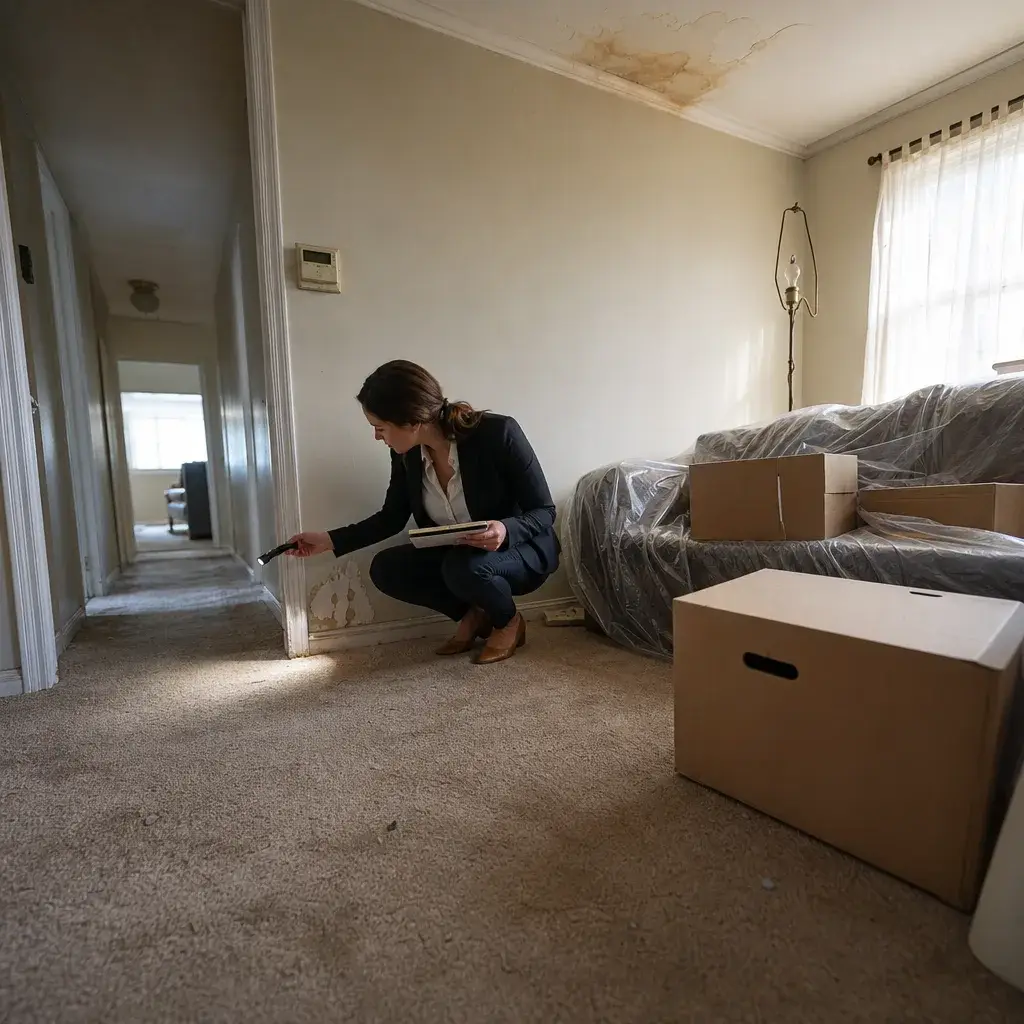
The picture changes when the house needs a lot. Fire damage, a home packed full of belongings, a failing roof, foundation trouble, or years of deferred repairs can make a listing harder. Many buyers who need a loan can’t purchase a house a lender won’t approve. The estate may have to fix things first, which takes money and time. That’s usually where a cash sale starts to make more sense.
If you’re not sure which group your house falls into, a few questions can help you decide:
- What would a Realtor suggest fixing or cleaning before listing, and about what would that cost?
- How long do similar homes nearby usually take to sell?
- How much will the estate spend each month on the house while it’s on the market?
- Does anyone in the family have the time and energy to manage repairs, a cleanout, and showings?
- After agent fees, repairs, and holding costs, how does the likely net compare to a cash offer?
Talk those answers over with your probate attorney and the other heirs. The goal isn’t to pick the fastest option or the biggest sticker price. It’s to choose the path that leaves the estate and the family in the best place, with the least strain on everyone. Sometimes that’s a cash sale. Sometimes it’s a good listing agent. Both are fair choices.
Frequently Asked Questions
No, you usually don’t have to wait. Once the Madison County Probate Court gives the personal representative letters testamentary or letters of administration, you can often sell right away. Many Huntsville families think they’re stuck for a year or more, but that’s rarely true. The exact timing depends on how the estate was opened and whether the will grants a power of sale. If you’re ready to move forward without waiting on probate to close, you can sell a probate house as-is and skip repairs or cleanup.
Only the personal representative can sign the sale contract. This is the executor named in the will, or the administrator the court appoints if there’s no will. Heirs don’t sign one by one, even if several people inherit the home. The personal representative must first get court approval and receive official letters before any sale can move forward. Title companies and buyers will always ask to see a copy of these letters before closing.
Not always. Some estates are opened in a way that gives the personal representative full power to sell without asking a judge first. Other wills spell out this same power. But if the will stays silent on selling, the Madison County Probate Court judge usually needs to review and approve the deal. Your probate attorney can check your paperwork and tell you which path applies to your situation.
This is common in Huntsville. A parent passes away, the family keeps paying bills, and nobody ever gets official letters from the court. Without those letters, nobody can sign a clean deed, and many title companies won’t insure the sale. Sometimes all heirs can sign together, but this doesn’t always satisfy a title company. Talking to a probate attorney early can help you find the fastest path to a clear title.
The personal representative still holds the legal authority to sell, even if heirs disagree. But family pushback can slow things down and add stress to an already hard time. We’ve seen this happen often with Huntsville families who inherit a home together. Clear, early conversations about everyone’s wishes can prevent months of delay. If repairs or distance make the house hard to manage, selling the probate property as-is can simplify the process for everyone involved.
No, you don’t have to fix or clean anything before selling a probate house. Many personal representatives in Huntsville don’t have the time, money, or energy to handle repairs on top of estate duties. Selling the home as-is lets you avoid staging, cleanup, and contractor work while the estate is still open. This option works well when you live out of town or simply want the process handled quickly and clearly.
- We Buy Houses As-Is
- Locally Owned and Operated
- 30 Years Buying Houses in Madison County
- Fair Cash Offers, No Obligation
Related Help for Huntsville Homeowners
If this sounds like your situation, these pages can help:
- We buy probate houses in Huntsville
- We buy inherited houses in Huntsville
- Why Do You Have to Wait 6 Months After Probate to Sell a House?
- What It Costs to Hold an Inherited House During Probate in Huntsville
- What Happens If a House Sells for More Than Its Probate Value?
- What Happens When You Inherit a House in Huntsville and Then Sell It?
- How our home buying process works