Pre-Foreclosure in Huntsville: How to Sell Before the Sale Date
A fair cash offer within 24 hours of our visit, from a local buyer with 30 years of experience. We buy houses in any condition.
On this page
- Selling Before the Foreclosure Sale Date Stops the Process
- What Happens to the Mortgage, Liens, and Back Taxes at Closing
- How the Written Cash Offer Timeline Works
- Why Property Condition Doesn’t Disqualify a Pre-Foreclosure Sale
- When a Traditional Listing or Loan Help Beats a Cash Sale
- Frequently Asked Questions
Selling Before the Foreclosure Sale Date Stops the Process
A foreclosure only moves forward because there’s an unpaid loan on the house. If that loan gets paid off, the lender has nothing left to collect, and the sale has no reason to happen. That’s what a cash sale does. When we buy your house, the closing attorney uses the money from the sale to pay your lender the full payoff amount. The loan is closed out, and the foreclosure stops with it.
Timing is everything here. A sale that closes the day after the foreclosure sale date doesn’t help you. That’s why we work backward from your date. Once we see the house, you get a written cash offer within 24 hours of our visit. If we’re late with that offer, we pay you $250. If closing runs late because of us, we pay you $100 per day. We don’t make those promises lightly, because we know a few lost days can cost you the house.
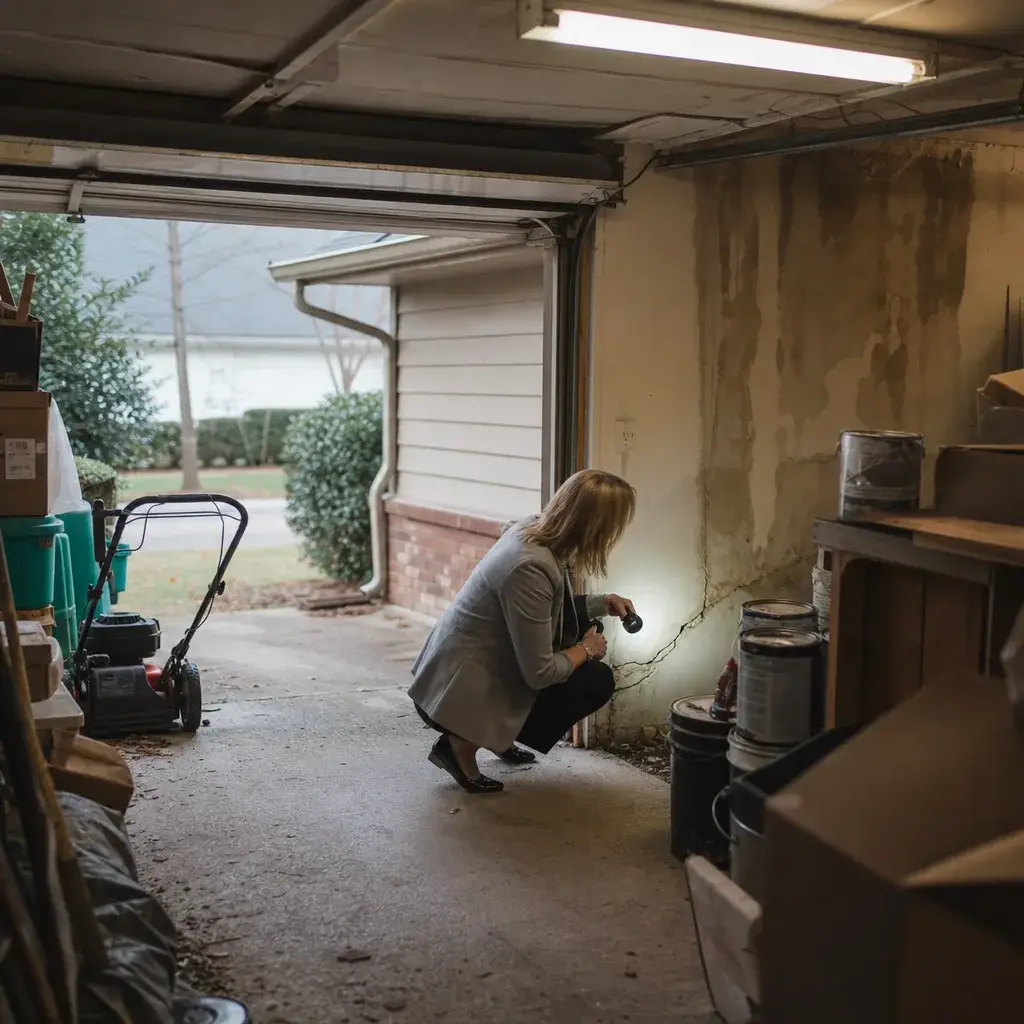
You also don’t have to fix anything first. We buy houses as-is, so there’s no repairs or cleaning to do before closing. That matters when you’re short on time and money. A leaky roof, a messy garage, or rooms full of stuff won’t slow things down. Jason has spent 30 years buying houses in Huntsville and Madison County, and his building and construction background helps him price a house in rough shape fairly and quickly.
Before you sign anything, we’ll go over what you’ll walk away with. Your cash offer is based on the home’s location, condition, size, comparable home sales, needed repairs, and estimated resale value. From there, a few things shape your final number:
- Your mortgage payoff, which is the full amount it takes to close out the loan
- Any past-due payments you’ve fallen behind on
- Fees the lender has added to the loan
- Any other liens, back taxes, or title issues on the property
We review and explain every one of those before the purchase agreement is signed, so nothing surprises you at the closing table. We pay all closing costs, and there’s no service charge to you.
Here’s the honest part. If you owe more on the house than it’s worth, a cash sale may not cover your full payoff. In that case, selling to us might not be the right fix, and we’ll tell you that plainly. You may want to talk with your lender or an attorney about other options. And if you can catch up on payments or work out a plan with your lender, keeping your home may be the better choice. Selling is one way out, not the only one.
But if you’ve decided you’re ready to move on, selling before the sale date lets you close this chapter on your terms. You pick the closing date that works, the loan gets paid, and you leave with whatever equity is left instead of losing it at auction.
What Happens to the Mortgage, Liens, and Back Taxes at Closing
At closing, the closing attorney takes the money from the sale and pays off every debt tied to your house before anything else happens. That includes your mortgage, any second loan, and any unpaid property taxes. Once those are paid, the house passes free and clear to Huntsville House Buyer AL LLC, and whatever money is left goes to you. You don’t have to call each lender or carry checks around town. The attorney handles the payments.
Here’s how it works, step by step:
- Title search. The attorney checks the county records for anything attached to your house. That can be a first mortgage, a home equity loan, a court judgment, or unpaid taxes.
- Payoff letters. The attorney asks each lender for a written payoff amount that’s good through a certain date. Interest and fees keep adding up every day, so this number is pulled close to closing.
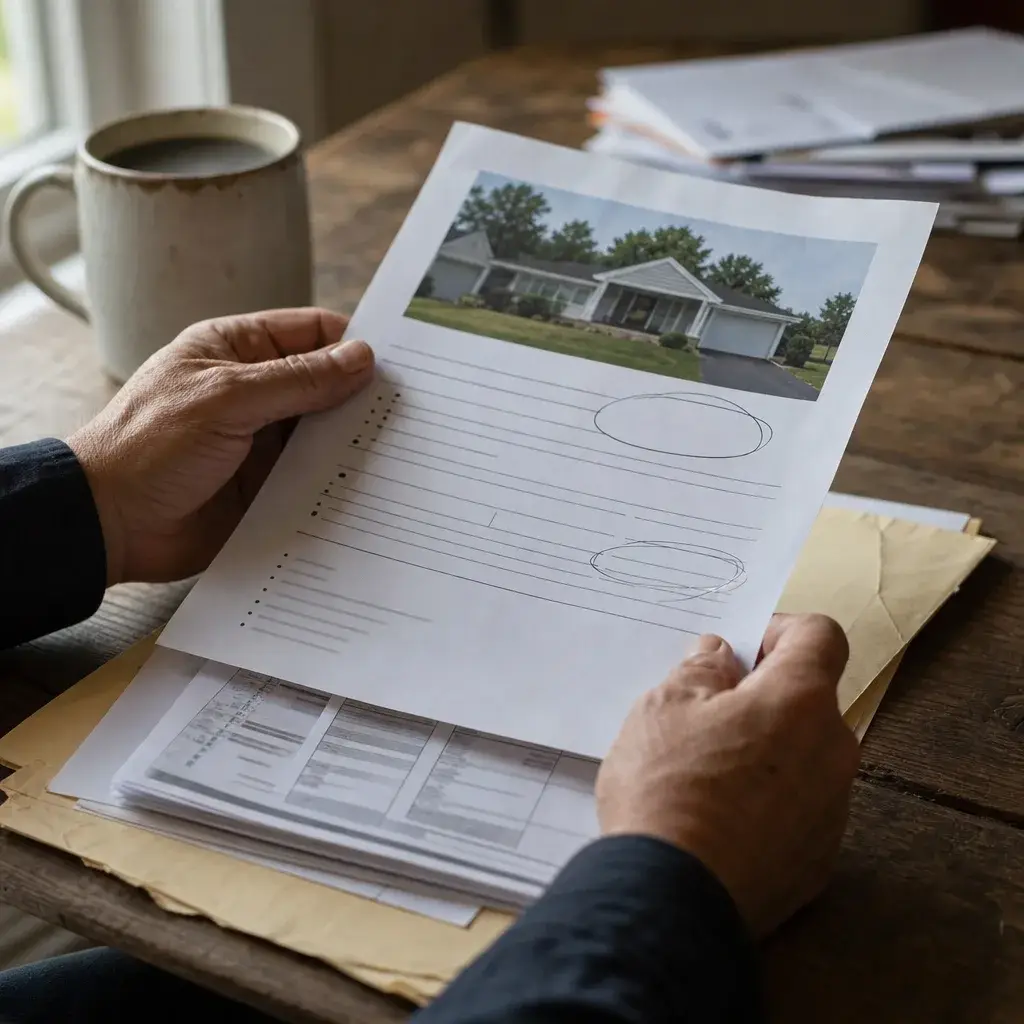
- Settlement statement. This is one sheet that shows the sale price, every payoff, and what’s left for you. You see it before you sign.
- Payouts. After everyone signs, the attorney sends each lender and tax office exactly what it’s owed.
- Releases. Each lender sends back a release showing the debt is paid, and it gets recorded. That’s what clears the debt from your name and the property.
Back taxes are handled the same way. If property taxes from past years are unpaid, they come out of the sale money at closing. Taxes for the current year are usually split by the closing date. You cover the part of the year you owned the house, and the buyer covers the rest. It’s all shown on the settlement statement, so you can see each line.
Sometimes the title search turns up something you forgot about. Maybe it’s an old judgment from a credit card lawsuit, or a home equity line you thought was closed. That can feel scary, but finding it early is a good thing. We’d rather catch it while there’s still time before your sale date than the day before closing. We go over these items with you before the purchase agreement is signed, so you know the plan for each one.
Problem properties can bring extra title questions. If your house is also inherited or has fire damage, it helps to know your options before you sell, since those situations can add steps like sorting out who has the right to sign.
You can make closing go faster by pulling a few papers together now:
- Your latest mortgage statement, plus any statement for a second loan
- Any letters from your lender about missed payments or the sale date
- Recent property tax notices
- Any court papers about debts tied to the house
Don’t worry if you can’t find everything. The attorney can request payoffs and records directly. Your papers just help us see the full picture sooner. We pay all closing costs, so the attorney’s work to pay off these debts doesn’t come out of your pocket.
How the Written Cash Offer Timeline Works
The 24-hour clock starts when we see your house, not when you first call us. That might sound like a small detail, but it matters. We can’t give you a fair number on a house we haven’t walked through. A price given over the phone is just a guess, and a guess can fall apart later, right when you can’t afford a surprise. Once Jason has seen the house in person, you get a written cash offer within 24 hours of our visit, backed by the guarantee covered above.
Here’s what the path looks like from your first call to the closing table:
- You call us. Tell us about the house and, most important, the foreclosure sale date on your lender’s letter.
- We set up a time to see the house. The visit is free, and there’s no obligation.
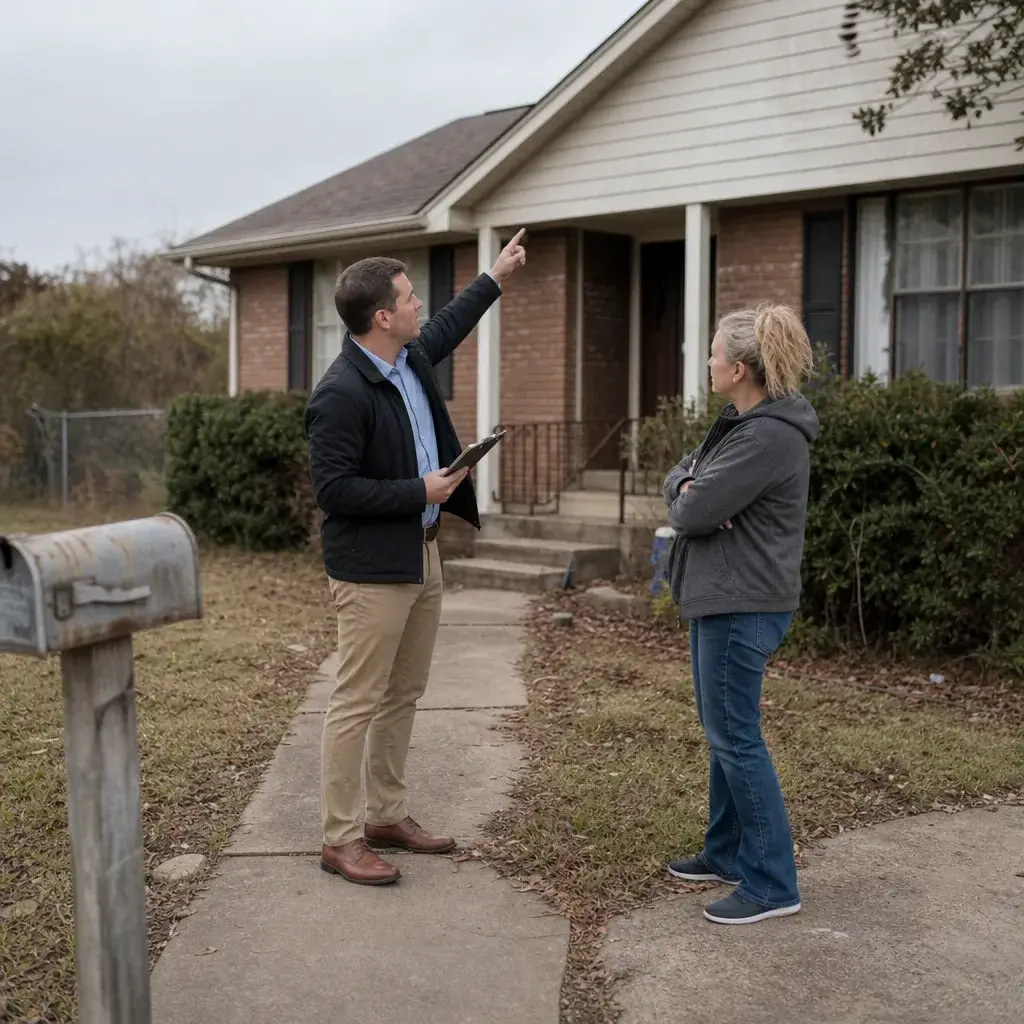
- Jason walks through the house with you. His 30 years of buying houses in Huntsville and Madison County, plus his building background, help him spot what repairs will really cost.
- You get a written cash offer within 24 hours of our visit.
- You decide. Take the time you need to read it, ask questions, and talk it over with family or anyone you trust.
- If you say yes, you sign a purchase agreement with Huntsville House Buyer AL LLC, and the closing attorney gets to work.
- You close on the date you picked, before your sale date.
Why does the offer need to be in writing? A written offer is something you can hold onto. You can show it to your lender, your attorney, or your kids. You can compare it against what you owe. A verbal number can’t do any of that. If you decide not to take it, that’s okay. You’re not on the hook for anything.
The part you control is how soon the clock starts. Every day between your first call and our visit is a day that’s gone from your timeline. The closing attorney still needs room to run the title search and pull payoff letters, so the earlier we see the house, the more breathing room everyone has. If your sale date is close, say so right away when you call. That date shapes everything we do next.
Picture a homeowner who’s been staring at a lender letter on the kitchen counter for two weeks. They’ve been putting off the call because it feels like admitting defeat. Then they finally pick up the phone, and they find out the first step is just a walk-through and a piece of paper with a real number on it. Nothing gets signed that day. Nothing gets decided for them. They just get the facts they need to make a choice while there’s still time to make it.
You don’t need to clean up or fix anything before we come out. Just be ready to show us around and share what you know about the house.

Why Property Condition Doesn't Disqualify a Pre-Foreclosure Sale
A house in bad shape can still be sold before your foreclosure sale date. Its condition changes the number on your offer. It doesn’t change whether we’ll buy it. That’s the whole point of selling to a cash buyer when time is short. We’re not waiting on a bank to approve the house, so a sagging roof or a gutted kitchen doesn’t stop the sale.
It makes sense that a lot of houses facing foreclosure need work. When money gets tight, repairs are often the first thing to slip. A small leak turns into a soft floor. A broken AC unit just stays broken. That isn’t a failure on your part. It’s what happens when every dollar goes to the most urgent bill. You don’t owe anyone an apology for the state of your house.
Rough condition can be a real problem with a traditional sale. Many buyers pay with a mortgage, and their lender usually wants the house to pass an inspection and appraisal first. Serious damage can stall that loan or kill it, and you may not find out until weeks have gone by. With a sale date on the calendar, you don’t have weeks to lose. We pay cash, so none of that stands between you and closing.
Our tagline is “We buy houses in any condition,” and we mean it. Here are some of the problem properties we buy:
- Fire-damaged houses, including ones that aren’t livable right now
- Hoarder houses, with every room still full
- Houses needing major repairs, like foundation, roof, or plumbing problems
- Houses with code violations you haven’t been able to fix
- Vacant houses that have been sitting empty and falling behind
- Inherited houses that came to you along with the missed payments
Each of these has its own page if you want more detail. For a pre-foreclosure sale, the key point is simple: none of them rules you out.
How do we price a house like that fairly? Jason started fixing up apartments at age 15 and went on to work in home building and construction before he spent 30 years buying houses in Huntsville and Madison County. He knows what it costs to fix fire damage, replace a roof, or pull permits for big repairs. That means your offer is based on what the work will really take, not a worst-case guess to cover our bases.
Here’s the honest side. If your house is in good shape and your sale date is still months away, listing with a local Realtor could put more money in your pocket. A move-in-ready house can sell well on the open market when there’s time to wait for the right buyer. We’re glad to work alongside Realtors, and we’d rather you pick the path that leaves you better off. A cash sale makes the most sense when the house needs work, the clock is short, or both.
When a Traditional Listing or Loan Help Beats a Cash Sale
A cash sale isn’t the best choice for everyone facing foreclosure. If your money trouble is short-term and you want to stay, help from your lender usually beats selling. If you have time and a house that shows well, a listing may leave you with more. If you owe more than the house is worth, a short sale may fit better than a sale to us. Here’s what each one looks like in real life.
Loan help makes the most sense when the problem that put you behind is over. Maybe you lost a job and you’re working again. Maybe a medical bill wiped out your savings and the bills are under control now. Your income is back, but you’re still a few payments behind. In that spot, selling could mean giving up a home you can afford again. Lenders have a few common ways to help:
- Reinstatement: you pay everything you’re behind on, plus the lender’s fees, in one lump sum, and the loan is current again.
- Repayment plan: you spread the past-due amount over several months on top of your normal payment.
- Loan modification: the lender changes the loan’s terms, like the rate or the length, so the monthly payment is easier to carry.
- Forbearance: the lender lowers or pauses payments for a set time while you get back on your feet.
Call your lender and ask for the team that handles hardship. Ask what you qualify for and how long it takes to get an answer. A nonprofit housing counselor can also walk you through the paperwork at no cost. Start soon. These requests take time, and they work best well before your sale date.
A listing makes sense when the math on time works out. Before you list, ask a local Realtor two questions. How long do homes like yours take to sell in your part of Huntsville? And how long does a buyer’s loan usually take to close after you accept an offer? Add those together and count back from your sale date. If there’s plenty of room left over, listing is worth a hard look. If the numbers are tight, a missed closing could cost you the house.
A short sale is for when the house is worth less than what you owe. Your lender agrees to take less than the full payoff so the house can sell. Many Realtors handle short sales, and they know how to package the paperwork lenders ask for. The catch is that the lender has to approve it, and that approval can be slow. Get started as early as you can.
If you’re not sure which path fits, ask yourself these questions:
- Can I afford my monthly payment going forward if the past-due amount is handled?
- Do I want to stay in this house, or am I ready to move on?
- Is the house in good enough shape to pass a buyer’s inspection and appraisal?
- How many weeks are left before my sale date?
If you answered yes to the first two, talk to your lender before anyone else. If the house shows well and you’ve got months, call a Realtor. Picking the path that leaves you in the best place matters more than who you end up working with.
Frequently Asked Questions
Yes, as long as the sale closes before the auction date. Once your mortgage is paid off at closing, the loan behind the foreclosure is gone, and there’s nothing left for the lender to collect on. The sooner you call, the more room there is to get everything done before that date.
Paying off your mortgage through a sale stops the foreclosure process before it finishes, which is different from letting the house go to auction. A completed foreclosure stays on your record as a foreclosure. Selling before the sale date closes out the loan instead, so talk with your lender or a housing counselor about how each path shows up on your credit.
Those listings are usually other investors or wholesalers marketing properties, not a replacement for working directly with your lender on your own house. If you’re facing a sale date, the fastest path is getting your house seen and priced directly, so you know your real numbers before anyone else gets involved.
No, the walk-through is free and comes with no obligation. Jason looks at the house in person, and you get a written cash offer within 24 hours of our visit so you can weigh it against staying, listing, or other options with your lender.
- We Buy Houses As-Is
- Locally Owned and Operated
- 30 Years Buying Houses in Madison County
- Fair Cash Offers, No Obligation
Related Help for Huntsville Homeowners
If this sounds like your situation, these pages can help: