
How to Sell an Inherited House in Huntsville Without Repairs or Family Fights
A fair cash offer within 24 hours of our visit, from a local buyer with 30 years of experience. We buy houses in any condition.
On this page
Selling an Inherited House As-Is Without Cleanout or Repairs
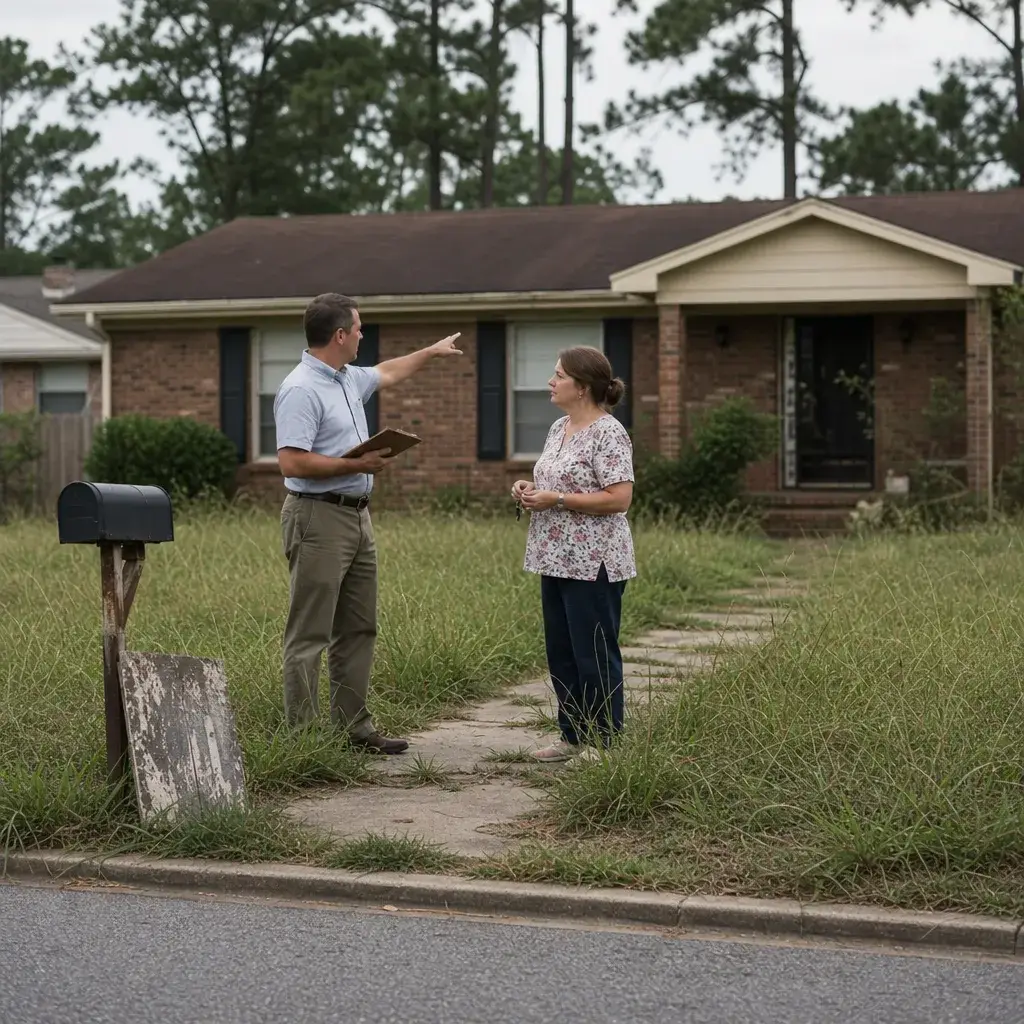
Walking into a parent’s or grandparent’s house after they’re gone is hard enough. Then you notice everything else. The closets are still full. The roof has a stain on the ceiling below it. The kitchen hasn’t been touched in decades. Lots of families think they have to fix all of that before they can sell. With us, you don’t.
We buy inherited houses as-is. That means no repairs and no cleaning are required before the sale. You don’t need to haul furniture, rent a dumpster, hire a painter, or get a contractor’s quote. The house can stay just the way you found it.
Before you do anything to the house, take care of the things only your family can do:
- Take photos, keepsakes, and anything with family meaning.
- Look for important papers like the will, deeds, tax bills, and insurance policies.
- Lock up the house and keep the utilities in mind so it stays secure while you decide.
- Hold off on paying for repairs or a cleanout until you’ve seen what the house is worth as it sits.
That last point matters. Money you spend fixing up an inherited house doesn’t always come back to you when you sell. Since our offer already assumes the work still needs doing, getting an as-is number first lets you compare real options instead of guessing.
Here’s how condition shows up in the price. Our cash offer depends on the property’s location, condition, size, comparable home sales, market demand, needed repairs, cleanup costs, and estimated resale value. Major structural, fire, water, or foundation damage may lower the offer. We’d rather tell you that plainly than surprise you later. A full house and an old roof don’t stop a sale. They’re just part of the math.
This is where Jason’s background helps you. He’s spent 30 years buying houses in Huntsville and Madison County, and his roots are in home building and construction. When he walks through an inherited house, he’s looking at it the way a builder would. He checks what’s cosmetic, what’s serious, and what it’ll really take to fix. That helps us make a fair offer on a house in any condition, whether it just needs paint or has fire damage or a hoarding problem.
After we see the house, you’ll get a written cash offer within 24 hours of our visit. The visit and the offer are free, with no obligation. If you’d like to talk it over with your siblings or the estate’s attorney first, that’s completely fine. If you accept, we pay all closing costs, a closing attorney handles the closing, and you can pick a closing date that works for your family. If there are any mortgages, liens, back taxes, or title issues on the house, we’ll review them and explain them to you before you sign anything.
You’ve already got enough on your plate. Fixing up a house you never asked to manage doesn’t have to be part of it.

Handling Mortgages, Liens, Back Taxes, and Title Issues on an Inherited House
You don’t have to pay off or untangle every debt on an inherited house before you call us. Most of these problems get handled as part of the sale, and the money owed usually comes out of the sale price at closing, not out of your pocket. What matters most is knowing what’s there, and that’s the part we walk through with you.
Maybe you found a stack of mail on the kitchen table. There’s a mortgage statement, a property tax notice, and a letter you don’t understand. It’s easy to think the house is stuck until all of that goes away. Usually it isn’t.
Here’s how each one tends to work when an inherited house sells:
- A mortgage: The loan doesn’t vanish when the owner passes away, but it doesn’t become your personal debt just because you inherited the house. When the house sells, the remaining balance is paid off from the sale, and what’s left goes to the estate or the heirs.
- Liens: A lien is a claim someone put on the house for money they’re owed. It might be from a contractor, a court judgment, or an unpaid bill. Liens are normally paid from the sale proceeds so the house can change hands clean.
- Back taxes: Unpaid property taxes stay with the house. Like a mortgage, they’re usually settled at closing. Don’t let them sit too long, though. Unpaid property taxes can lead to the county selling a tax lien on the house, which adds to what’s owed.
- Title issues: The most common one is simple. The house is still in your parent’s or grandparent’s name. Before anyone can sell, the estate or the heirs have to be able to legally sign the deed. That might mean going through probate or confirming who all the heirs are.
That last point trips up a lot of families. If three siblings inherited the house together, all three usually need to agree to sell. If one lives out of state or hasn’t been in touch for years, it can slow things down. That’s a question for your estate attorney, and it’s worth asking early.
We aren’t your lawyer, and we won’t pretend to be. What we can do is look at what’s attached to the house and tell you in plain words what it means for the sale. If the mortgage or the back taxes add up to more than the house is worth, you deserve to know that before you sign anything, not at the closing table.
Once you agree to sell, a closing attorney handles the closing. That includes making sure the mortgage, liens, and taxes are paid off the right way from the sale. We pay all closing costs, so those fees don’t come out of what the family receives.
If the house has more going on than paperwork, such as fire damage or years of stored belongings, it helps to see the bigger picture of your choices for inherited, fire-damaged, or problem properties before you decide how to sell.
A tax notice or an old mortgage can feel like a wall. In most cases, it’s just one more line in the numbers, and you don’t have to figure it out alone.

Selling During or Before Probate in Madison County
You don’t have to wait until probate is fully finished to start selling an inherited house. You can get a cash offer and plan the sale right away. The one thing you can’t skip is this: before closing, someone has to have the legal right to sign for the estate. In Madison County, that right usually comes from the Probate Court.
Lots of families put everything on hold the day they hear the word “probate.” Meanwhile, the house sits empty. The grass grows, the power bill keeps coming, and someone has to drive over and check on it. Waiting feels like the safe choice, but it often just means paying to keep up a house nobody lives in.
Here’s how the timing tends to work at each stage:
- Before probate is opened: You can call us, let us see the house, and get a written offer so you know what it’s worth as-is. That number can help your family and your attorney decide what to do. Just don’t sign a binding sale contract until your attorney confirms who has the authority to sign.
- After the court appoints someone: The court names a personal representative, sometimes called the executor. Once that person has their papers from the court, they can usually sign for the estate. Depending on the will and the court, a sale may also need the court’s approval. Your estate attorney will know which applies to you.
- When there may be no full probate: Some estates are small or set up in a way that makes the process simpler. Whether yours qualifies is a legal question, so ask your attorney before you assume either way.
We’re straight with people about this part. If no one has been given the legal right to sign yet, we can’t close, and you shouldn’t let anyone talk you into rushing that step. A sale signed by the wrong person can come undone later and cause your family real trouble. Getting the legal side right first protects everyone.
What a cash sale can do is fit around the court’s schedule instead of fighting it. Probate doesn’t always move on a timeline you can predict, and that’s where a flexible closing date helps. You pick a date that lines up with when the estate is ready to sign. A closing attorney handles the closing, and we pay all closing costs.
We also put our own timing in writing. You’ll get a written cash offer within 24 hours of our visit. If we miss that, we pay you $250. And if closing runs late because of us, we pay you $100 per day. Probate already has enough waiting in it. We don’t want to add any.
Jason has been buying houses in Huntsville and Madison County for 30 years, and we buy probate and inherited properties in any condition. Whether your family is still sorting out the will or the court has already named a personal representative, we can help you understand where the house stands and what your options look like.
Vacant Inherited Houses Through a Huntsville Summer
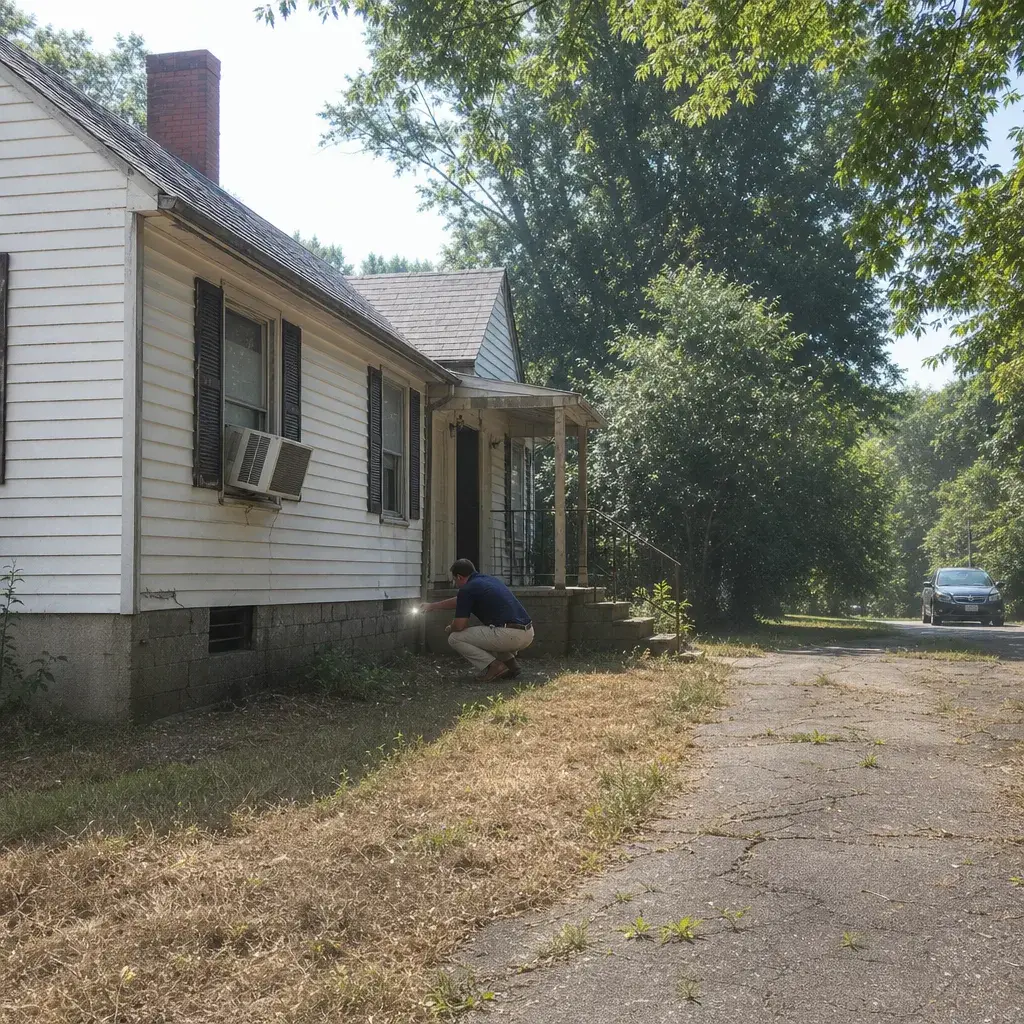
An empty house doesn’t just sit still in a Huntsville summer. The heat and humidity keep working on it even when nobody’s there. If your family’s inherited house is going to be vacant for a few months, it helps to know what can go wrong and what each month of waiting really costs.
Here’s the bind lots of heirs end up in. If you turn the air conditioning off to save money, the house holds onto moisture. Within weeks you might open the door to a musty smell, damp spots on the walls, or mold starting in a closet or bathroom. If you leave the AC running, you’re paying to cool a house nobody lives in. Either way, you’re spending money or risking damage.
Humidity isn’t the only problem. Summer storms can push water through an old roof or around a window, and in an empty house a small leak can run for weeks before anyone sees the stain. Bugs and rodents move in when the house is quiet. The yard grows fast, and tall grass is one of the first signs that tells people a house is empty. It can also lead to a notice from the city.
If you’re holding the house for now, these steps can help protect it:
- Set the thermostat to keep the air moving and the humidity down instead of shutting the AC off completely.
- Visit at least once a week, or ask a neighbor to. Check ceilings, under sinks, and around windows after big storms.
- Keep the grass cut and the mail picked up so the house looks lived in.
- Call the insurance company and tell them the house is vacant. Many homeowners policies limit coverage once a home sits empty for a while, so ask what yours requires.
- Clear out any food and empty the fridge so it doesn’t draw pests.
Those steps help, but they all take time, gas, and money. Add up the power bill, the insurance, the property taxes, the lawn care, and the drives across town, and holding an empty house through the summer can cost more than families expect. That’s why it’s worth knowing your as-is number early, so you can weigh what waiting costs against what the house is worth today.
If the house already took some damage while it sat, that doesn’t stop a sale. Musty rooms, a leak that went unnoticed, or an overgrown yard just become part of what we look at. Jason’s background in home building and construction helps him see what’s surface-level and what’s serious, so the offer reflects the real house, not a guess. If the city has already sent a notice, we also buy code violation properties.
You don’t have to make a decision today. But if checking on an empty house has turned into a second job, a quick look at your options might take some weight off.
Multiple Heirs Agreeing on One Sale
When a house goes to more than one person, the hardest part often isn’t the house. It’s getting everyone to agree. The fastest way through is to give every heir the same facts at the same time: what the house is worth as it sits, what’s owed on it, and what each month of waiting costs. Once the numbers are on the table, many disagreements get smaller.
Most family standoffs come from people working with different information. One brother remembers what the house was worth before the roof started leaking. A sister who lives far away hasn’t seen the water stain in the hall. Someone else is sure a fix-up will bring in a lot more. Nobody’s wrong to feel that way. They’re just guessing.
A written offer helps take the guessing out. After we see the house, you’ll get a written cash offer within 24 hours of our visit. It’s free, and there’s no obligation. Since it’s in writing, you can forward it to every heir, wherever they live, so the whole family is looking at the same number.
These steps can help a family reach one decision:
- Pick one person to be the main contact. That might be the personal representative or the sibling who lives closest. It keeps messages from getting crossed.
- Share the same papers with everyone, including the offer, the tax bill, the mortgage statement, and any repair estimates you’ve already gotten.
- Talk about what holding the house really costs each month, like power, insurance, taxes, and lawn care, and decide who’s paying it.
- Ask your closing attorney early how heirs who live out of town can sign, so distance doesn’t hold up the closing.
Sometimes the best answer isn’t selling to us at all. If one heir wants to live in the house and can buy out the others, that may be the better choice for your family. It keeps the home in the family, and nobody has to move anything out. If that’s where you’re headed, an estate attorney can help you set the price and handle the paperwork. We’d rather you choose what’s right for your family than sell a house someone truly wants to keep.
If one heir just won’t respond or won’t agree, don’t try to work around them. That’s a legal problem, not a sales problem, and your estate attorney is the right person to ask about your options. A sale that leaves someone out can cause real trouble later.
When the family does agree, a cash sale keeps it simple for everyone. The house sells as-is, so no one has to fight over who pays for repairs or who spends weekends cleaning. We pay all closing costs, a closing attorney handles the closing, and you can pick a date that works for the whole family. Jason has spent 30 years buying houses in Huntsville and Madison County, and he’s glad to explain the offer to anyone in the family who has questions.
You can’t make everyone agree. What you can do is make sure everyone is deciding from the same facts.
Frequently Asked Questions
You don’t need every heir to feel the same way before getting the facts in hand. Getting a written cash offer gives the whole family the same starting point, since you can forward it to anyone, wherever they live. If one heir refuses to respond or won’t agree, that becomes a legal matter, not a sales one, and your estate attorney is the right person to sort that out.
Yes, you can request a visit and get a written offer before probate is even opened. That number helps your family plan, but you can’t sign a binding sale contract until your attorney confirms who has the legal right to sign for the estate. Once the court appoints a personal representative, that person usually gains the authority to move forward.
Usually not, since money spent on repairs doesn’t always come back to you at sale. An as-is cash offer already accounts for needed repairs and cleanup costs, so you can compare that number against what fixing it up might cost you first. Get the as-is number before you spend a dime on paint, a dumpster, or a contractor.
A vacant house in Huntsville can pick up damage fast, especially in summer, from humidity, undetected leaks, or an overgrown yard that draws complaints. Each month of holding it also means paying power, insurance, taxes, and lawn care out of pocket. Knowing your as-is offer early lets you weigh that ongoing cost against selling sooner.
- We Buy Houses As-Is
- Locally Owned and Operated
- 30 Years Buying Houses in Madison County
- Fair Cash Offers, No Obligation
Related Help for Huntsville Homeowners
If this sounds like your situation, these pages can help: